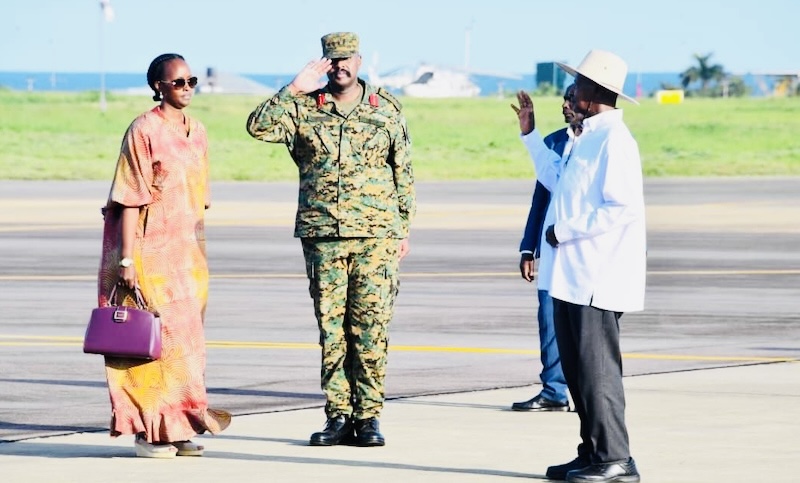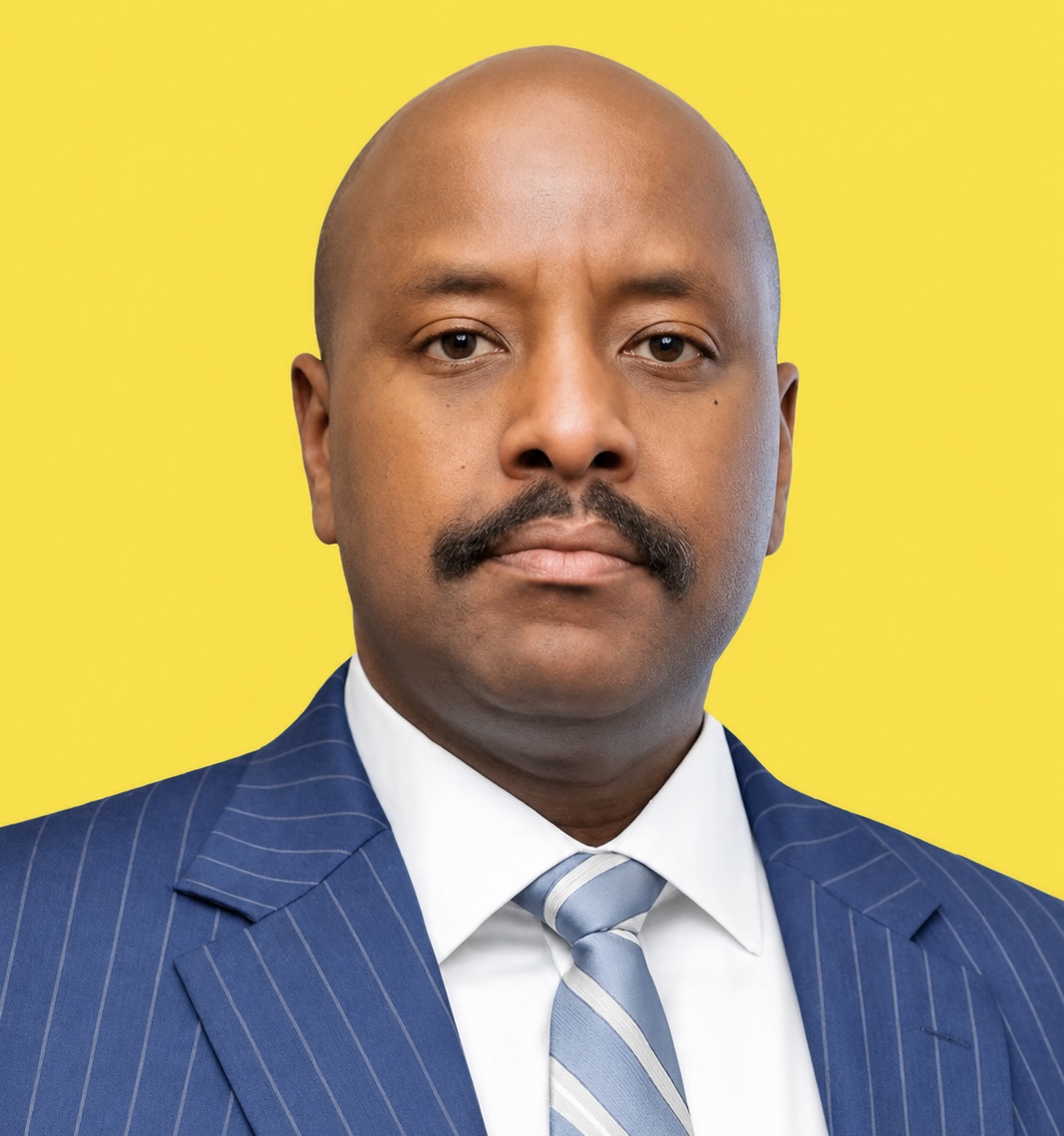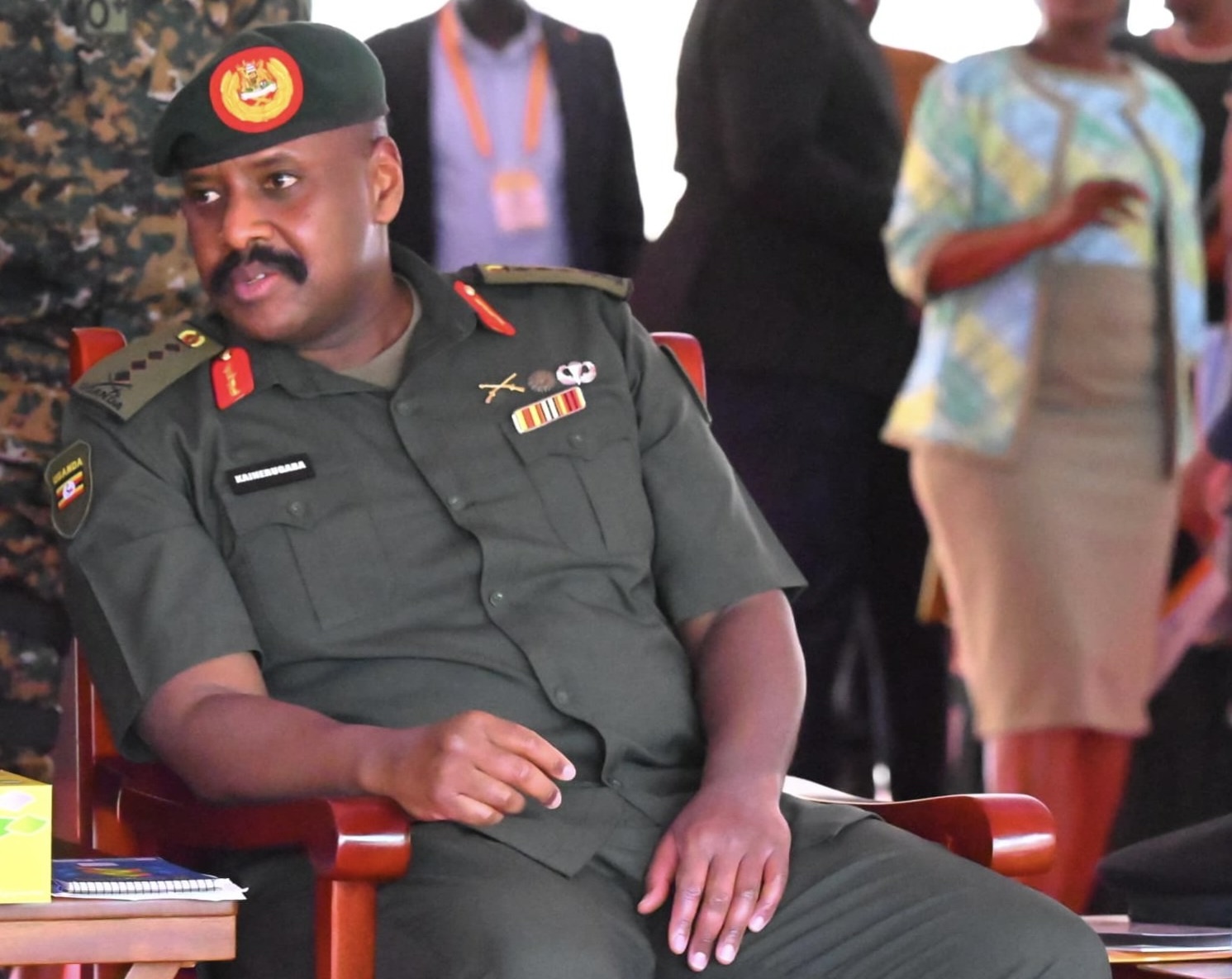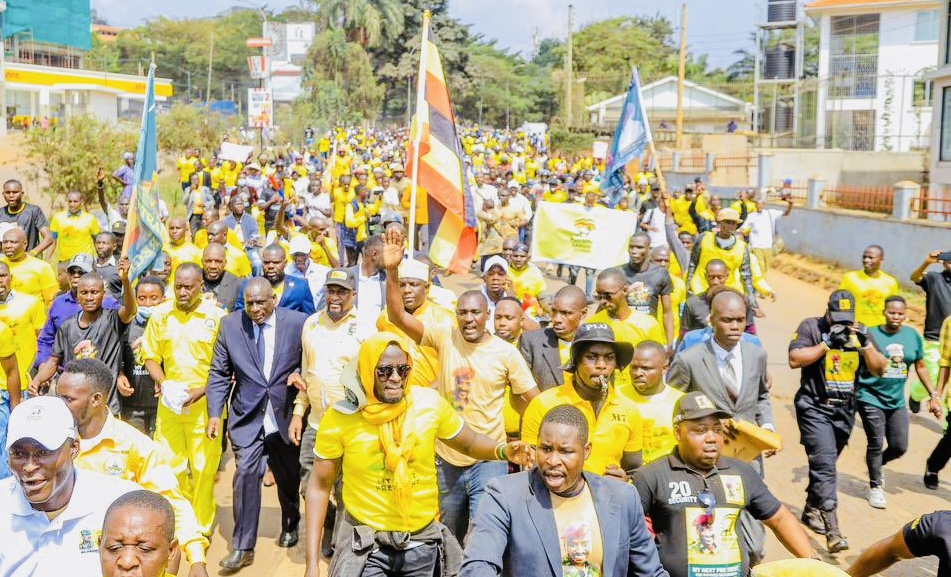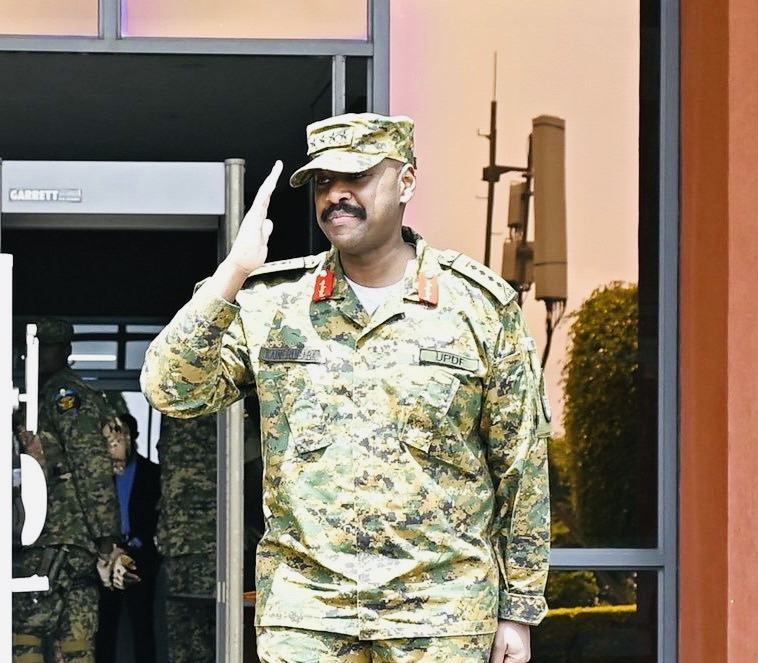

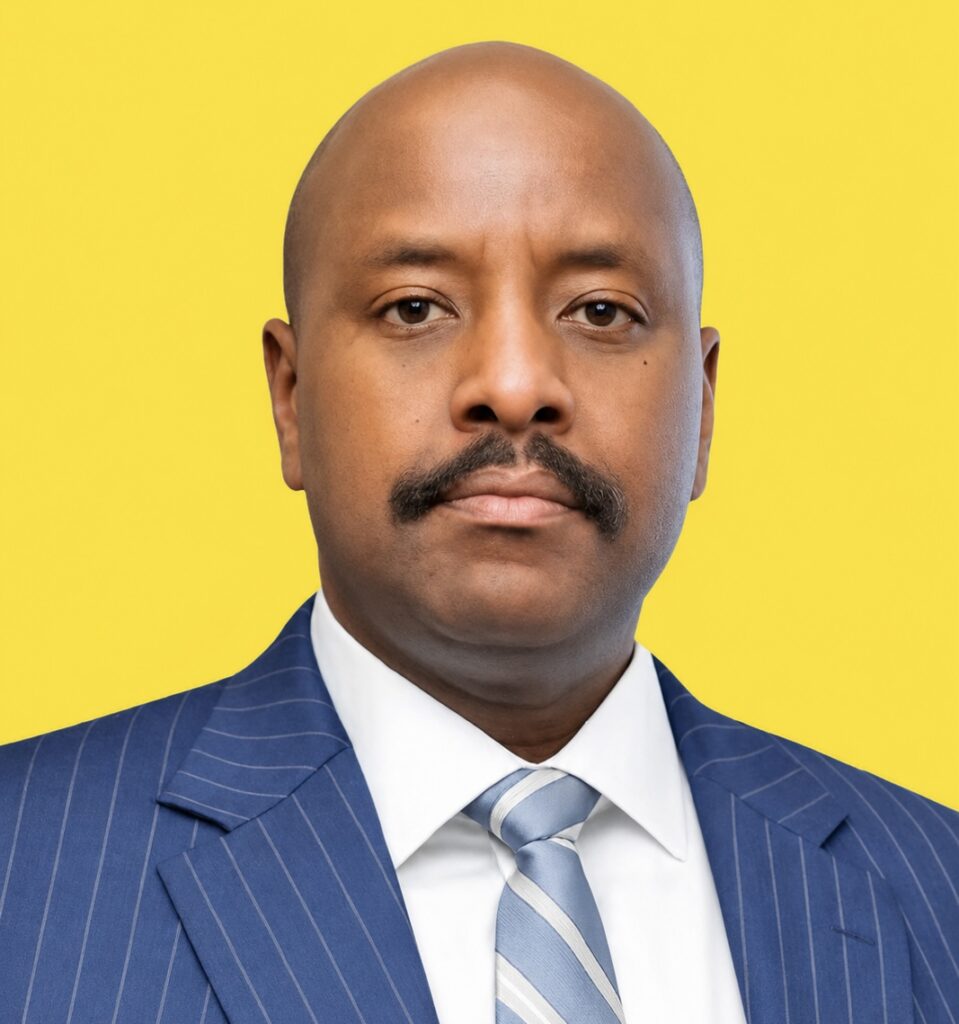
Based on the most recent statements by Gen. Muhoozi Kainerugaba, the Chief of Defence Forces (CDF) and Chairman of Patriotic League of Uganda (PLU), has pointed out the reality behind the country’s new governance, its political vision and the possible shape of structures should the “League” eventually ascend to the presidency.
The remarks, which touched on opposition politics, Parliament, media freedom, national security, and regional diplomacy, provide perhaps the clearest glimpse yet into the ideological direction of this powerful movement already undergoing ‘institutionalization’.
It also offered important clues about what a future PLU-led administration could prioritize, while also raising constitutional and democratic narratives.
The Rise of the “Rectification Campaign”
One of the most intriguing declarations came when Gen. Muhoozi described the arrest of Kampala Lord Mayor Erias Lukwago as “just the beginning of the Rectification Campaign,” adding that “many more traitors are going to be arrested” and that Uganda would be “purified.”
The language suggests a government model focused heavily on political discipline, national loyalty, and security-centered governance.
Observers note that such terminology resembles historical political campaigns in various countries where governments sought to eliminate what they viewed as anti-state elements.
Supporters of PLU argue that the campaign would be aimed at combating corruption, sabotage, and political instability. Others, however, warn that broad definitions of “traitors” could create tensions with constitutional protections regarding political freedoms and due process.
Should such an approach be implemented under a future administration, Uganda could witness stronger security oversight over political activity and public institutions.
A One-Movement Political Vision
Perhaps the most striking political proposal was Gen. Muhoozi’s call for opposition parties to join PLU so that the movement could “capture Parliament.”
He further declared that he wanted the position of Leader of the Opposition (LOP) to be held by PLU and authorised Kasambya County MP Hon.David Kabanda to lead efforts toward that objective.
The remarks have sparked eyebrows because the office of Leader of the Opposition is constitutionally associated with the largest opposition party in Parliament.
Political observers say the proposal suggests a future political order where ideological competition may give way to a broad national movement centred around PLU.
Some analysts compare the vision to dominant-party systems that have existed in several African and Asian countries, where opposition parties formally exist but political power is concentrated within one major movement.
If implemented, such a model could significantly alter Uganda’s traditional multiparty landscape.
Presidential Authority and State Appointments
Gen. Muhoozi also suggested that he could appoint a Leader of the Opposition with presidential approval, arguing that nothing in Uganda’s laws prevented such action.
When consulted, the Constitutional experts disagree with that interpretation, noting that the office of Leader of the Opposition is determined by parliamentary composition rather than presidential appointment.
However, the remarks indicate a governance philosophy that favours stronger executive influence over political institutions.
Political scientists argue that a future Gen.Muhoozi’s administration could seek constitutional reforms aimed at strengthening executive authority, particularly in areas involving national security, governance oversight, and political coordination.

The Future of Media Freedom
Another major theme emerging from the statements concerns the media.
Gen. Muhoozi accused major media houses of benefiting from previous political conflicts and suggested that organisations such as NTV and Daily Monitor could face closure.
Such comments have attracted attention because media freedom is protected under Uganda’s Constitution.
If translated into policy, analysts suggest a future administration could pursue stricter media regulations, increased oversight of news organisations, and greater emphasis on what government officials may describe as responsible journalism.
But, supporters view such measures as necessary to combat misinformation and foreign influence, while others fear potential restrictions on independent reporting and press freedom.
The debate is likely to become a key issue in future electoral contests.
Religion, Culture and National Identity
Gen. Muhoozi’s references to capturing Parliament “for Jesus Christ” and invoking the “holy blood of the Bachwezi” reveal an unusual combination of Christian symbolism and traditional historical identity.
Political historians note that such messaging seeks to blend nationalism, spirituality, and cultural heritage into a broader political narrative.
A future PLU government may therefore place greater emphasis on patriotism, cultural revival, traditional values, and faith-based national identity.
Such an approach could resonate with large sections of Uganda’s predominantly Christian population while simultaneously appealing to those seeking stronger cultural roots in governance.
Regional Diplomacy and Strategic Alliances
In discussing a future presidency, Gen. Muhoozi indicated that he would work closely with regional leaders including President Paul Kagame of Rwanda and President Félix Tshisekedi of the Democratic Republic of Congo.
The remarks suggest continuity in Uganda’s growing regional security and economic partnerships.
Foreign policy experts believe a ‘Muhoozi presidency’ would likely prioritise regional integration, security cooperation, cross-border trade, and strategic infrastructure development across the Great Lakes region.
The emphasis would likely remain on military diplomacy, an area in which Gen. Muhoozi has already played a visible role.
A New Political Brand
PLU supporters increasingly portray the movement as a transformational force capable of reshaping Uganda’s future.
The slogan “Make Uganda Great Again,” echoed by MP Hon. David Kabanda, reflects an effort to position PLU as a nationalist reform movement promising economic renewal, institutional restructuring, and generational leadership change.
Political observers note that the movement’s messaging increasingly appeals to younger Ugandans, security establishment supporters, and those seeking continuity beyond President Yoweri Kaguta Museveni’s era.
Conclusion
While Gen. Muhoozi remains Uganda’s Chief of Defence Forces and has not formally declared a presidential bid, his recent comments provide valuable insight into the political philosophy emerging around PLU.
If these positions evolve into official policy, Uganda could witness a government characterised by stronger executive authority, enhanced security influence in governance, tighter regulation of political opposition and media, increased emphasis on nationalism and cultural identity, and a more assertive regional foreign policy.
Whether such a model would strengthen national unity or generate new debates about democratic governance remains one of the central political questions facing Uganda’s future.
For now, the remarks offer the clearest indication yet of how supporters envision a post-Museveni political era, one in which PLU seeks not merely to participate in government, but to redefine the architecture of power itself.