
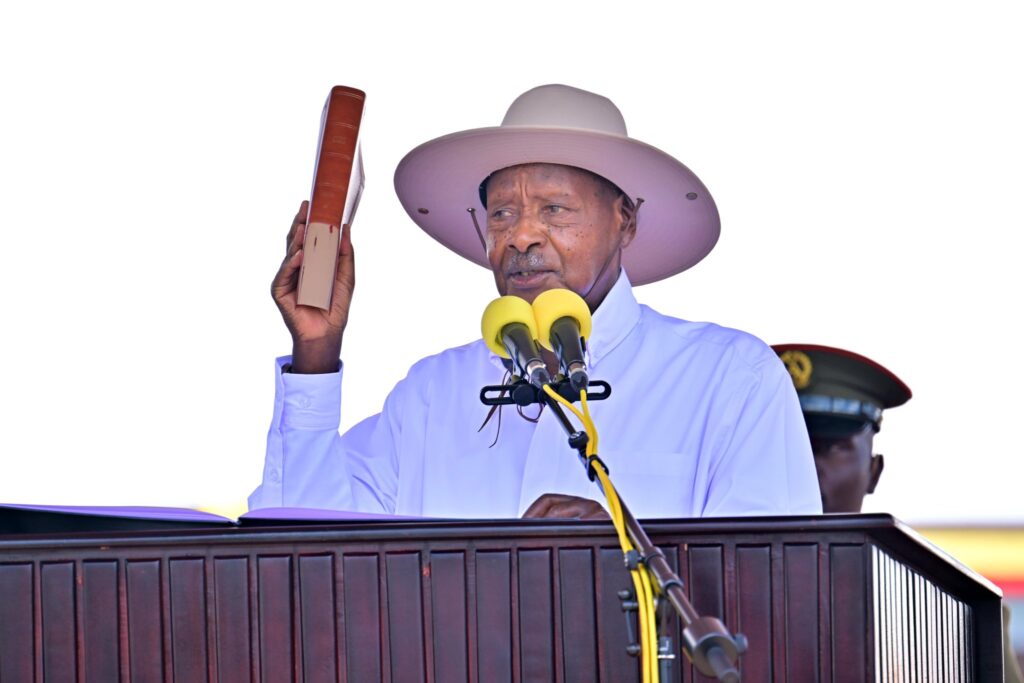
The swearing-in of Uganda’s new government yesterday marked more than the beginning of another administration. It signaled the opening of what could become one of the most politically disciplined, ideologically assertive, and economically sensitive phases in Uganda’s recent history. At the center of this transition stands President Yoweri Kaguta Museveni with a blunt declaration that has already become the defining slogan of the new Kisanja: “No more sleep, no more corruption.”
The message was direct. Uganda’s leadership no longer wants to project the image of a government moving at a slow bureaucratic pace while corruption drains public confidence and national resources. Instead, the tone being communicated is one of urgency, discipline, loyalty, and economic redirection toward ordinary Ugandans.
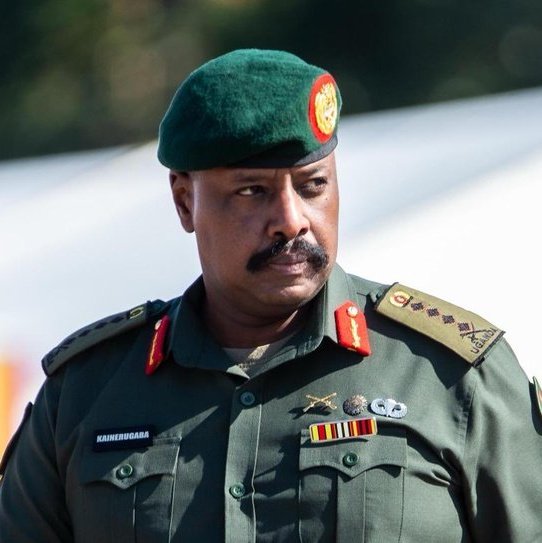
At the same time, the growing influence of the Patriotic League of Uganda (PLU), under the leadership of General Muhoozi Kainerugaba, is reshaping the conversation around governance, parliament, and social priorities.
A Government Under Pressure to Deliver
President Museveni’s statement comes at a time when Ugandans are increasingly demanding visible results from government institutions. Youth unemployment, rising urban poverty, corruption scandals, poor housing conditions, and public frustration over service delivery have created pressure for a government that not only speaks strongly but acts decisively.
By declaring “No more sleep,” Museveni appears to be warning public officials that complacency will no longer be tolerated. The phrase reflects a leadership style focused on vigilance, productivity, and political survival. It is also a recognition that Uganda is entering a highly competitive and politically sensitive era where citizens are watching government performance more closely than ever before.
The second half of the statement “No more corruption” may prove even more significant. Corruption has long been one of the biggest criticisms facing public institutions in Uganda. Billions of shillings intended for healthcare, infrastructure, education, and poverty alleviation have repeatedly been lost through mismanagement and abuse of office.
If the new government intends to make corruption a central battlefront, then the challenge ahead will not merely be speeches, but enforcement. Ugandans will judge this Kisanja not by declarations, but by arrests, accountability, recovery of stolen funds, and visible reforms in public spending.
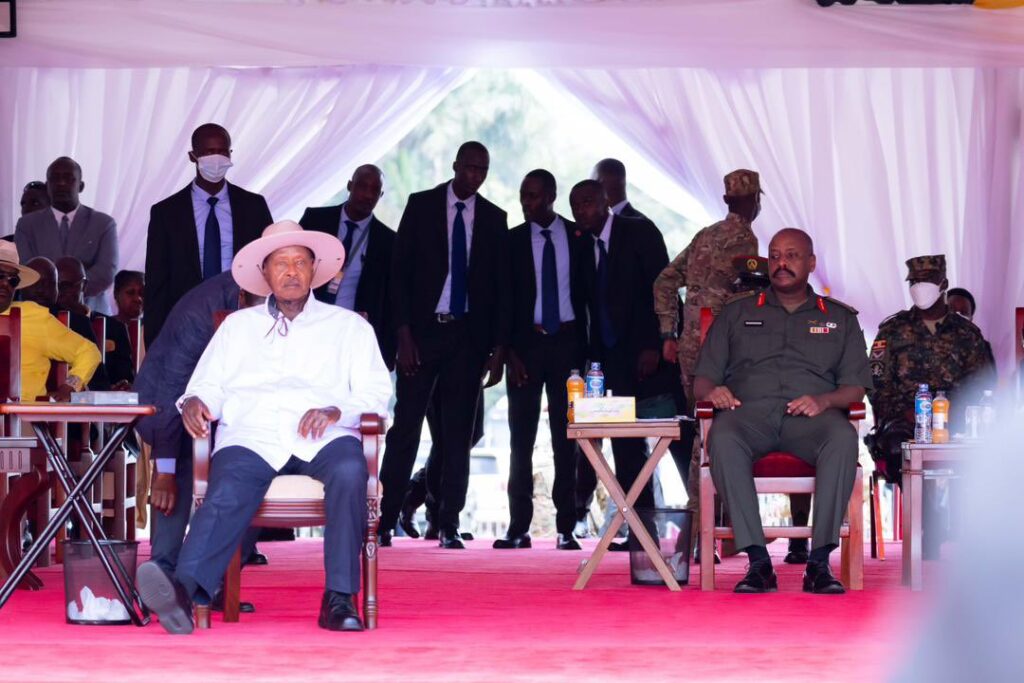
The Rise of PLU’s Economic Reform
Perhaps the strongest political undercurrent emerging from the recent statements is the ideological direction being advanced by PLU and Gen. Muhoozi Kainerugaba.
One of the most striking declarations was PLU’s call for the reduction of money sent to Parliament and the redirection of resources toward ordinary citizens living in poor conditions. The statement touches a nerve within Ugandan society. Many citizens have increasingly questioned the growing cost of politics while millions continue to struggle with poor housing, lack of electricity, inadequate healthcare, and limited access to clean water.
By saying:
“We believe in redirecting that money to the millions of Ugandans living in shacks, with no water or power,”
PLU is positioning itself as a movement attempting to align political spending with social welfare priorities.
This messaging is politically powerful because it taps directly into everyday realities. Across many parts of Uganda, especially urban informal settlements and rural communities, families continue to live in vulnerable housing structures despite years of economic growth narratives.
The slogan:
“Good Housing for all”
or
“Bonna bayina okubeera n’amayumba amarungi”
may become one of the most socially resonant political themes of this new era.
Housing is more than shelter. It represents dignity, security, stability, and economic inclusion. A government that seriously prioritizes affordable housing, electricity access, clean water, and organized urban development could fundamentally transform public perception.
Loyalty, Command, and Political Discipline
Another important aspect emerging from PLU’s statements is the emphasis on centralized political loyalty and discipline.
PLU openly declared that it supports whatever position President Museveni takes and “does not listen to NRM’s CEC.” This statement reveals a shifting power dynamic within Uganda’s broader political ecosystem. It suggests that PLU increasingly views itself not merely as a pressure group but as a direct ideological and political force aligned personally with President Museveni and Gen. Muhoozi Kainerugaba.
The repeated insistence that PLU members follow the “command, instructions and guidance” of Gen. Muhoozi Kainerugaba reflects a structure emphasizing discipline, hierarchy, and coordinated political action.
This was further demonstrated in the sudden retraction of support for Rt. Hon. Anita Among and Rt. Hon. Thomas Tayebwa in the Speaker and Deputy Speaker race, replacing it with a directive that PLU MPs should support whichever candidates are endorsed by the President.
The message was unmistakable: ultimate political authority remains centered around the Presidency.
The Expanding PLU Network
The announcement by Hon. David Kabanda assigning Patriotic Officer numbers to various public figures and diaspora representatives also signals something deeper than ceremonial recognition.
The inclusion of religious leaders, politicians, media personalities, and international chapter representatives from Canada, the UK, USA, Türkiye, South Africa, and the UAE indicates that PLU is rapidly building an organized transnational structure with ideological coordination beyond Uganda’s borders.
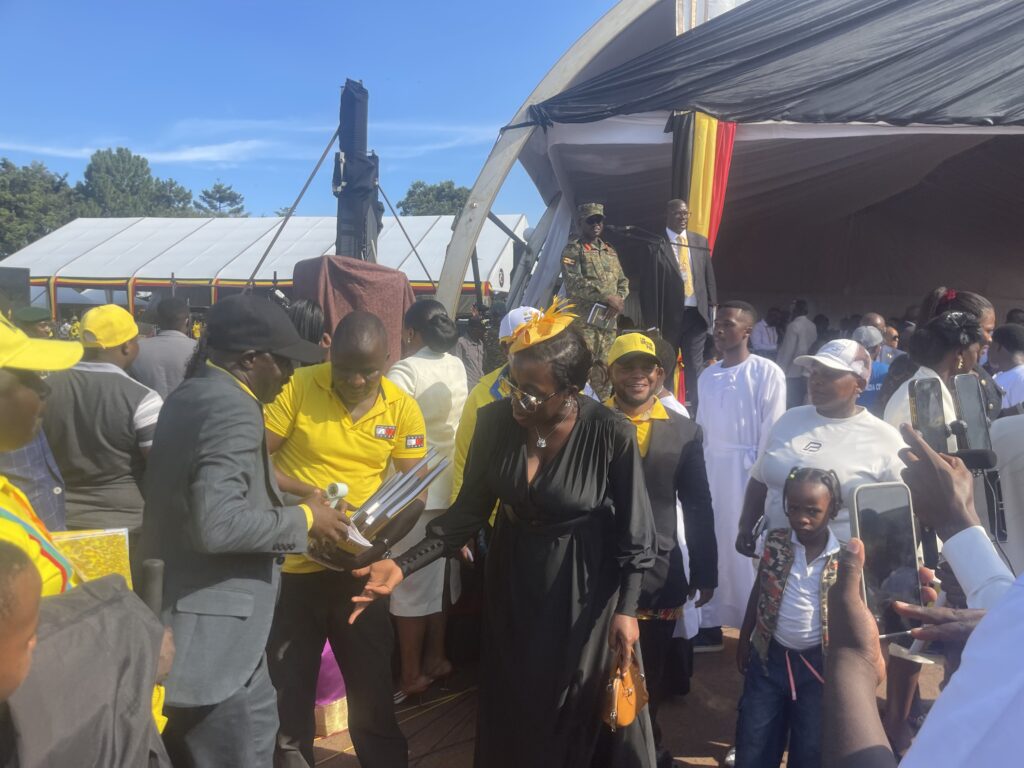
This expansion reflects growing ambition. PLU appears to be evolving into a movement focused not only on political mobilization but also on shaping national identity, patriotism, governance philosophy, and succession-era influence.
The assignment of Patriotic Officer numbers may appear symbolic, but politically, symbols matter. They create belonging, loyalty, identity, and institutional culture.
The Real Test Begins Now
The language surrounding the new government is bold, emotional, and highly disciplined. But the real test will be implementation.
Ugandans will want to see whether:
- corruption networks are truly dismantled,
- public money reaches citizens,
- housing programs become practical realities,
- youth unemployment is reduced,
- service delivery improves,
- and political discipline translates into national transformation rather than fear or exclusion.
History shows that revolutionary slogans can inspire nations but only consistent action can sustain public trust.
President Museveni’s “No more sleep, no more corruption” statement may ultimately become either a defining reform doctrine or another political slogan measured against unmet expectations.
For now, however, one thing is certain: Uganda’s new political season has begun with a message of urgency, centralized direction, and renewed ideological mobilization. The government has declared that this Kisanja is not for comfort, internal divisions, or complacency.
It is presenting itself as a period of action.