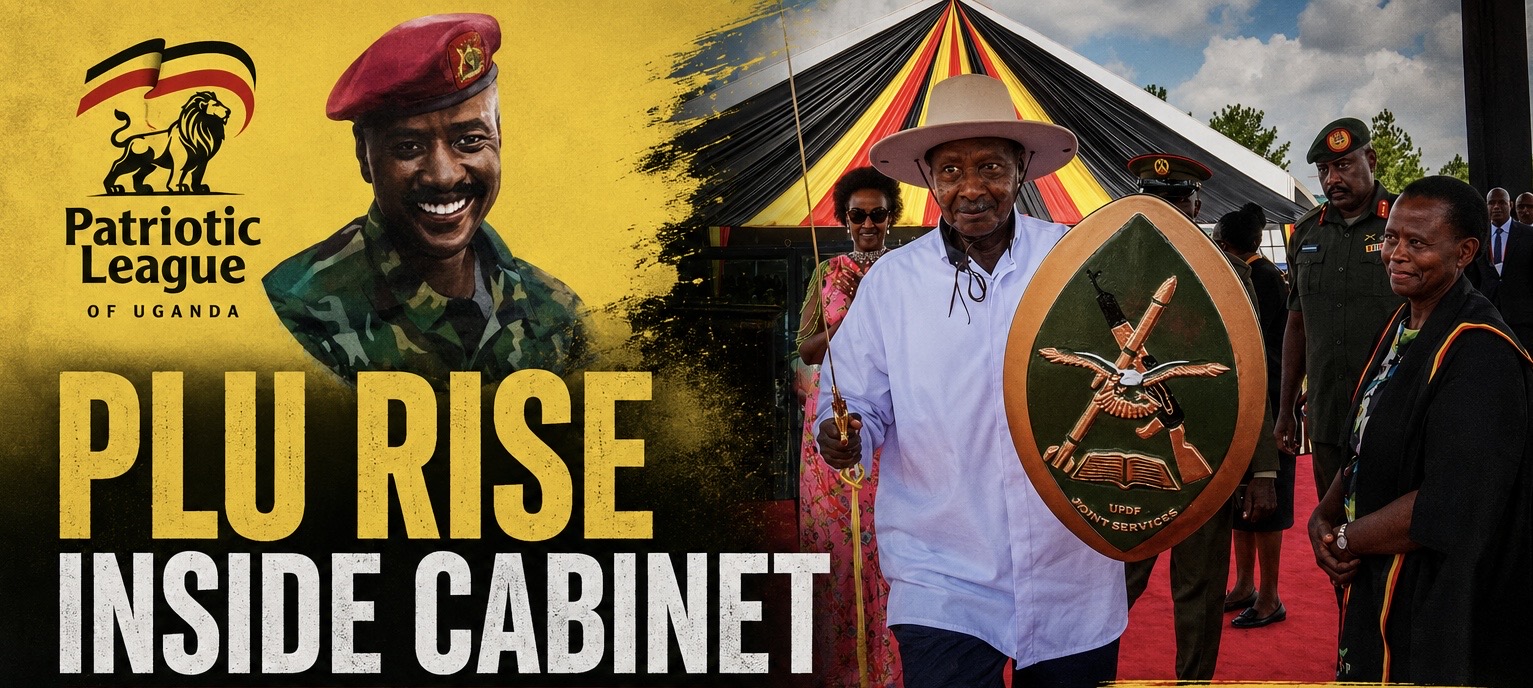

The rapid evolution of the Patriotic League of Uganda is increasingly revealing what appears to be one of the most carefully managed peaceful power transfers in Uganda’s modern history. What initially emerged as a patriotic mobilisation platform championing nationalism, youth engagement and support for state institutions is steadily transforming into a disciplined ‘patriotic force’ with growing influence across government, security structures and public discourse.
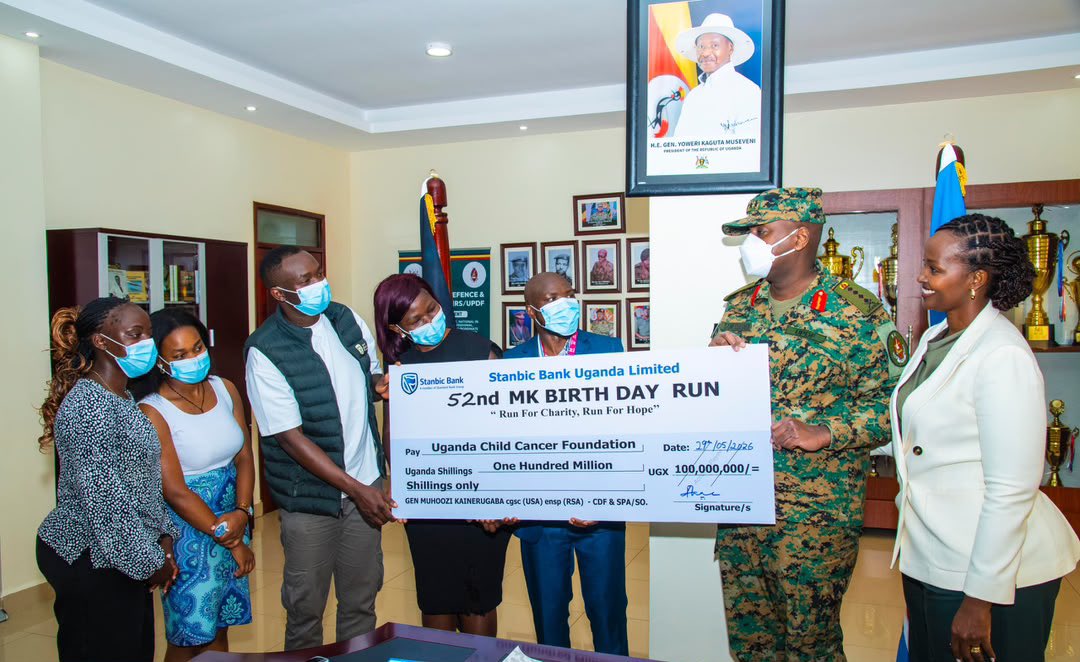
At the centre of this transformation is General Muhoozi Kainerugaba, whose messaging, organisational direction and ideological framing now extend far beyond ordinary activism. It’s clear ‘PLU’ is no longer behaving like a temporary civic pressure group. Instead, the movement increasingly reflects characteristics of a long-term political succession structure being gradually normalised within Uganda’s existing power system.
The most revealing development has been the gradual repositioning of PLU from a support movement into what insiders increasingly describe as a future political machinery. While the organisation publicly maintains loyalty to President Yoweri Kaguta Museveni and the ruling National Resistance Movement, its internal language, mobilisation methods and ideological posture suggest preparations for a future beyond the current political order.
For years, Uganda’s transition debate has largely revolved around speculation, informal alliances and elite calculations within the ruling establishment. However, PLU appears to be introducing a more organised and systematic model of political continuity. Unlike previous political factions inside the NRM, PLU is building simultaneously across several strategic fronts: youth mobilisation, digital influence, nationalist messaging, military symbolism and anti-corruption populism.
The movement’s internal positioning increasingly portrays it as a corrective force within government rather than an opposition platform against it. This distinction is politically important. Instead of directly confronting the state, PLU appears to be embedding itself within the existing power structure while gradually creating an independent identity capable of surviving beyond the current generation of liberation-era leadership.
One of the clearest indicators of this strategy is PLU’s repeated rejection of traditional patronage politics. The movement consistently projects itself as ideologically driven rather than motivated by jobs, ministerial appointments or parliamentary positions. This messaging is carefully designed to separate PLU from the image of conventional political elites often associated with corruption, opportunism and state dependency.
Records show that this approach is especially targeted at Uganda’s young population, many of whom feel disconnected from traditional political structures. By presenting itself as a “mission” rather than a career path, PLU is cultivating emotional and ideological loyalty among sections of the youth while positioning itself as a reform-oriented alternative inside the ruling system.
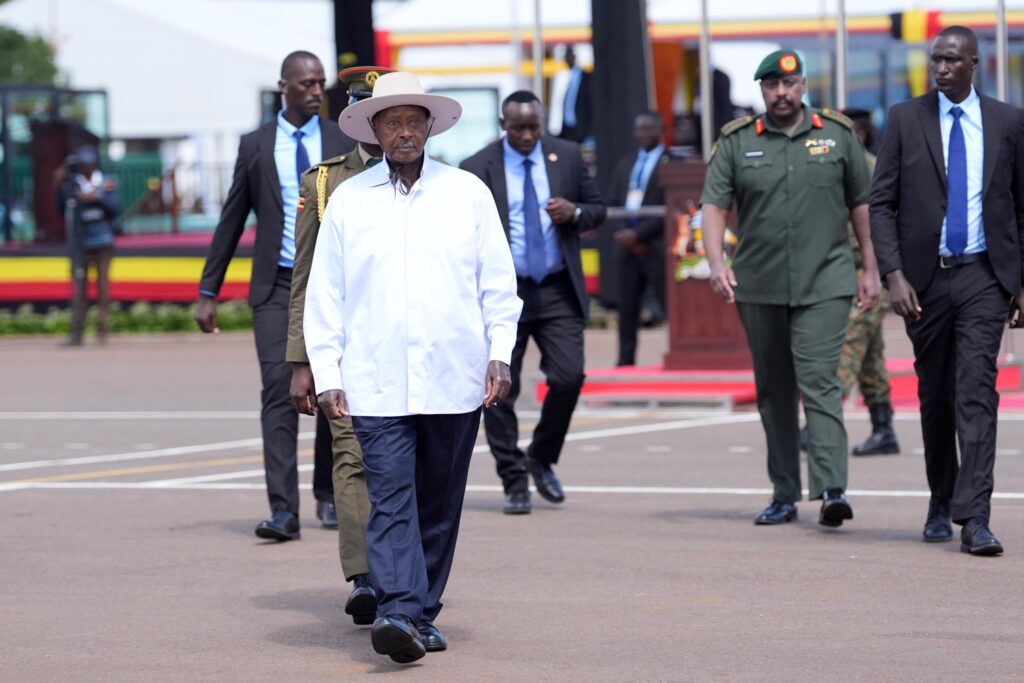
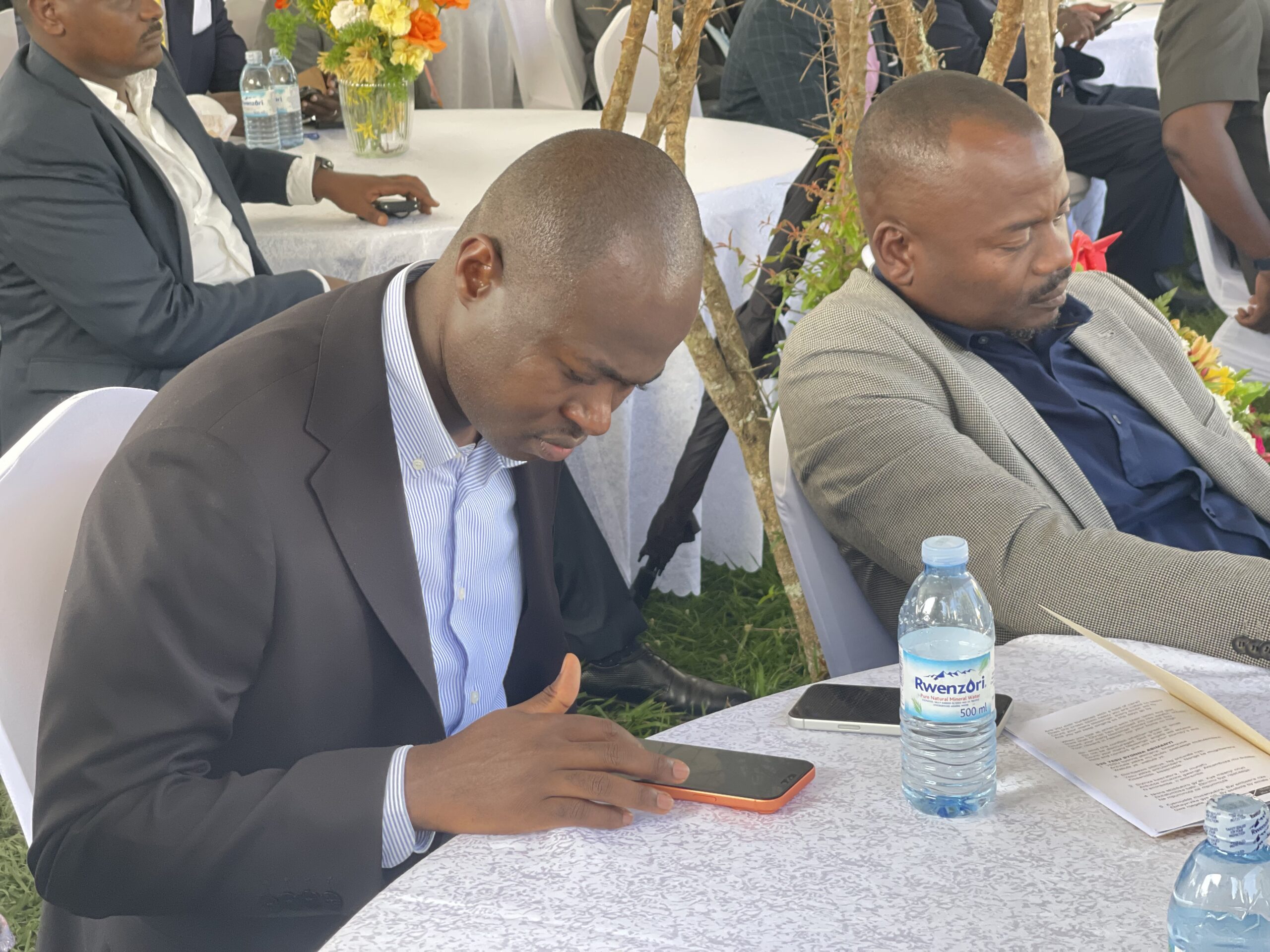
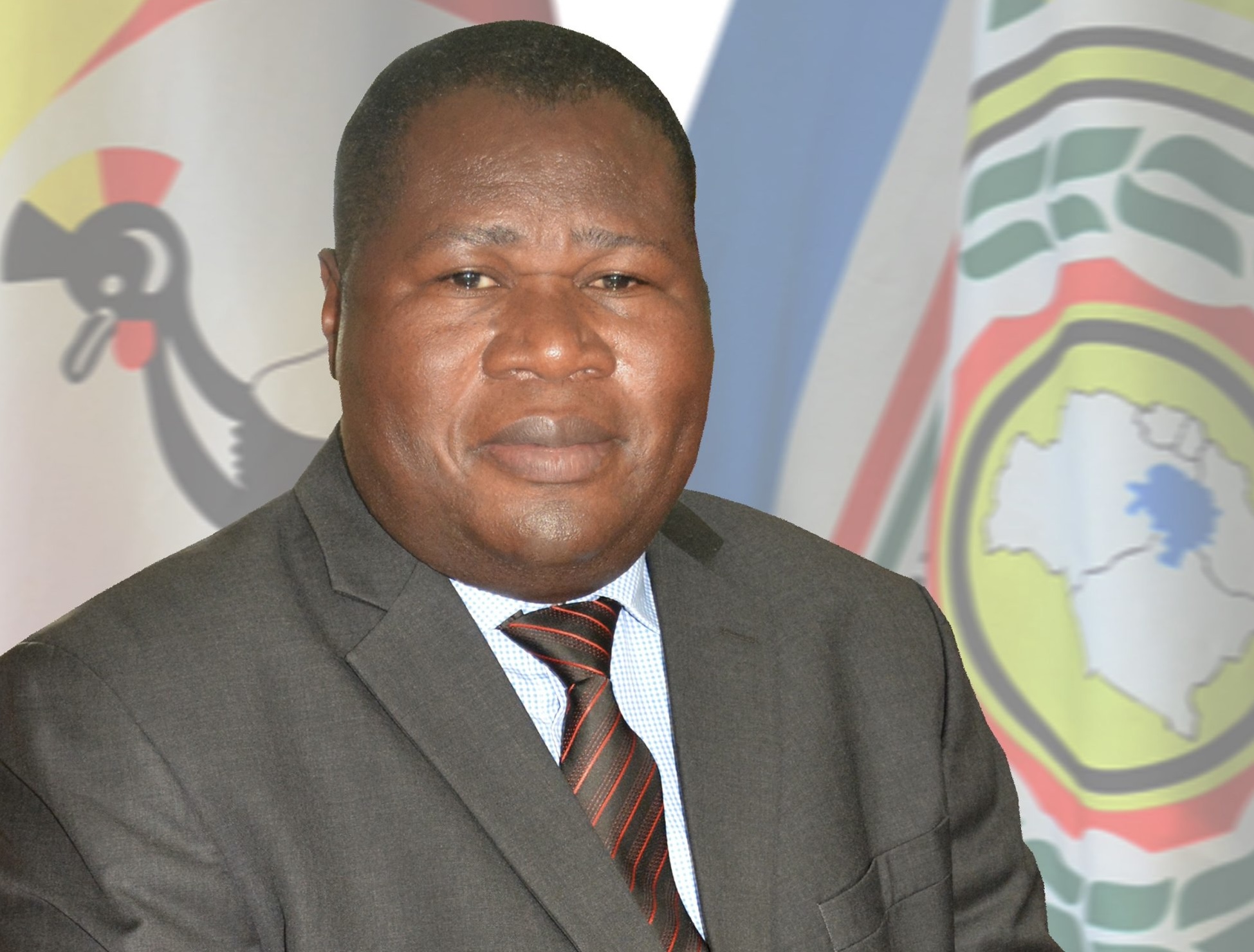
The growing prominence of Hon. David Kabanda within the movement also reveals where PLU believes future political power will come from. Rather than prioritising formal government offices, the movement appears focused on controlling mobilisation networks, communication structures and grassroots influence among young Ugandans. This reflects a broader understanding that Uganda’s next political era may be shaped less by Parliament and more by organised political movements capable of commanding public loyalty outside traditional state institutions.
Another major component of the PLU value is the anti-corruption narrative that has increasingly surrounded the movement. Through campaigns framed around fighting inefficiency and excesses within government, PLU has attempted to present itself as morally distinct from the weaknesses associated with sections of the ruling establishment. Politically, this is highly strategic. It allows the movement to benefit from public frustration over corruption while avoiding direct confrontation with State House.
More significantly, the anti-corruption posture creates the image of a generational reform movement preparing to “clean up” the system without dismantling it. This is a powerful political formula because it reassures conservative state actors while simultaneously attracting frustrated young supporters seeking change.
On the other hand, PLU’s political architecture heavily relies on security-linked legitimacy. The movement consistently projects military discipline, nationalism and unity across ethnic and regional lines. This messaging appears designed to address long-standing fears surrounding succession politics in Uganda, where questions of military loyalty, ethnicity and regional balance remain deeply sensitive.
By emphasising national identity over ethnic affiliation, PLU is carefully constructing the image of a future leadership project capable of maintaining stability across different regions of the country. The celebration of soldiers from northern and historically marginalised communities appears intended to expand cross-regional legitimacy while countering narratives that any future transition would favour only a narrow political or ethnic bloc.
The movement’s increasing use of organised demonstrations, command-style directives and internal disciplinary culture also reveals a significant shift in operational structure. PLU is gradually adopting characteristics commonly associated with institutional political organisations: hierarchy, ideological enforcement, loyalty systems and coordinated mobilisation. The language used within the movement increasingly resembles that of a disciplined political network rather than a loose patriotic association.
At the same time, the growing visibility of individuals perceived to be close to PLU within government appointments and national decision-making structures is fuelling speculation about a broader realignment taking place inside the state. Political observers note that several recent developments point toward the quiet emergence of a younger political and administrative bloc operating around Gen. Muhoozi Kainerugaba while maintaining formal allegiance to President Yoweri Kaguta Museveni.
Within security circles, the perception of Gen.Muhoozi’s influence continues to grow. Public interventions involving senior military figures, combined with his visible role in national political conversations, reinforce the image of a leader already exercising soft institutional authority long before any formal political transition occurs.
The broader significance of the PLU initiative lies in its ability to operate simultaneously as a loyal ally of the current government and as a potential vehicle for generational succession. This dual identity gives the movement unusual political flexibility. It can defend the legacy of the ruling establishment while also presenting itself as the future face of political renewal.
Uganda may be witnessing the gradual construction of a controlled transition framework designed to preserve continuity while introducing a younger power structure around Gen.Muhoozi Kainerugaba. Whether this ultimately results in formal political peaceful transfer of power, deeper integration within the NRM, or the eventual emergence of PLU as a dominant political force remains uncertain.
What is increasingly clear, however, is that PLU is no longer functioning like a temporary mobilisation campaign. It is evolving into an organised political network with ideological direction, national ambitions and growing influence inside Uganda’s evolving power structure.
Analysis / KMS Media Political Desk