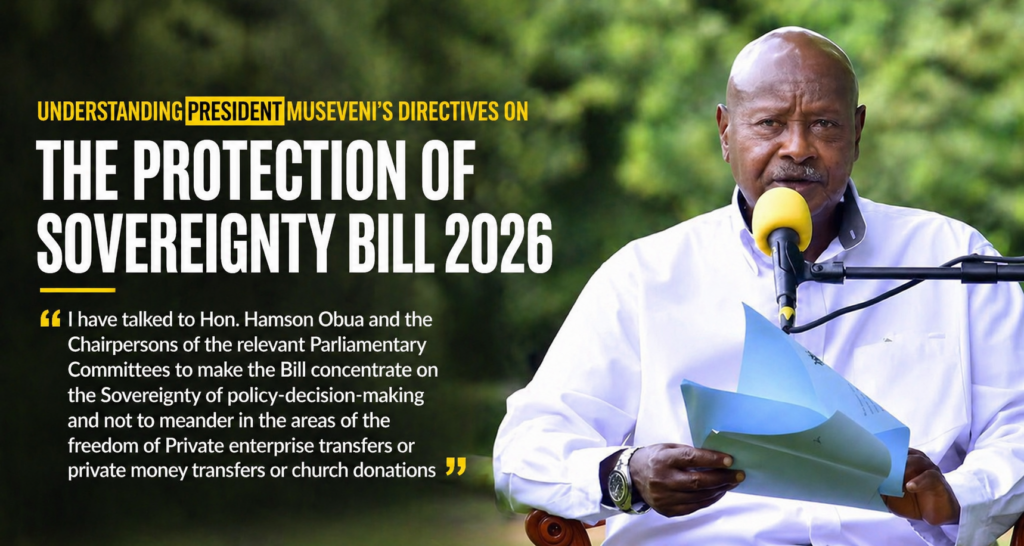

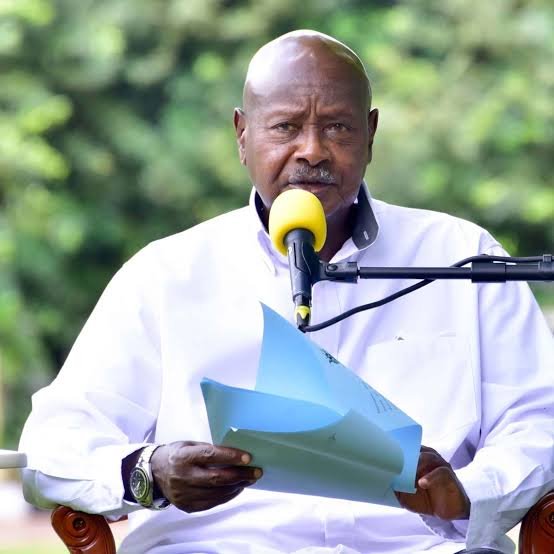
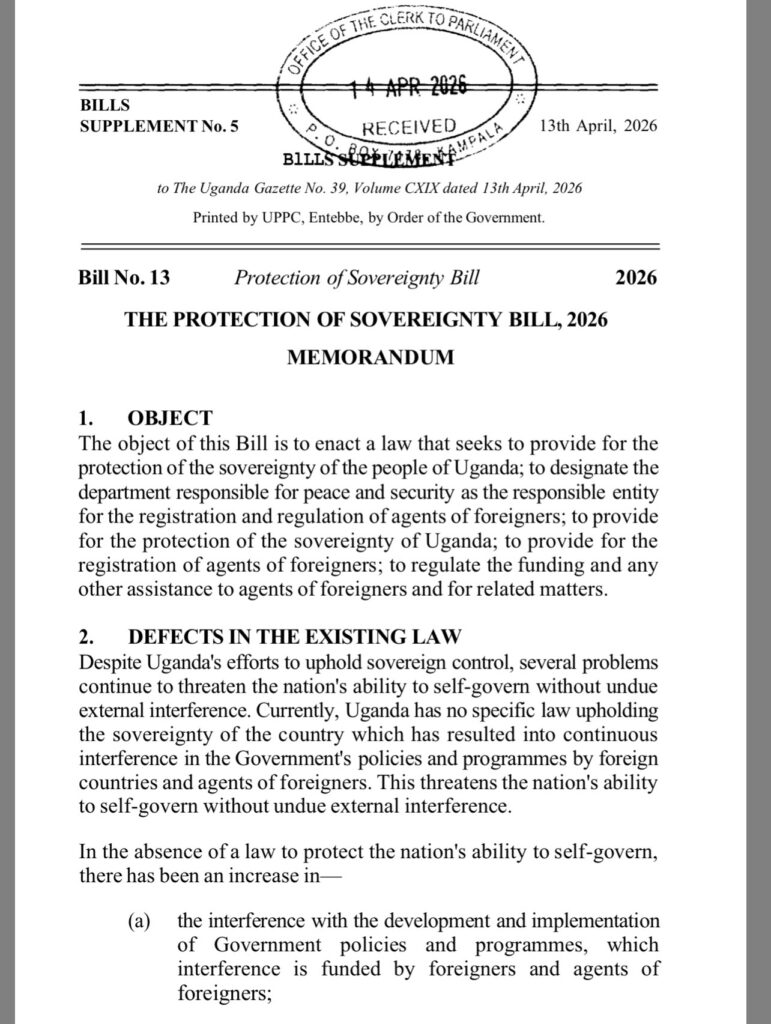
In his recent guidance on the proposed Protection of Sovereignty Bill, 2026, President Yoweri Kaguta Museveni offered a very specific instruction to lawmakers: focus the law narrowly on protecting Uganda’s independence in decision-making, and avoid interfering with private economic and social freedoms.
To unpack this properly, it helps to break the statement into its two main components what the Bill should focus on, and what it must avoid.
1. The Core Focus: Sovereignty of Policy Decision-Making
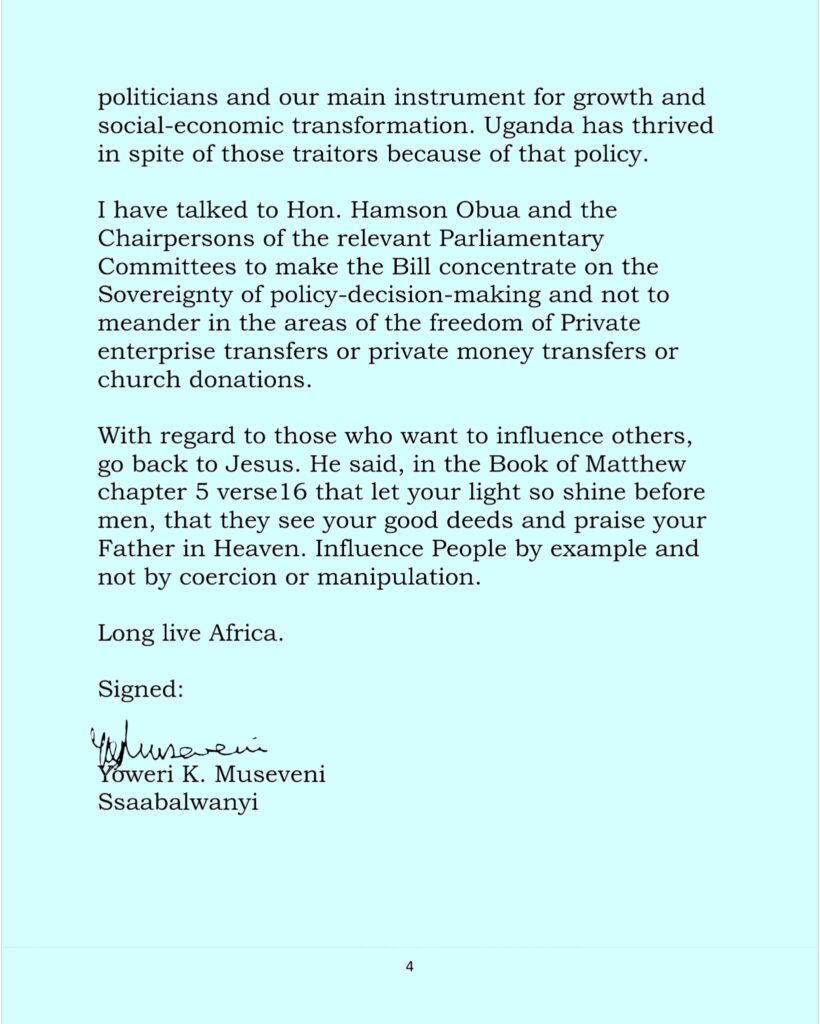
When President Museveni talks about the “sovereignty of policy-decision-making,” he is referring to Uganda’s ability to make its own national decisions without undue external influence.
In practical terms, this includes:
- Political independence: Ensuring that foreign governments, organizations, or actors do not dictate Uganda’s laws, policies, or governance direction.
- Economic autonomy at the policy level: Uganda deciding its own economic strategies taxation, trade, industrial policy based on national interests.
- Protection from external pressure: Guarding against conditional aid, sanctions, or lobbying that attempts to force policy changes.
The directive suggests that the Bill is intended to act as a legal shield against foreign interference in national decision-making processes, especially in sensitive areas like governance, culture, and national values.
In essence, Museveni is saying:
“Let the law defend Uganda’s right to choose its own path.”
2. The Warning: Do Not “Meander” Into Private Freedoms
The second part of the directive is just as important. President Museveni cautions Parliament not to “meander” (wander unnecessarily) into areas that affect private individuals and institutions.
He specifically mentions three areas:
a) Private Enterprise Transfers
This refers to business transactions such as:
- Investments
- Buying and selling companies
- Movement of capital between businesses
Meaning:
The Bill should not restrict how businesses operate or move money within legal frameworks. Uganda’s economy depends on investor confidence, and overregulation could scare off both local and foreign investors.
b) Private Money Transfers
This includes:
- Remittances from abroad
- Personal bank transfers
- Mobile money transactions
Meaning:
Ordinary citizens should remain free to send and receive money without unnecessary state interference. Any attempt to control this could disrupt livelihoods, especially in a country where remittances play a major role in household income.
c) Church Donations
This refers to:
- Offerings and tithes
- Donations to religious institutions
- Faith-based funding
Meaning:
Religious freedom including financial support to churches and ministries should not be affected by the Bill. This is particularly significant in Uganda, where faith institutions are deeply embedded in social and community life.
3. Why This Distinction Matters
Museveni’s directive is essentially about drawing a clear boundary:
| Area | Should It Be Regulated by the Bill? | Reason |
| National policy decisions | Yes | Protect sovereignty |
| Foreign political influence | Yes | Prevent interference |
| Business transactions | No | Preserve economic freedom |
| Personal money transfers | No | Protect livelihoods |
| Religious donations | No | Uphold freedom of worship |
This distinction is crucial because laws framed in the name of “sovereignty” can sometimes become overly broad and end up restricting civil liberties or economic activity.
President Museveni appears to be preemptively avoiding that risk.
4. Political and Economic Implications
a) Reassuring Investors
By explicitly excluding private enterprise from the Bill’s scope, the government is signaling that:
- Uganda remains open for business
- Capital movement will not be restricted
- Economic freedoms will be respected
This is important for maintaining both domestic and international investor confidence.
b) Protecting Civil Liberties
The mention of private transfers and church donations indicates an intention to:
- Avoid backlash from citizens
- Prevent the perception of state overreach
- Maintain constitutional freedoms (religion, property, association)
c) Targeting External Influence More Precisely
The directive narrows the Bill’s purpose to:
- NGOs or foreign-funded actors influencing policy
- External political pressure mechanisms
- Sovereignty-sensitive sectors
This suggests a more targeted legal approach, rather than a sweeping control law.
5. The Role of Parliament
President Museveni specifically referenced discussions with Hamson Obua and parliamentary committee chairpersons. This indicates:
- The Bill is still being shaped at committee level
- Lawmakers are being guided to refine its scope
- There is an effort to align political intent with legislative clarity
Parliament’s challenge will be to:
- Define “foreign interference” clearly
- Avoid vague clauses that could be misused
- Balance sovereignty with rights and economic openness
6. Bottom Line: What President Museveni Really Means
Put simply, Museveni’s directive can be summarized as:
“Protect Uganda from external control over its national decisions but do not interfere with the economic, financial, and religious freedoms of its people.”
It is a call for a focused sovereignty law, not a broad control mechanism.
7. Final Insight
This directive reflects a balancing act common in many developing nations:
- Assert national independence in a globalized world
- While keeping the economy open and citizens free
Whether the Protection of Sovereignty Bill, 2026 achieves that balance will depend entirely on how Parliament translates this guidance into actual legal provisions.