
While the final text of the Protection of Sovereignty Bill 2026 may evolve, multiple signals from recent government actions, policy debates, and legislative trends point to five critical citizenship-related clauses.
These are the areas to watch.
Clause 1: “Citizenship in the Interest of National Sovereignty”
What it likely says
The state reserves the right to:
- Grant, deny, or revoke citizenship based on national interest
- Override standard procedures in cases involving security or foreign influence
What it really means
This shifts citizenship from:
A legal right → to a conditional privilege
Implications
- Citizenship decisions could become less transparent
- Executive power (State House, security agencies) becomes more influential
- Courts may have limited room to challenge decisions
This opens the door to selective enforcement, especially during politically sensitive periods.
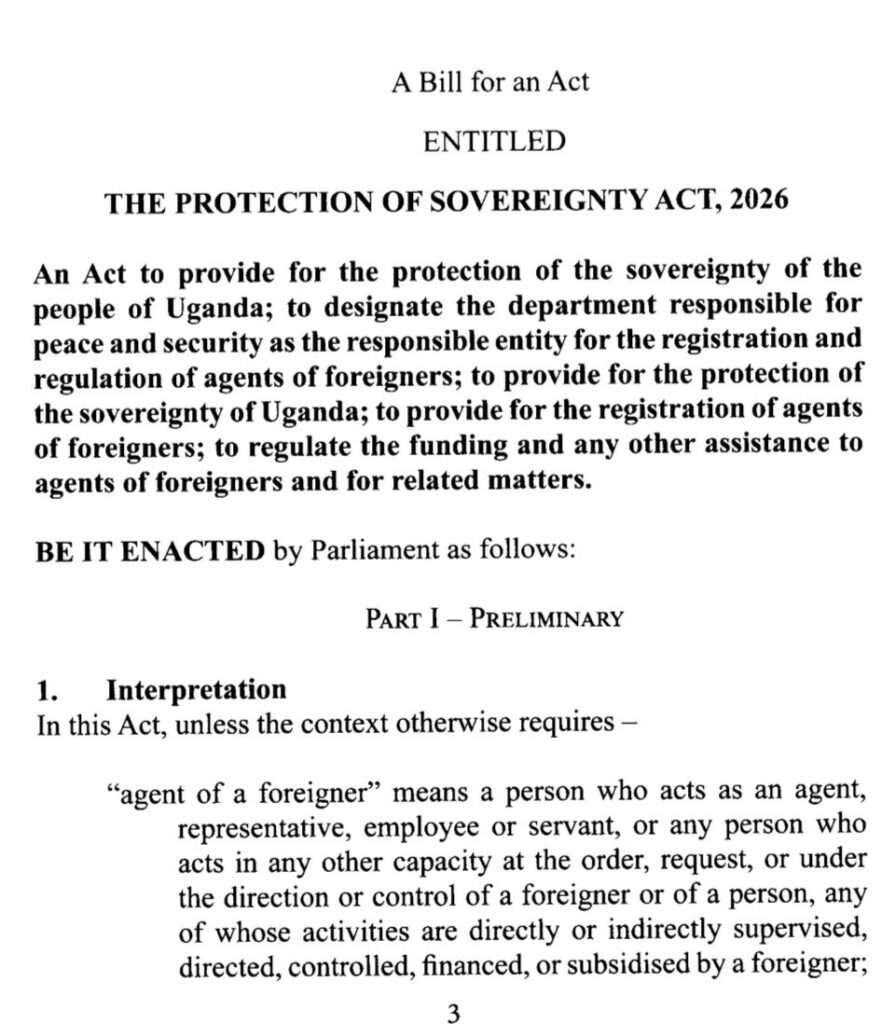
Clause 2: Tightened Regulation of Dual Citizenship
What it likely says
- Mandatory re-verification of all dual citizens
- Declaration of:
- Foreign assets
- Foreign allegiances
- Political affiliations abroad
- Foreign assets
- Possible restrictions on participation in:
- Elections
- Political parties
- Strategic sectors
- Elections
What it really means
Dual citizens move from being:
“Assets to national development” → to “potential security risks”
Implications for diaspora Ugandans
- Increased bureaucracy to maintain citizenship status
- Risk of losing eligibility for:
- Voting
- Holding office
- Voting
- Possible targeting of politically active diaspora figures
This could quietly reduce diaspora political influence ahead of any elections in the Country.
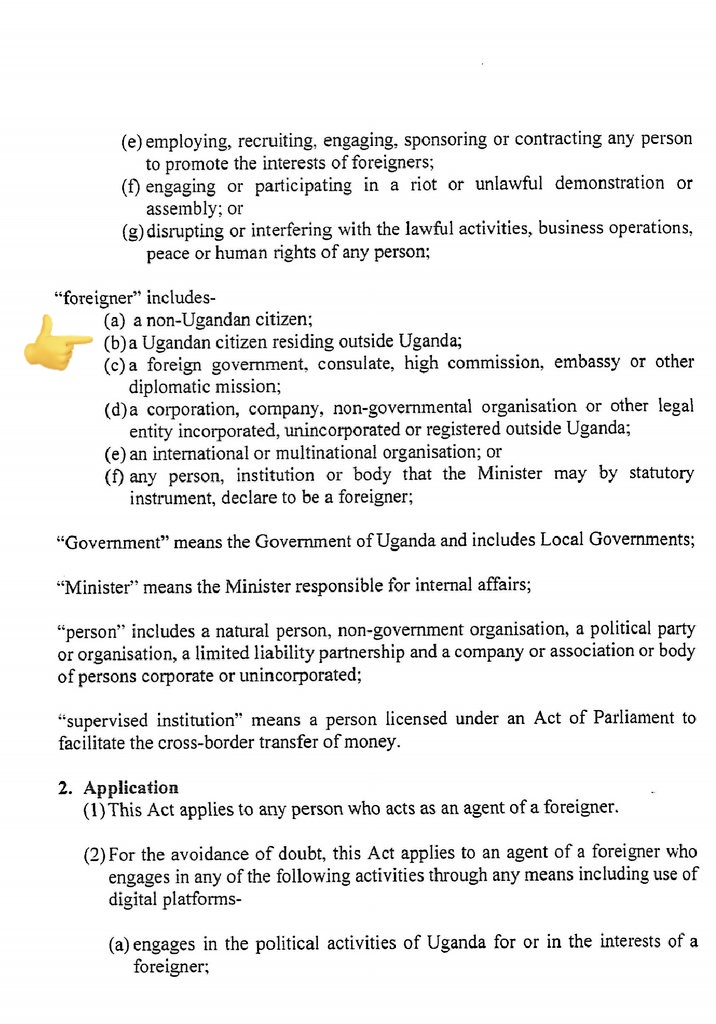
Clause 3: Citizenship and Eligibility for Public Office
What it likely says
Expanded restrictions on who can:
- Run for Parliament
- Hold senior government roles
- Access classified/state-sensitive positions
Particularly targeting:
- Dual citizens
- Naturalised citizens
What it really means
Creation of tiers of citizenship:
| Tier | Rights |
| Full (indigenous by birth) | Full political access |
| Conditional (dual citizens) | Limited access |
| Restricted (naturalised) | Highly limited access |
Political impact
- Consolidates power within “trusted” identity groups
- Reduces competition from:
- Diaspora returnees
- Reform-oriented candidates
- Diaspora returnees
This is less about law and more about political gatekeeping.

Clause 4: Redefinition of “Indigenous Ugandan”
What it likely says
- Reinforces or updates the constitutional list of recognized indigenous communities
- Requires stricter proof of:
- Ancestry
- Lineage
- Ancestry
What it really means
Citizenship becomes more tied to:
History and ethnicity rather than residence or contribution
Who is affected most
- Border communities
- Migrant populations
- Long-term residents without documented ancestry
- Some minority ethnic groups
Hidden risk
This clause can be used during any elections to:
- Challenge voter eligibility
- Disqualify candidates
- Influence voter rolls
Clause 5: Citizenship Revocation and Suspension Powers
What it likely says
Government may:
- Suspend citizenship rights
- Revoke citizenship in cases of:
- “Disloyalty”
- “Foreign interference”
- “Threats to sovereignty”
- “Disloyalty”
What it really means
This is the most powerful and controversial tool.
Because terms like:
- “Disloyalty”
- “Foreign influence”
…are politically interpretable
Implications
- Activists and opposition figures could face pressure
- Journalists and civil society actors may be scrutinized
- Citizenship becomes a tool of discipline
Even if rarely used, the fear of revocation can shape behavior.
Elections: The Real Target
Taken together, these clauses could directly influence:
1. Who votes
- Stricter verification = potential exclusion
- Diaspora voting could be limited
2. Who runs
- Dual and naturalised citizens face new barriers
3. Who campaigns
- Foreign-linked candidates may be scrutinized
The Strategic Pattern
When you connect the dots, the Protection of Sovereignty Bill 2026 aligns with a broader trend in Uganda:
👉 Centralizing control
👉 Managing political competition
👉 Regulating external influence
But citizenship is the quiet entry point.
Bottom Line
The Protection of Sovereignty Bill 2026 is not just about:
- NGOs
- Foreign funding
- National independence
It is about redefining:
Who belongs, who participates, and who holds power in Uganda
And once citizenship becomes conditional,
it stops being just an identity and becomes a political instrument.