
The Speakership race is rapidly becoming a referendum on political loyalty, institutional independence, and the limits of cooperation within dominant-party politics.
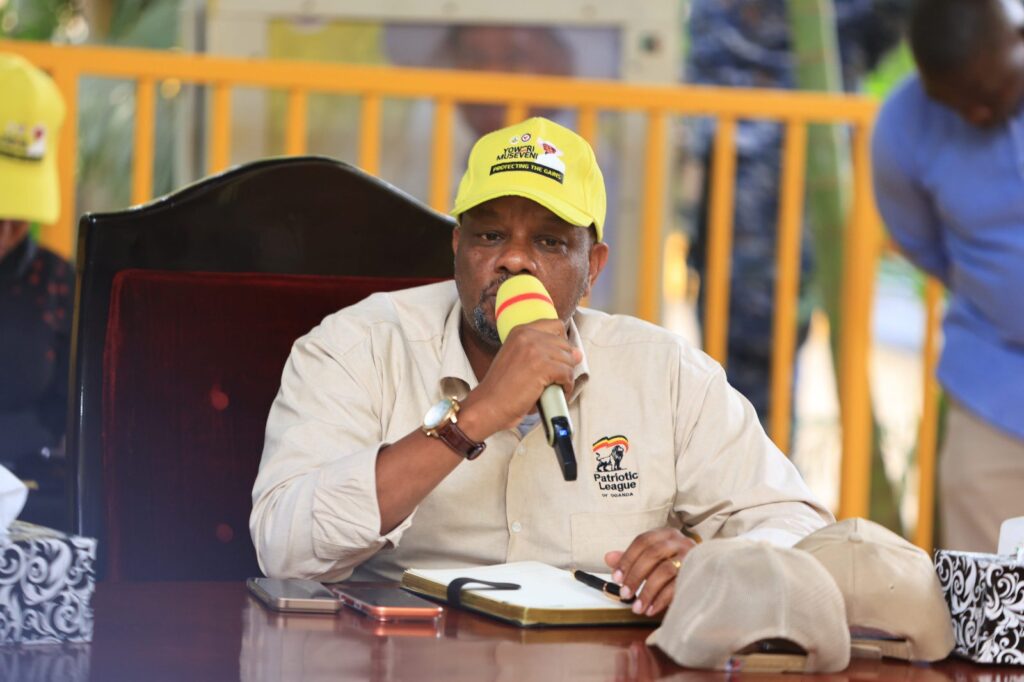
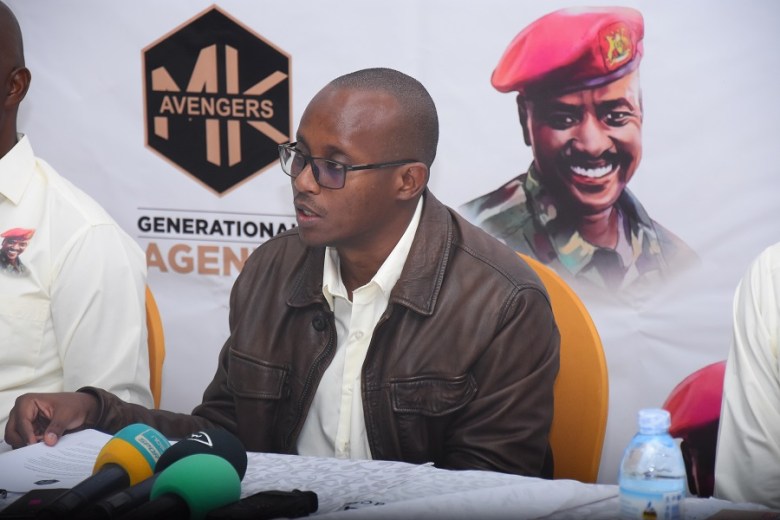
Two contrasting narratives, articulated by Mr.Michael Nuwagira (popularly known as Toyota) and Amb.Michael Katungi, expressed a deeper ideological and strategic divide within the existing political establishments.
The Cooperation Dilemma: Loyalty or Opportunism
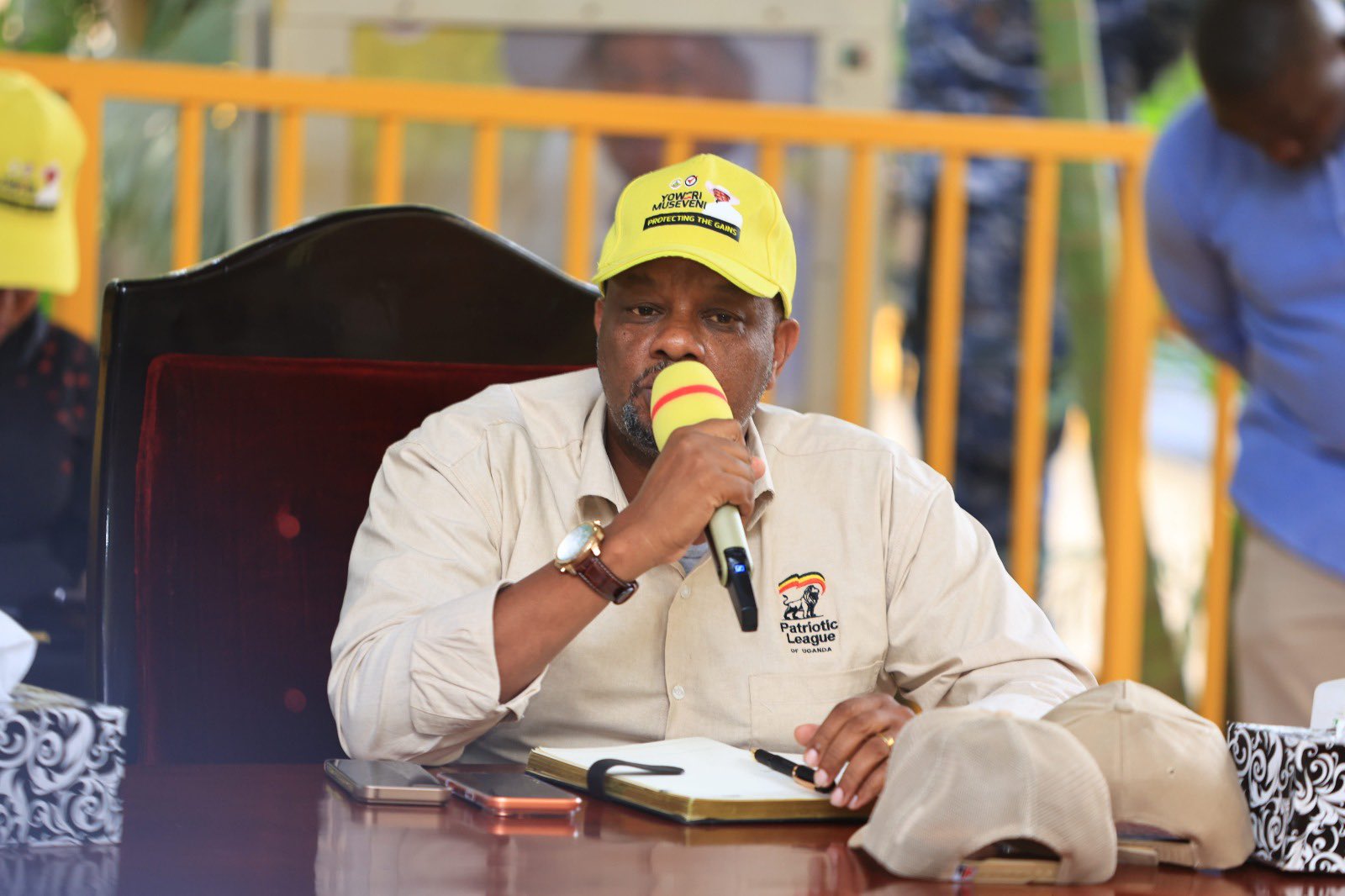
Nuwagira’s argument is blunt and unapologetically partisan, grounded in the belief that political power must be secured through tested loyalty rather than fluid alliances.
“The cooperation has already earned him a ministerial post and a seat in Parliament – that’s quite significant. He should drop the DP card before he begins using this cooperation as a stepping stone to pursue other positions.”
This statement goes beyond a personal critique it reflects anxiety within sections of the NRM about the growing influence of political “cooperators,” particularly those still formally tied to opposition parties such as the Democratic Party (DP).
Nuwagira reinforces his position with a broader institutional warning:
“As the NRM, we work hard and mobilize to secure strong numbers in Parliament for a clear purpose.”
“We can’t risk the Speakership on mere cooperation.”
Taken together, these remarks outline a strict political doctrine: access to the highest offices of Parliament must be earned through full ideological and structural alignment not strategic proximity.
At its core, Nuwagira’s stance is about safeguarding a closed system of power one where loyalty is measurable, enforceable, and non-negotiable.
The Institutional Argument: Speakership Beyond Party Lines
In contrast, Katungi’s remarks adopt a conciliatory and institution-focused tone, subtly challenging the rigidity of party-first thinking.
“A guest of the chairman should be treated with uttermost courtesy.”
This opening line signals a cultural and political norm within Uganda’s power structure respect for those aligned, even informally, with the ruling leadership.
He then reframes the entire debate:
“The speakership is not a party office but a national one.”
This assertion shifts the discussion from internal party calculations to constitutional responsibility. It implies that competence, neutrality, and national interest should outweigh partisan identity.
Katungi further tempers the urgency of the debate:
“Let’s cross the bridge when we reach it.”
“The Chairman will guide or elections will produce a suitable leader.”
“We respect both senior leaders.”
These remarks suggest a strategic patience allowing either the ruling party chairman, widely understood to be President Yoweri Kaguta Museveni, or parliamentary processes to determine the outcome.
The Chairman Factor: Silent Power Behind the Curtain
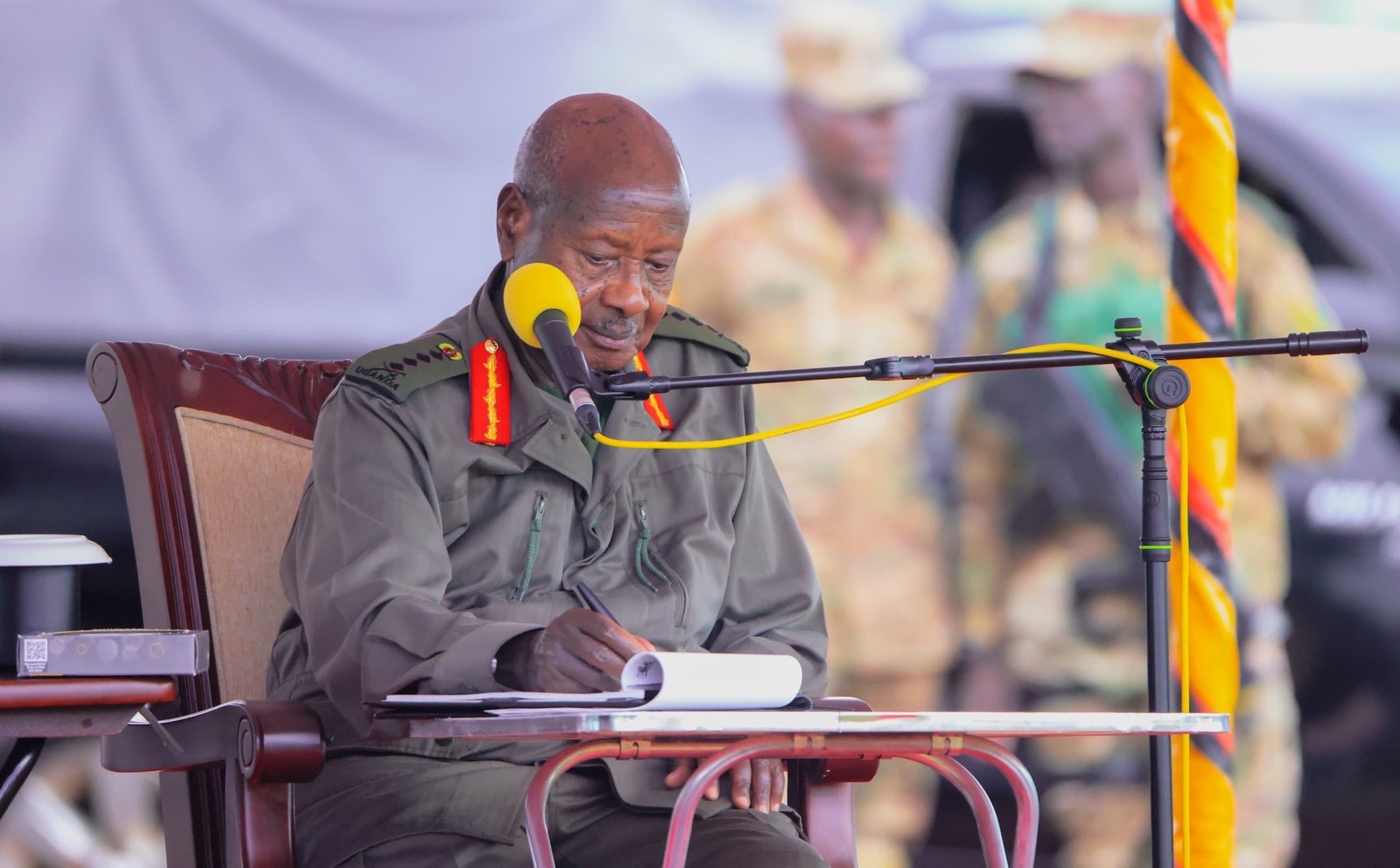
Despite their differences, both narratives converge on one unspoken reality: the central role of the NRM Chairman.
Katungi explicitly acknowledges it, while Nuwagira’s argument assumes it as the underlying authority structure.
This reflects a defining feature of Uganda’s political system formal institutions often operate alongside decisive informal influence.
The Chairman’s eventual position could:
- Endorse a cooperator, signaling flexibility within the system
- Reinforce strict party loyalty, validating Nuwagira’s concerns
- Or delay intervention, allowing internal dynamics to shape the final outcome
In each scenario, the balance between institutional independence and centralized control remains at stake.
While the public debate appears to revolve around personalities and qualifications, the deeper stakes are structural:
1. Control of Parliament
The Speakership determines legislative direction, debate management, and committee influence making it one of the most powerful offices in Uganda.
2. Future of Political Cooperation
A successful cooperator could redefine how opposition figures engage with the ruling establishment without formal defection.
3. Internal NRM Discipline
A departure from strict loyalty requirements could embolden factions and weaken centralized command.
4. Public Perception of Democracy
A cross-party Speaker may project inclusivity but could also raise questions about elite consensus versus genuine democratic competition.
The Language of Power: Signals to Different Audiences
Both Nuwagira and Katungi are not merely expressing views they are signaling strategically:
- Nuwagira speaks to party loyalists and mobilizers, emphasizing discipline and ideological clarity.
- Katungi addresses moderates and institutionalists, emphasizing legitimacy, process, and national unity.
This dual messaging reflects a broader balancing act within dominant-party systems: maintaining control while projecting openness.
Conclusion
The Speakership race is no longer just about who becomes Speaker it is about how Uganda defines political legitimacy in a system where party dominance and national institutions intersect.
Nuwagira’s warning is clear: power must be protected.
Katungi’s appeal is equally firm: institutions must transcend party lines.
Between these positions lies the real contest not just for the Speakership, but for the future character of Uganda’s parliamentary democracy.