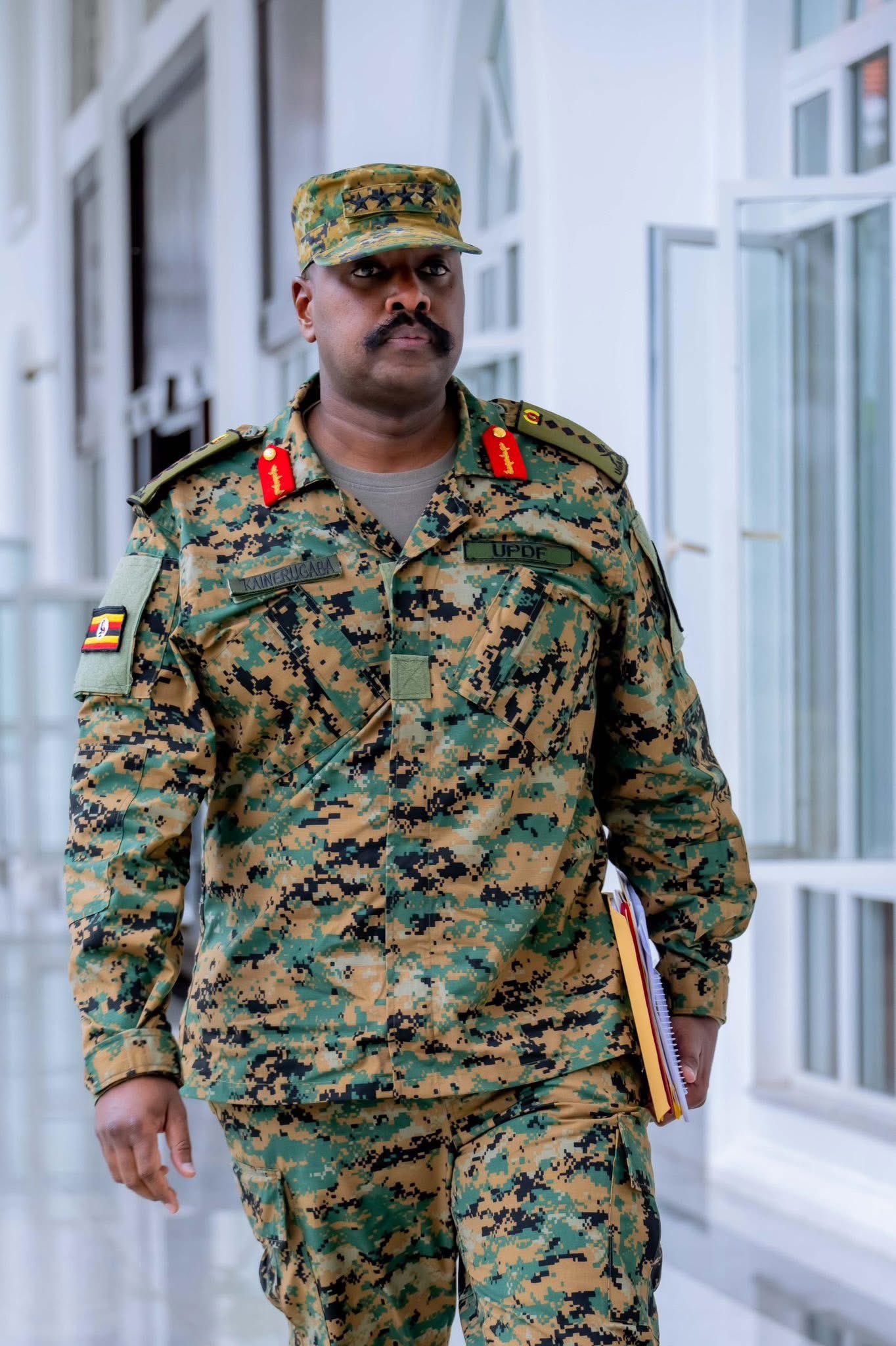

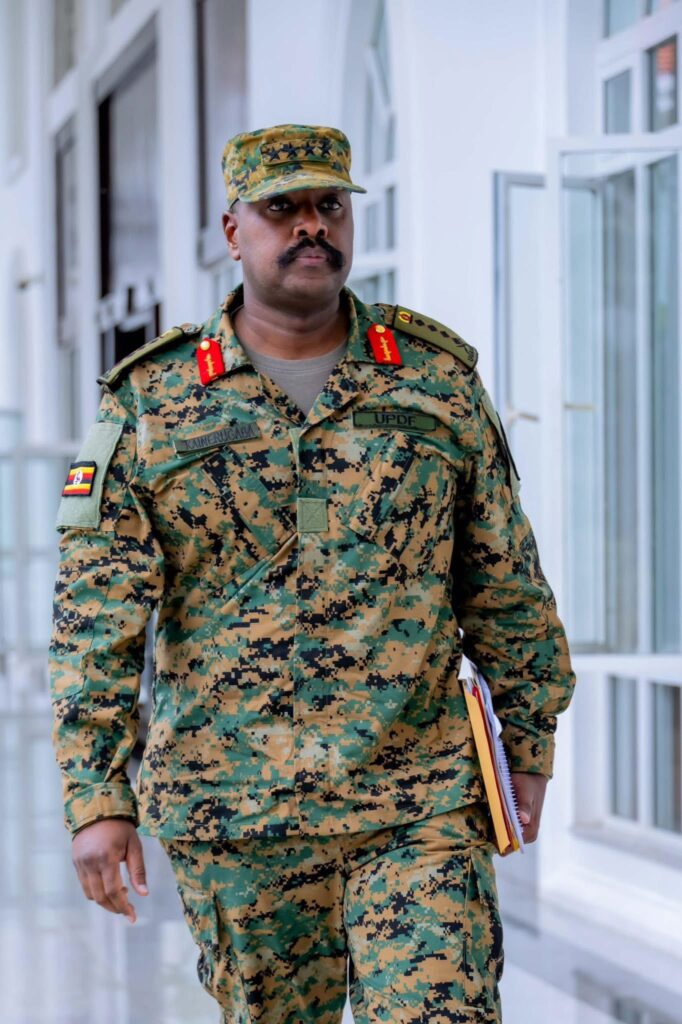
When General Muhoozi Kainerugaba assumed office as Chief of Defence Forces (CDF) of the Uganda People’s Defence Forces (UPDF), expectations were as high as they were contested. Two years later, his tenure presents a complex blend of measurable institutional progress, evolving military doctrine, and heightened public scrutiny an era defined by both consolidation and transformation.
Strengthening Professionalism and Command Structure
At the core of Gen. Muhoozi’s leadership has been a deliberate push toward strengthening professionalism within the ranks. Military analysts and internal assessments indicate a renewed emphasis on discipline, command accountability, and structured career progression.
Under his stewardship, the UPDF has intensified internal training programs, focusing on specialized skills, joint operations, and leadership development. Sources within defence circles point to a more centralized command structure, aimed at improving coordination across land, air, and special forces units an approach that has reportedly enhanced response efficiency in both domestic and regional operations.
Operational Readiness and National Security
Perhaps the most critical metric for any CDF is operational readiness. Over the past two years, the UPDF has maintained a visible posture in safeguarding Uganda’s territorial integrity, particularly along volatile border regions.
Security observers credit Gen. Muhoozi with reinforcing rapid deployment capabilities and intelligence-led operations. His tenure has also coincided with continued UPDF involvement in regional stabilization efforts, particularly in counterterrorism operations linked to threats emanating from Eastern Congo.
Domestically, one of the defining moments of his leadership came during the 2026 General Elections. Widely described by government officials as among the safest in Uganda’s post-independence history, the elections were conducted under a heavy but coordinated security framework overseen by the UPDF. While critics argue about the broader political environment, there is consensus that large-scale violence was notably absent.
Modernization and Infrastructure Development
A key pillar of Gen. Muhoozi’s agenda has been modernization both in terms of hardware and institutional infrastructure.
The ongoing development of the Defence Headquarters in Mbuya stands as a flagship project. Designed to centralize strategic command and improve operational coordination, the facility reflects a broader ambition to align the UPDF with modern military standards.
Additionally, there have been efforts though less publicly detailed to upgrade military equipment and integrate new technologies into intelligence and surveillance operations. Defence experts note that while progress is evident, the pace and transparency of procurement remain areas of ongoing public interest.
Welfare and Morale of Soldiers
Beyond strategy and infrastructure, Gen. Muhoozi’s leadership has placed visible emphasis on the welfare of soldiers a factor often overlooked in military reform.
Incremental improvements in housing, healthcare access, and remuneration structures have been reported, alongside initiatives aimed at boosting morale and cohesion within the forces. Interviews with serving personnel suggest that these efforts, while uneven, have contributed to a renewed sense of institutional pride.
However, some observers caution that systemic welfare challenges persist, particularly in lower ranks, pointing to the need for sustained investment and policy continuity.
Military Diplomacy and International Engagement
In an increasingly interconnected security landscape, Gen. Muhoozi has also positioned himself as an active figure in military diplomacy. His engagements with regional and international counterparts have sought to strengthen Uganda’s strategic alliances.
From bilateral security discussions to participation in multinational forums, his role has extended beyond traditional military command into the realm of statecraft. Supporters describe him as a reliable and assertive representative of Uganda’s interests, while critics question the personalization of military diplomacy.
Public Perception and Political Undertones
No assessment of Gen. Muhoozi’s tenure would be complete without addressing the political dimension that shadows it. As a high-profile figure with a significant public following, his leadership has often intersected with Uganda’s broader political discourse.
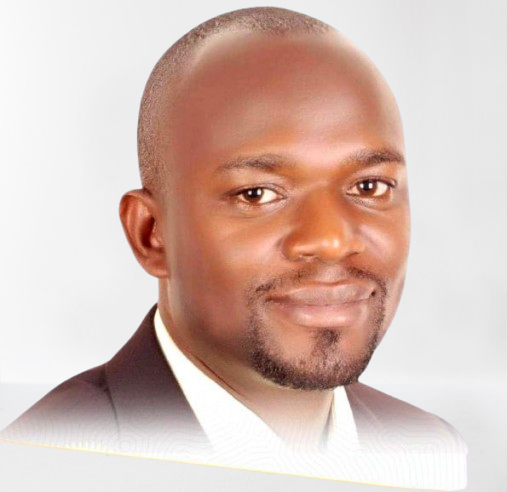
Supporters, including figures like Hon Balaam Ateenyi Barugahara, frame his tenure as a period of visionary leadership, generational renewal, and national stability. They highlight his decisive approach and ability to inspire a new cadre of patriotic actors.
Many, however, argue that his prominence blurs the line between military professionalism and political influence, raising questions about civil-military relations in a striving for institutional balance.
The Road Ahead
Two years into his tenure, General Muhoozi Kainerugaba’s leadership of the UPDF reflected a period of both consolidation and ambition. Gains in professionalism, operational readiness, and infrastructure development are evident, though not without accompanying debates about transparency, inclusivity, and the evolving role of the military in national life.
As Uganda navigates a dynamic regional security environment and a shifting domestic political landscape, the trajectory of the UPDF under his command will remain a subject of close observation.
For now, the second anniversary of his appointment stands not only as a milestone but as a moment of reflection on the direction, identity, and future of Uganda’s military establishment.