
Uganda’s succession debate is not happening on campaign posters. It is unfolding inside institutions.
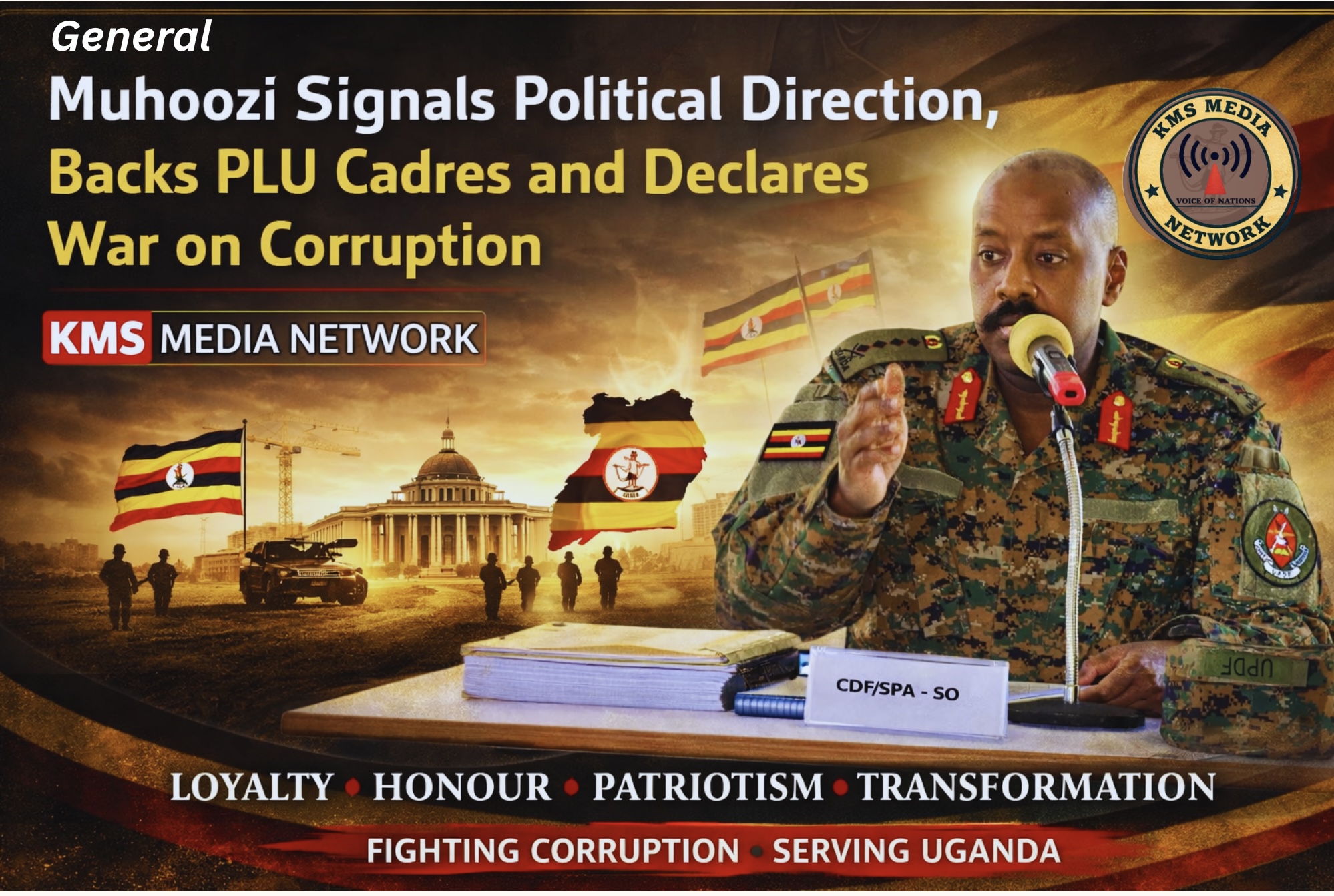
As the country edges into 2026, most public attention remains fixed on presidential calculations surrounding President Yoweri Kaguta Museveni, the rising profile of General Muhoozi Kainerugaba, and the enduring influence of liberation-era figures like General Salim Saleh.
But the real battlefield of the 2031 transition question may not be State House.
It may be Parliament.
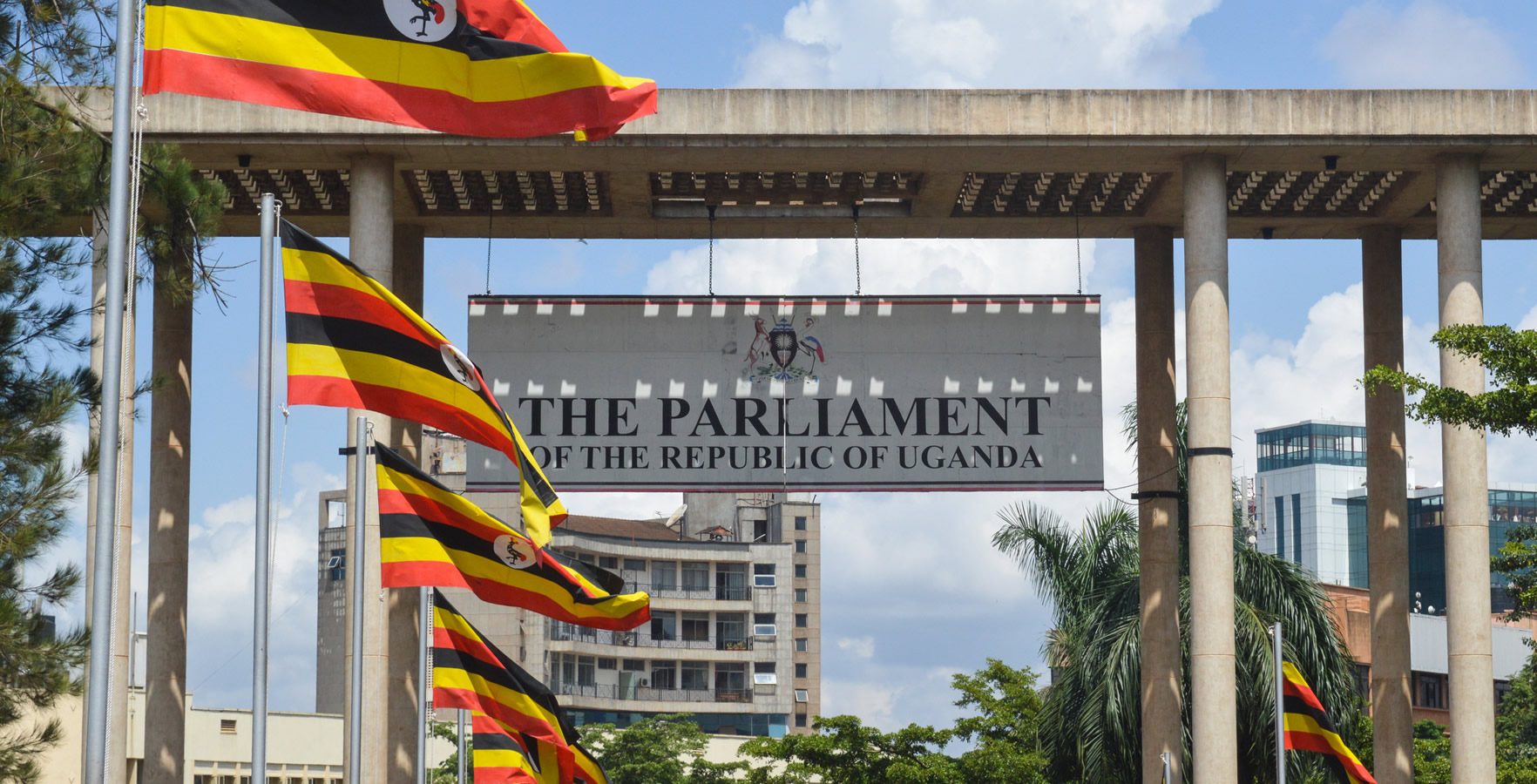
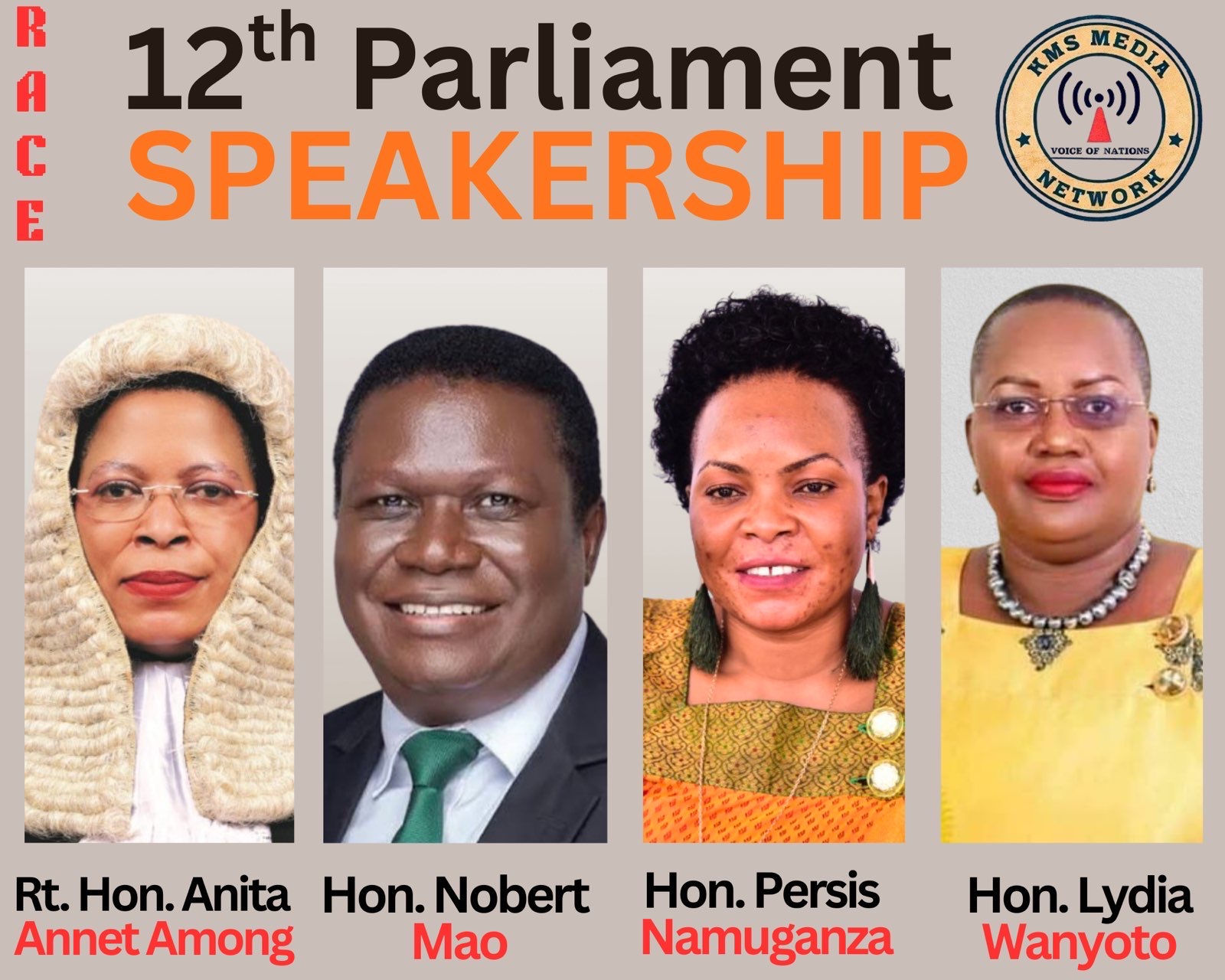
And specifically the “Speakership of the 12th Parliament”.
Parliament: The Overlooked Transition Instrument
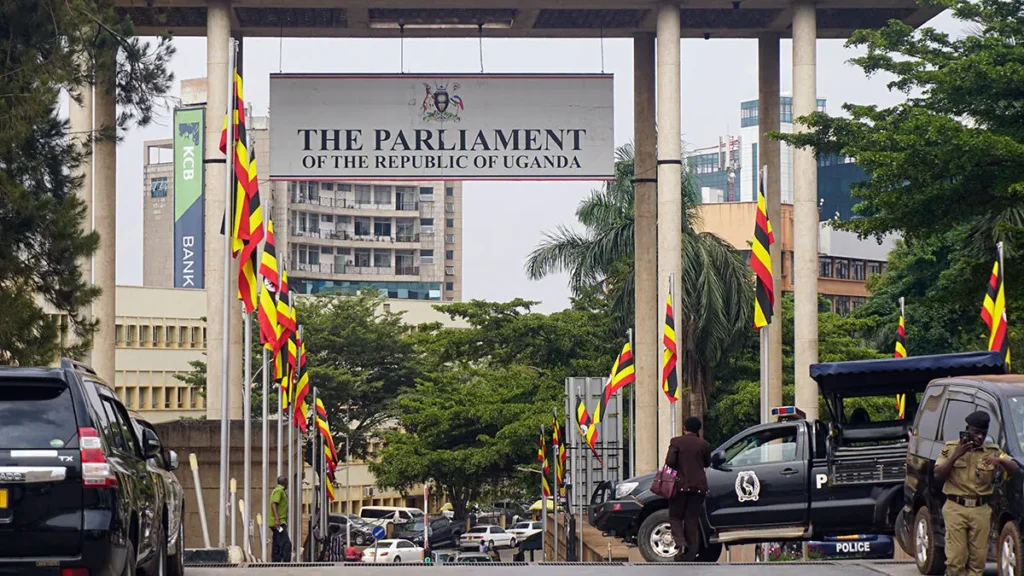
In Uganda’s political system, Parliament is often seen as reactive to the Executive. Yet during moments of transition, it becomes pivotal.
The Speaker is not merely a presiding officer. The position controls:
- Legislative tempo
- Constitutional amendment pathways
- Oversight tone over the Executive
- Internal NRM cohesion inside the House
In a stable political era, the Speakership is procedural. In a succession era, it becomes strategic.
Why 2031 Makes the 12th Parliament Different
The re-election of President Yoweri Kaguta Museveni ushered the 12th Parliament into the most sensitive succession window in modern Ugandan politics.
By 2031:
- Uganda will be deep into generational transition pressures.
- Economic demands from a youthful population will intensify.
- Internal NRM succession conversations will likely crystallize.
This means the Speaker elected at the start of the 12th Parliament could preside over:
- Constitutional reforms
- Emergency political negotiations
- Executive-legislative realignments
- Potential leadership transition processes
That is not procedural politics. That is institutional power.
Executive Alignment or Institutional Balance?
A key question surrounding the Speakership is alignment.
A Speaker closely aligned with the Executive signals:
- Controlled continuity
- Strong party discipline
- Limited internal friction
A more independent Speaker signals:
- Growing parliamentary assertiveness
- Increased oversight posture
- Potential internal NRM factional expression
In a transition context, this difference matters profoundly.
Parliament can either smooth a succession or complicate it.
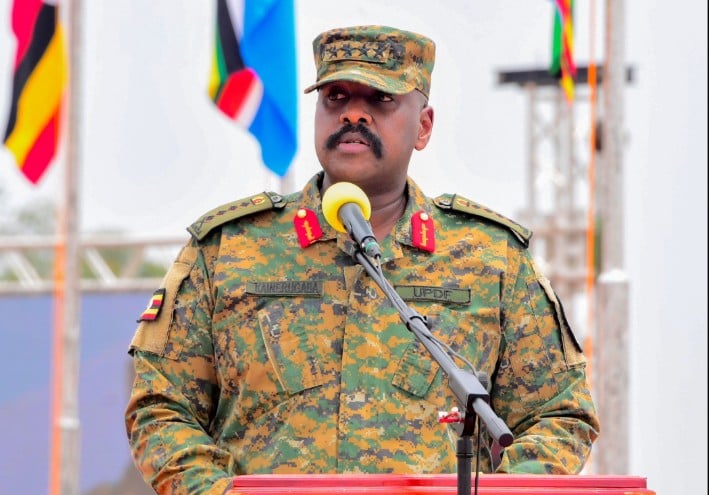
General Muhoozi Factor and Legislative Optics
Should General Muhoozi Kainerugaba eventually transition into civilian politics, his pathway would require not only party endorsement but also institutional cooperation.
A cooperative Parliament ensures:
- Clean nomination processes
- Smooth legislative backing
- Minimal constitutional friction
A divided Parliament introduces unpredictability.
This is why the Speakership is not merely about personality. It is about structural alignment heading into 2031.
The Silent Role of Liberation-Era Power Brokers
Figures such as General Salim Saleh represent continuity within the original NRM power architecture. Their priority has historically been system preservation over political experimentation.
From that perspective, the 12th Parliament must not become a platform for destabilizing rivalry. It must function as a stabilizing bridge between eras.
A Speakership perceived as neutral but system-conscious reassures the old guard.
One perceived as factional could accelerate internal anxieties.

What the Public Is Not Being Told
The public conversation frames Speakership contests around competence, seniority, and party loyalty.
The quieter conversation is about 2031 alignment:
- Who will control legislative space during transition?
- Who will manage sensitive constitutional processes if required?
- Who commands loyalty inside the ruling caucus during high-stakes votes?
Succession in Uganda will not be decided in rallies.
It will be decided through controlled institutional choreography.
And Parliament is a central stage.
President Yoweri Kaguta Museveni Calculation
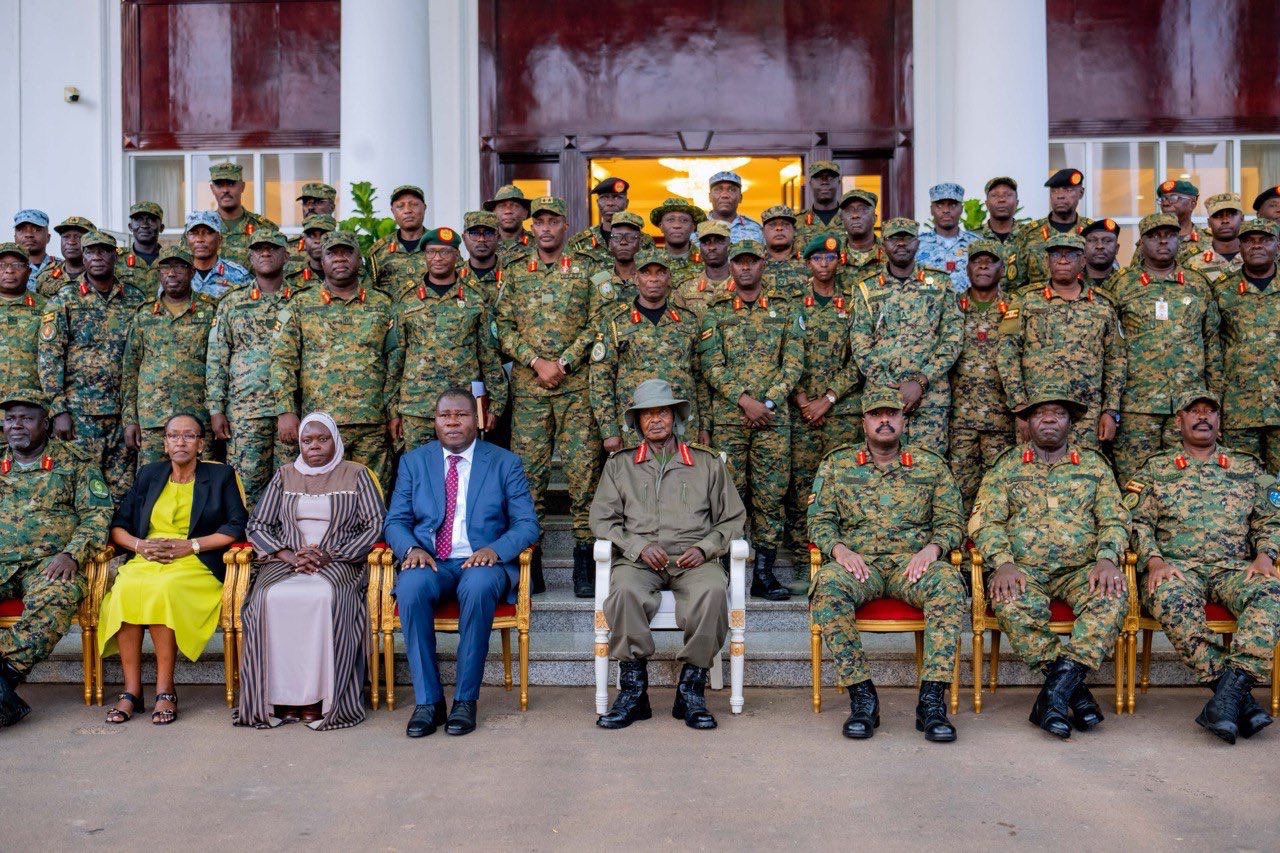
President Yoweri Kaguta Museveni’s long-standing political strength has been his ability to maintain balance across security, party, and legislative institutions.
As long as that balance holds, transition remains manageable.
The 12th Parliament Speakership is therefore not about replacing one presiding officer with another. It is about preserving equilibrium heading into a politically sensitive decade.
If equilibrium holds, 2031 becomes a controlled evolution.
If institutional balance fractures, the transition becomes more unpredictable.
Conclusion
Uganda’s 2031 question will not be answered by speculation alone.
It will be shaped by:
- Executive timing
- NRM internal consensus
- Security neutrality
- Parliamentary alignment
The Speakership of the 12th Parliament matters more than ever because it sits at the intersection of all four.
In succession politics, institutions matter more than personalities.
And in Uganda’s case, Parliament may quietly determine whether the next transition is seamless or strained.
2031 is approaching.
The question is not whether succession will come.
The question is whether the institutions are being positioned to handle it.