
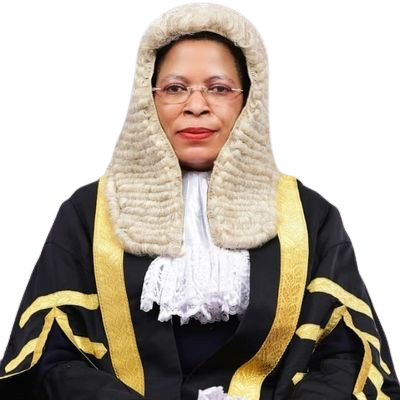
1. Anita Annet Among: The Incumbent Power Broker
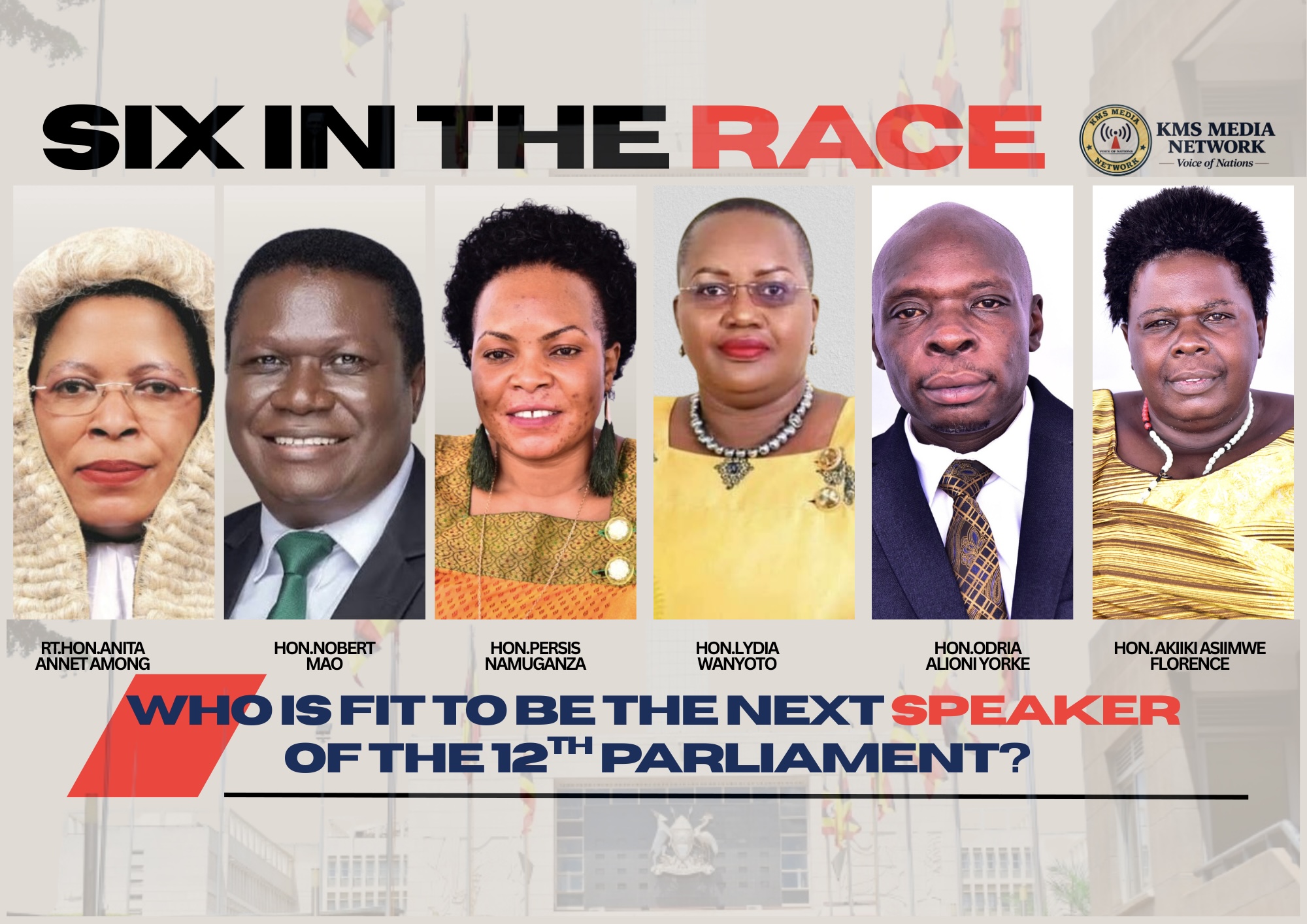
As the sitting Speaker of the 11th Parliament, Anita Annet Among enters the race with the formidable advantage of incumbency. Her tenure has been defined by firm control of the House, rapid processing of government business, and close alignment with the ruling establishment.
Strengths:
- Deep procedural knowledge and institutional experience.
- Strong backing within the ruling party hierarchy.
- Proven ability to maintain order during heated debates.
Critics argue:
- That Parliament under her leadership tilted heavily toward executive priorities.
- That space for dissent narrowed.
Fit factor: If the 12th Parliament prioritizes stability, continuity, and firm executive-legislative synergy, Among remains the establishment’s safest bet.
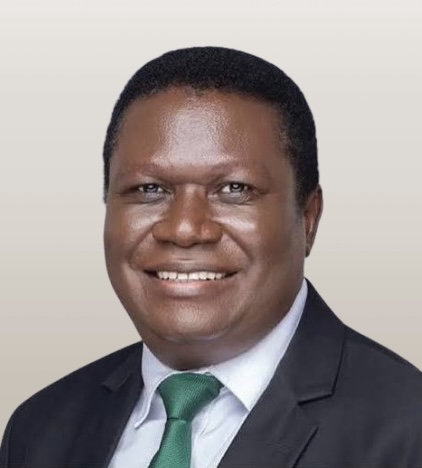
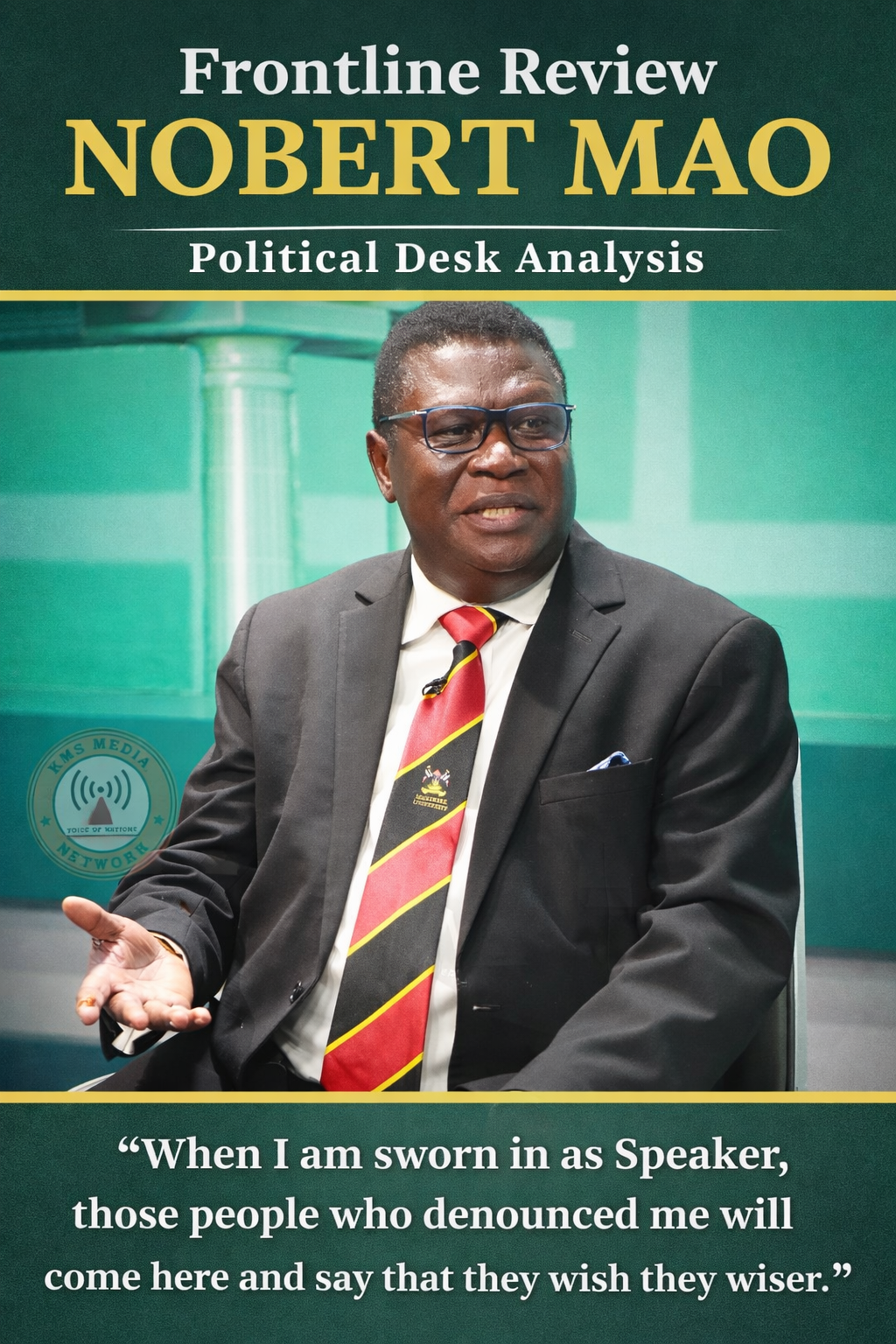
2. Norbert Mao: The Bridge Builder
Currently serving as Minister of Justice and Constitutional Affairs, Norbert Mao brings a unique profile—an opposition veteran who entered a cooperation agreement with the ruling government.
Strengths:
- Legal expertise and constitutional grounding.
- Longstanding experience in multiparty politics.
- Strong oratory and negotiation skills.
Challenges:
- Skepticism from both opposition hardliners and ruling party loyalists.
- Questions about cross-party trust.
Fit factor: If Uganda seeks a Speaker capable of bridging ideological divides and restoring deliberative depth to Parliament, Mao offers a reformist intellectual alternative.
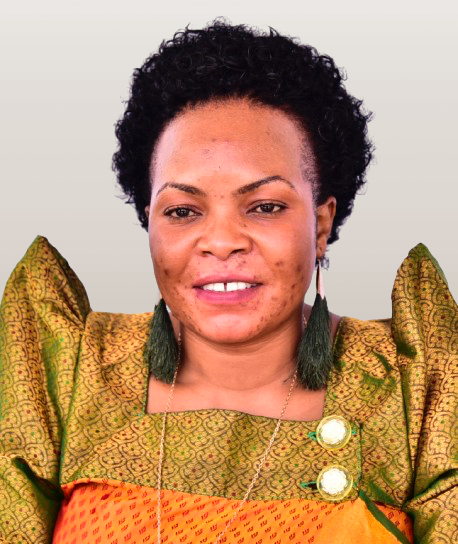
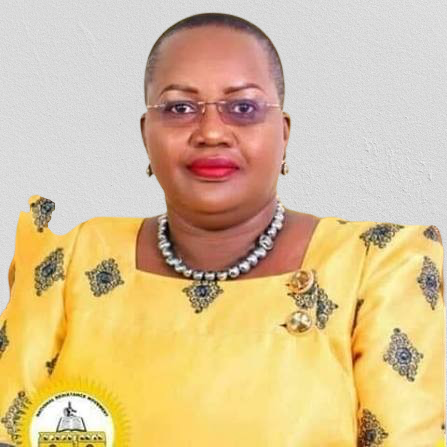
3. Persis Namuganza: The Populist Mobilizer
Persis Namuganza has built her political identity on assertive grassroots mobilization and unfiltered engagement with national debates.
Strengths:
- Strong populist appeal.
- Fearless political posture.
- Experience in committee-level engagements.
Concerns:
- Past disciplinary run-ins with Parliament leadership.
- Perceptions of unpredictability in high-stakes institutional roles.
Fit factor: Namuganza would symbolize a disruptive Speakership—energetic and grassroots-driven, but potentially polarizing.
4. Lydia Wanyoto: The Diplomatic Strategist
A seasoned politician with regional and continental exposure, Lydia Wanyoto carries credentials that extend beyond Uganda’s borders.
Strengths:
- International policy experience.
- Strategic communication skills.
- Organizational leadership background.
Challenges:
- Limited recent frontline parliamentary management.
- Must consolidate firm caucus numbers.
Fit factor: Wanyoto’s Speakership would project diplomacy and strategic recalibration—particularly relevant if Uganda seeks stronger legislative diplomacy within the East African region.

5. Odria Alioni Yorke: The Quiet Institutional Player
Less flamboyant but tactically present, Odria Alioni Yorke represents the institutionalist current within Parliament.
Strengths:
- Committee-level engagement.
- Low-profile, consensus-building style.
- Regional balancing factor from West Nile.
Challenges:
- Lower national visibility.
- Needs broader cross-regional endorsement.
Fit factor: If MPs desire a less combative and more procedurally anchored Speaker, Yorke could emerge as a compromise candidate.
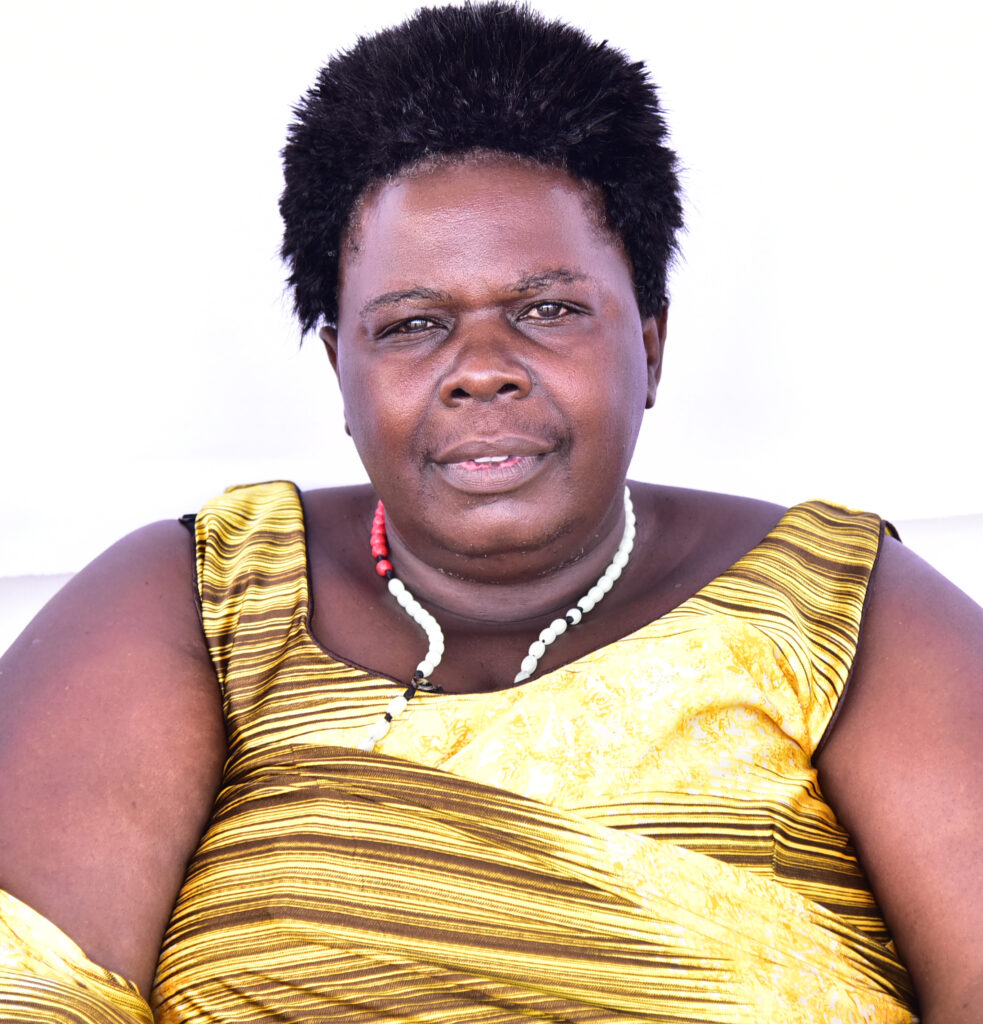
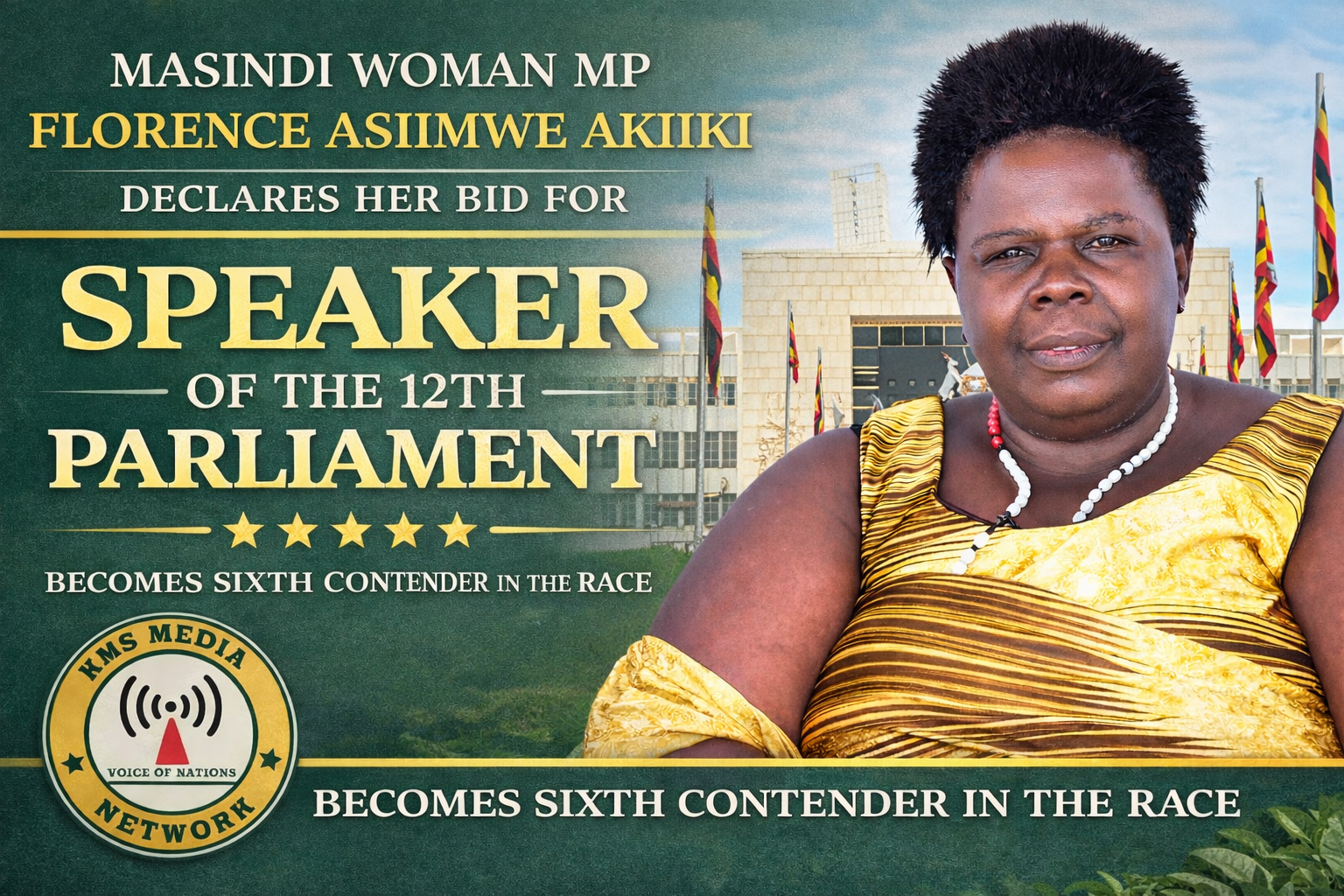
6. Florence Asiimwe Akiiki: The Reform Flagbearer
Masindi District Woman MP Florence Asiimwe Akiiki has positioned her bid as a moral restoration project—arguing that Parliament needs integrity reset and stronger oversight discipline.
Strengths:
- Reformist messaging.
- Appeal to institutional renewal.
- Emerging support among MPs seeking generational shift.
Challenges:
- Competing against heavyweight incumbency.
- Requires coalition-building beyond reform rhetoric.
Fit factor: If the 12th Parliament becomes a referendum on internal reform and public trust rebuilding, Akiiki’s candidacy could resonate beyond expectations.
What Uganda Needs from the 12th Parliament
The Speakership question is not merely about personality. It is about direction.
Uganda’s next Parliament must confront:
- Heightened public scrutiny over governance and accountability.
- A delicate political transition environment toward 2031.
- Demands for stronger legislative oversight without destabilizing executive coordination.
- The need to restore public confidence in parliamentary independence.