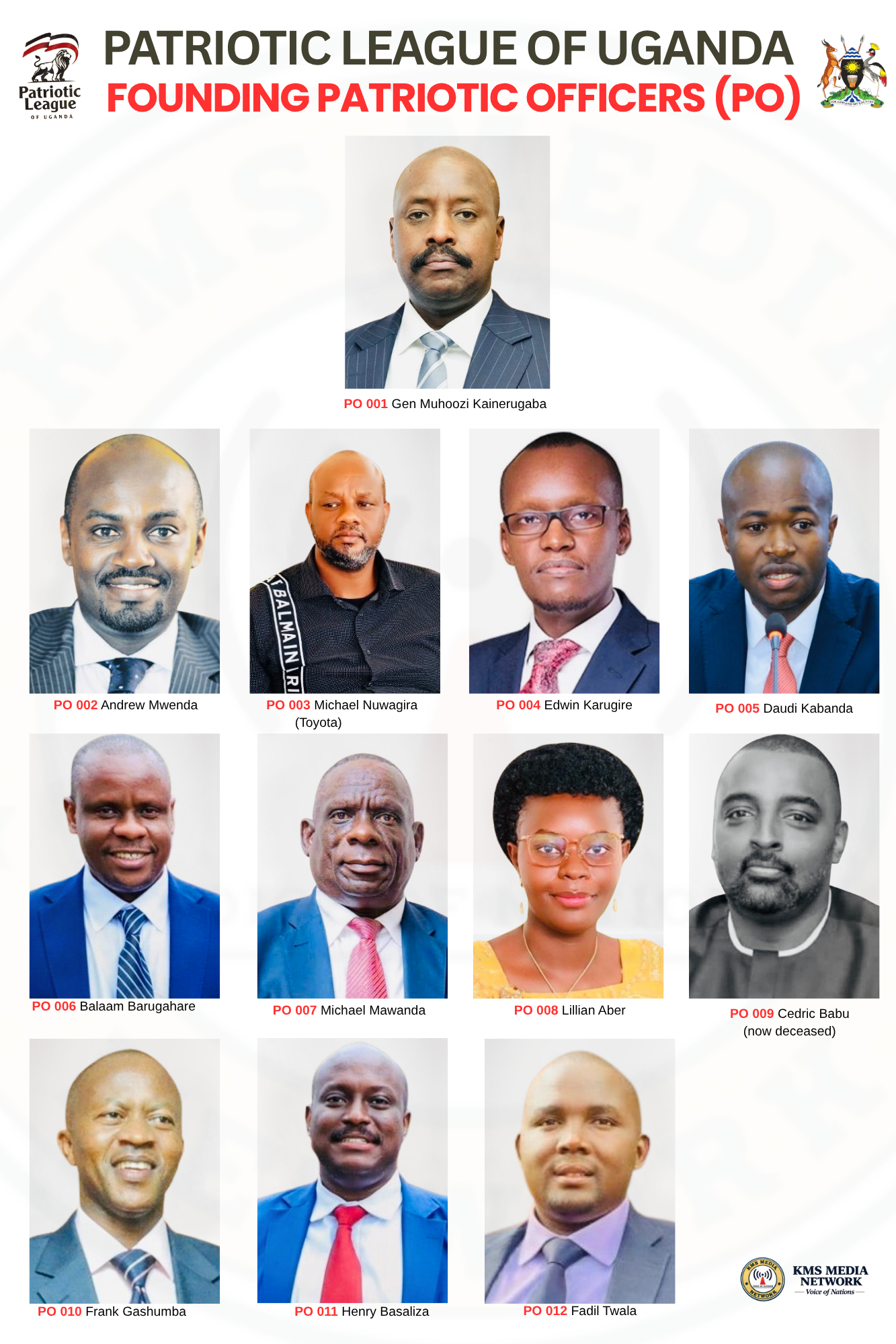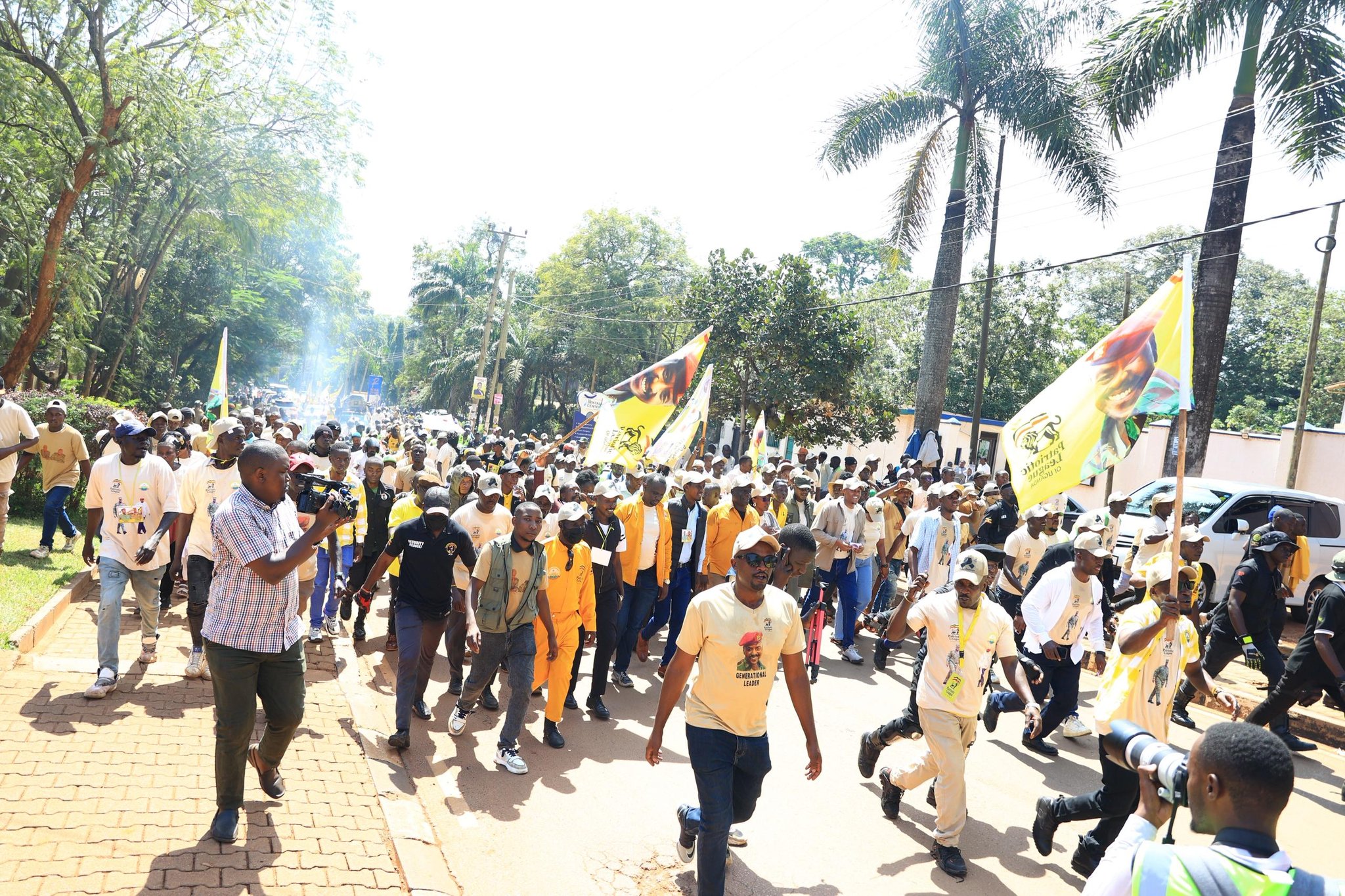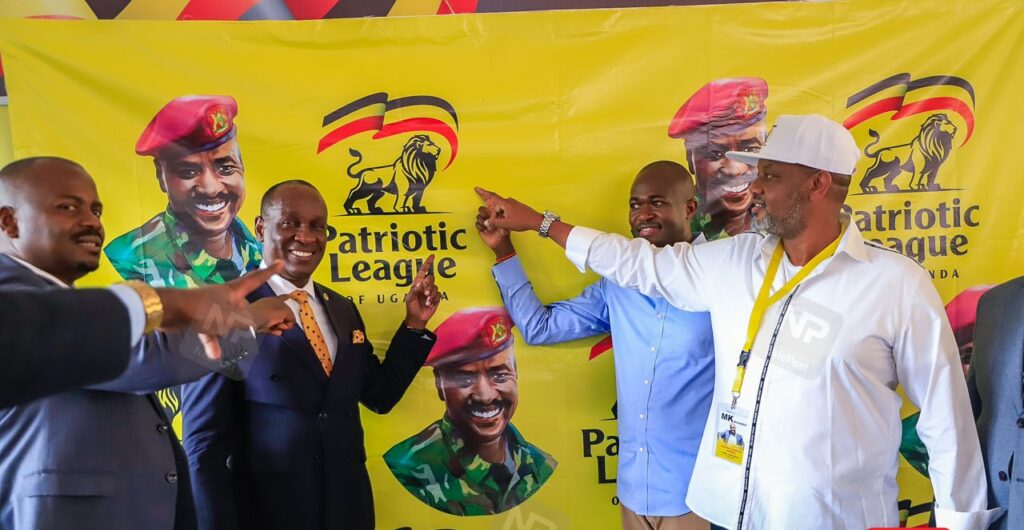

The recent introduction of a structured numbering system for leaders within the Patriotic League of Uganda (PLU), from PO 001 to PO 0012, marks a significant step toward institutional order, recognition of seniority, and historical contribution. However, as the organization evolves into a more defined political force, this milestone has also reignited an equally important conversation: the urgent need to re-establish a credible and functional Commission of Discipline.
Voices from within the movement, including prominent former MK Army National Coordinator Donald K. Businge, have raised concerns about the growing culture of indiscipline, unregulated public discourse, and internal conflicts that risk undermining the very foundation PLU seeks to build.

A Long Journey Demands Strong Structures
PLU’s broader political vision, often associated with the anticipated leadership trajectory of General Muhoozi Kainerugaba toward 2036, is not a short-term ambition. It is a long, strategic journey that demands consistency, unity, and above all, discipline.
As Busingye rightly observes, no political movement can sustain a 17-year journey on a foundation of blackmail, personal attacks, and unchecked abuses. Without a clear code of conduct and an empowered body to enforce it, even the most promising political projects risk internal collapse.
Lessons from the Past
PLU is not starting from scratch on this matter. There have been previous attempts to instill discipline through structured mechanisms. The earlier initiative to form a disciplinary committee where members could be summoned and held accountable for misconduct demonstrated both the necessity and practicality of such a body.
At that time, many figures were subjected to regular scrutiny for indiscipline. While such enforcement may have seemed strict, it ensured a level of order and accountability that is increasingly absent today.
The current environment, where individuals openly disparage colleagues and leadership without consequence, signals a breakdown of internal governance structures.
Protecting Leadership and Institutional Integrity
Recent incidents where senior figures, including the Secretary General, have faced public disparagement highlight the dangers of operating without a functional disciplinary framework. When top leadership is openly undermined, it sends a message of weakness and disorganization to both supporters and critics.
Leaders like Hon.David Kabanda, who have taken on significant responsibilities within PLU, must be supported by systems that protect their offices and ensure respect for institutional hierarchy. Leadership is not only about authority, it is about safeguarding the dignity of the offices that sustain the movement.
The Role of the Commission of Discipline
The position of Commissioner for Discipline, previously associated with figures such as Hon. Michael Mawanda, is critical. However, past challenges also offer lessons. Allegations that the office was at times used to pursue personal conflicts rather than uphold fairness weakened its credibility and ultimately led to its collapse.
The fallout involving personalities of Central Committees further illustrates the risks of politicizing disciplinary processes. A Commission of Discipline must be impartial, transparent, and guided strictly by a codified set of rules not individual interests.
The Question of Institutional Memory
Another concern emerging from supporters is the issue of institutional memory. As newer members assume influential roles, there is growing sentiment that the original patriots, those who shaped the early identity and values of PLU must play a central role in guiding its future.
The allocation of PO numbers, intended to reflect seniority and contribution, risks controversy if it does not align with the lived history of the movement. A credible disciplinary body could also serve as a stabilizing force in such matters, ensuring fairness and preserving institutional integrity.
The Way Forward
Re-establishing the Commission of Discipline is no longer optional, it is a strategic necessity. For it to succeed, several key principles must be upheld:
- A clear and enforceable Code of Conduct for all members
- Independence and impartiality of the Commission
- Respect for institutional hierarchy and offices
- Protection of reputations through fair and confidential processes
- Inclusion of experienced, original members to preserve institutional memory
Conclusion
The introduction of the PO numbering system is a commendable step toward order and recognition within PLU. However, structure without discipline is fragile. As the movement positions itself for a long-term political future, it must invest equally in systems that promote accountability, unity, and respect.
Rebuilding the Commission of Discipline is not about control, it is about safeguarding the vision, protecting its people, and ensuring that PLU remains strong, credible, and united on the road ahead.