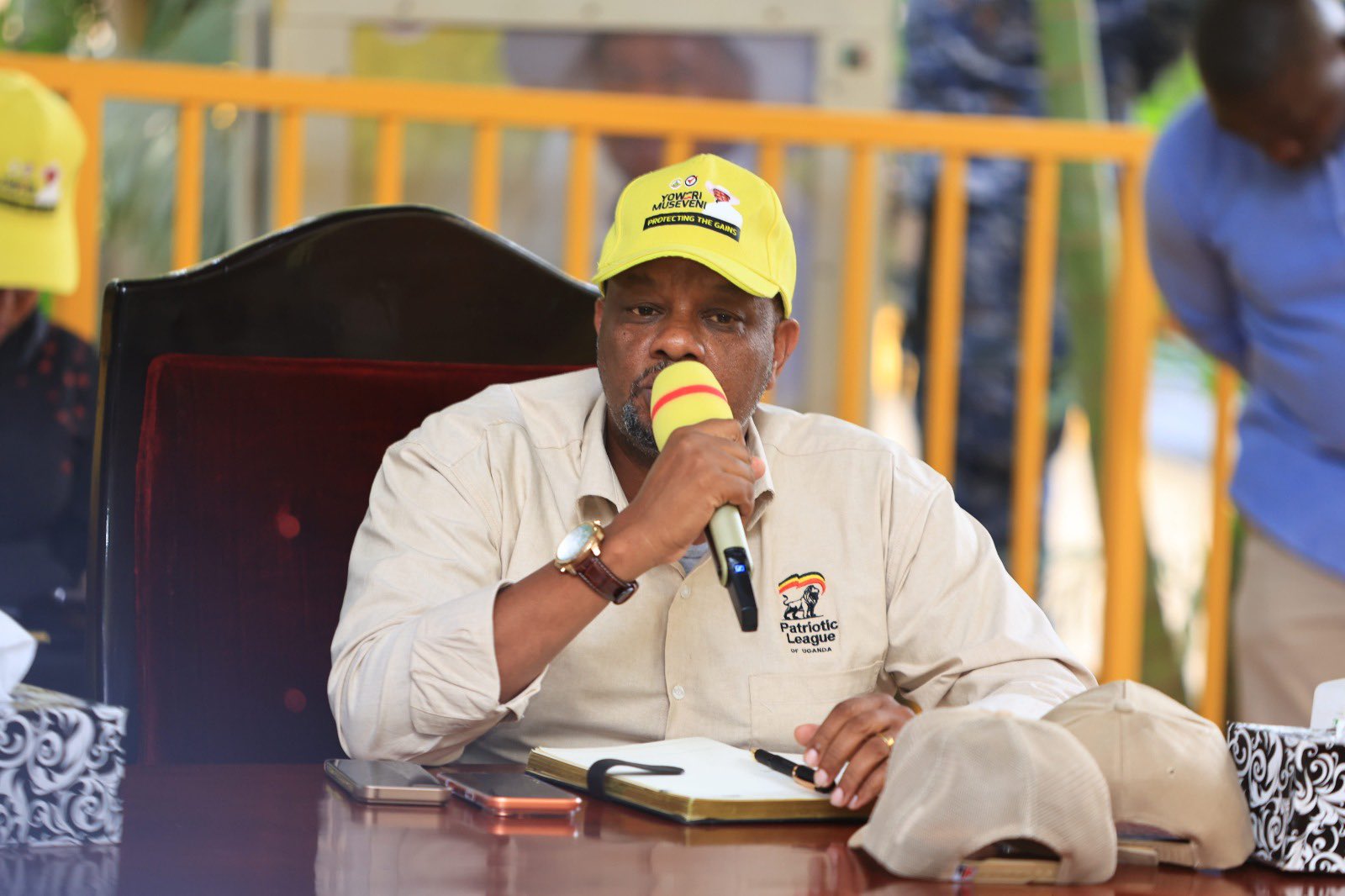

7th February 2024, the MK Movement formally rebranded as the Patriotic League of Uganda (PLU), a moment that marked both continuity and renewal in Uganda’s political and civic life. The launch, held in Naguru, Kampala, brought together hundreds of supporters, lawmakers, and civic actors under one banner, pledging to rekindle patriotism, unity, and active citizenship across the country.
At the event, Capt. Mike Mukula, the chief guest and former NRM’s vice chairperson for the Eastern Region, delivered a defining message that underscored PLU’s spirit. He reminded young Ugandans about the importance of generational responsibility and proud patriotism, saying:
“You can have a quarrel with your government, but never have a quarrel with your country… Be patriotic like this new league.”
Mukula’s words resonated across the crowd, framing PLU as a movement of national pride and renewed civic duty rather than just another political formation.
Hon. Michael Mawanda, representing the Central Organizing Committee, further underscored PLU’s objectives, emphasizing its civic mission:
“We hereby constitute ourselves into a civic organization and assume and adopt a new identity… working towards reviving in Ugandans a spirit of good citizenship, national pride, national service… and protection of the environment.”
His statement framed PLU not as a partisan entity but as a platform to mobilize Ugandans toward service, unity, and social responsibility.
Two years on, Hon. David Kabanda, PLU’s Secretary General, has been a consistent voice on its evolving role. In statements over the past year, Hon Kabanda has articulated a dual focus for the league deepening civic engagement while strategically participating in national political processes:
“We are working in unity for the future of this country… PLU remains committed to peaceful, inclusive, and lawful political engagement.”
Hon Kabanda’s framing reflects PLU’s position as both a civic movement and a pressure group with influence in national discourse, often coordinating with other political actors ahead of key electoral cycles.
Over that two‑year span, PLU’s activities have ranged from organising community programs to rolling out leadership structures across regions. While the movement maintains its civic branding, its presence alongside mainstream political developments and high‑profile endorsements has made it a voice worth watching in Uganda’s evolving public sphere.
PLU’s journey from a grassroots support movement to a nationwide civic league illustrates both the challenges and potential of translating patriotic ideals into tangible social influence. The early launch quotes from Mukula, Mawanda, and Kabanda continue to shape its narrative, a narrative grounded in patriotism, unity, and a call to service for all Ugandans.
As PLU continues to define its role, the challenge ahead will be to sustain this momentum by engaging citizens with clear objectives, credible leadership, and a unifying purpose that goes beyond its founding momentum.