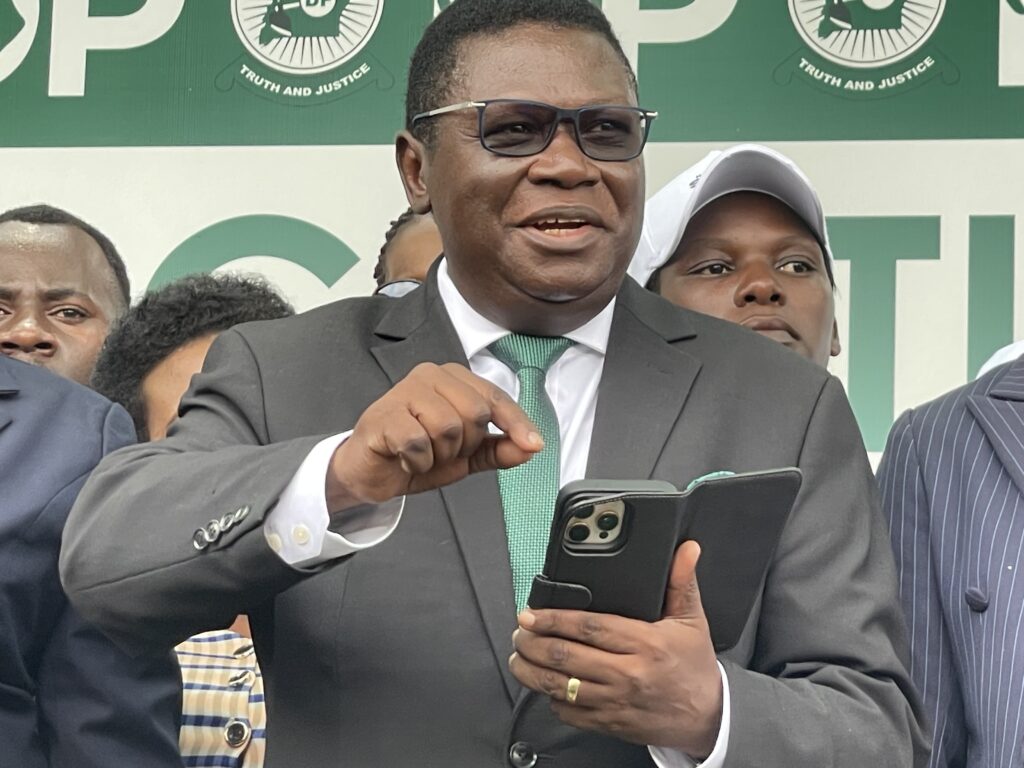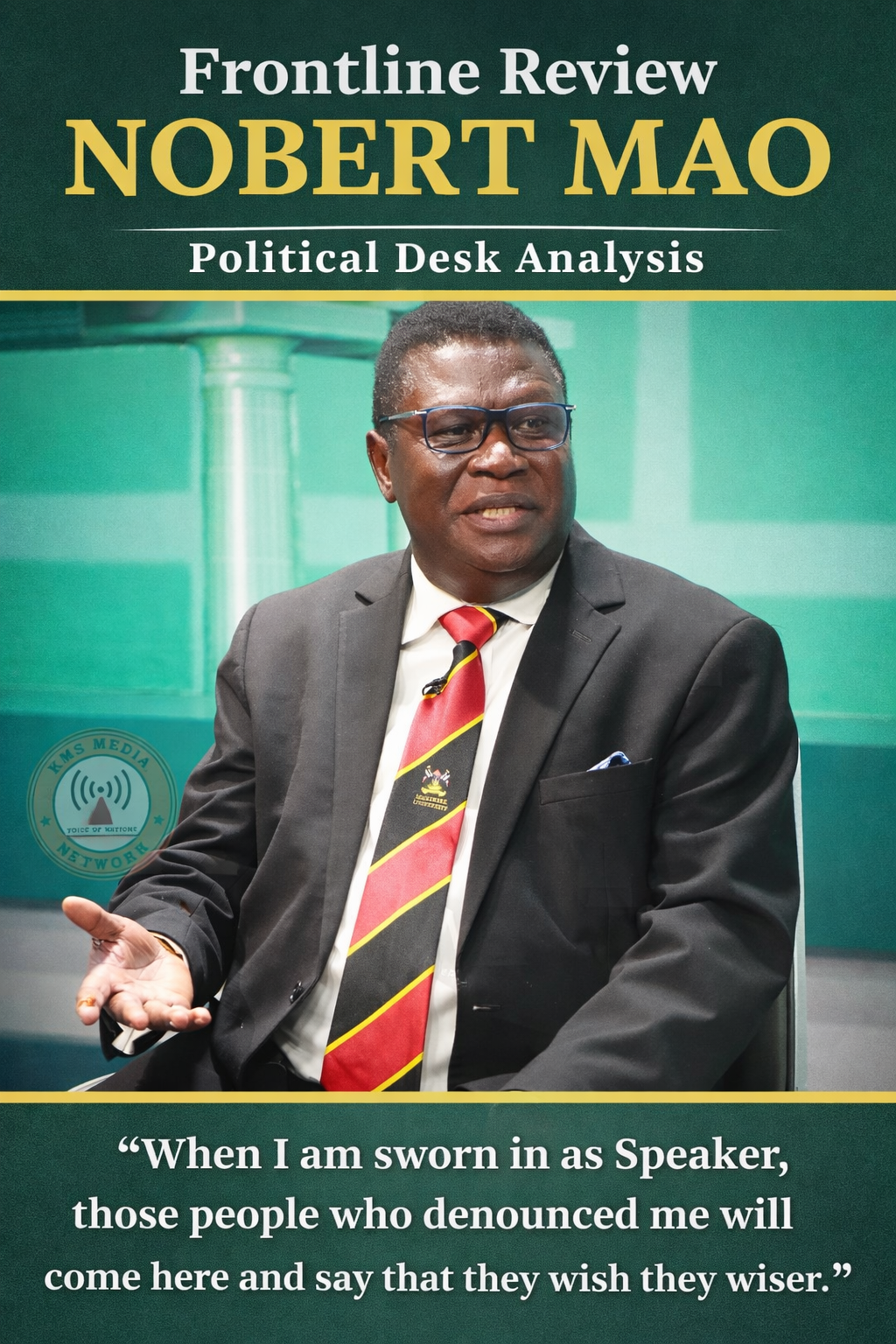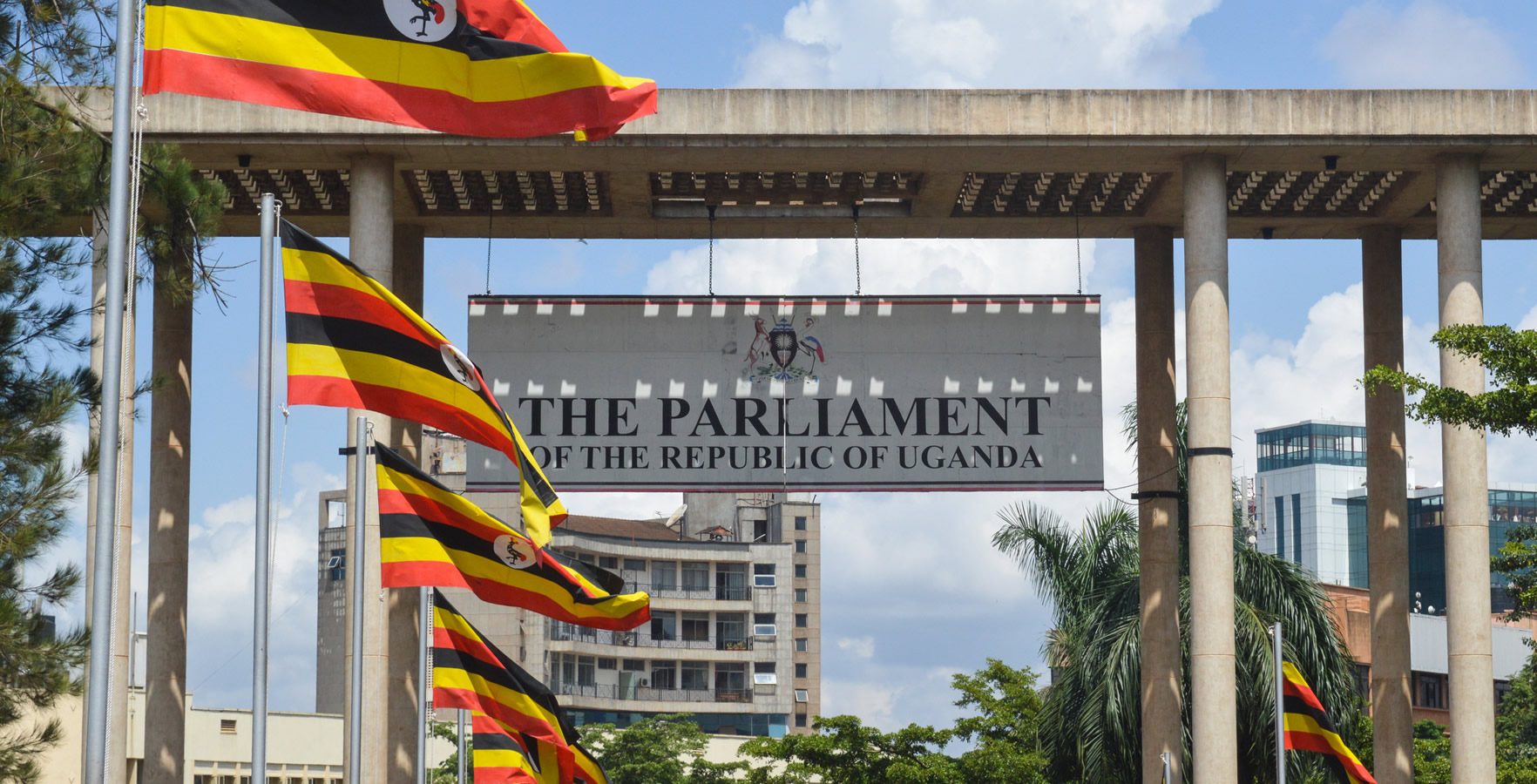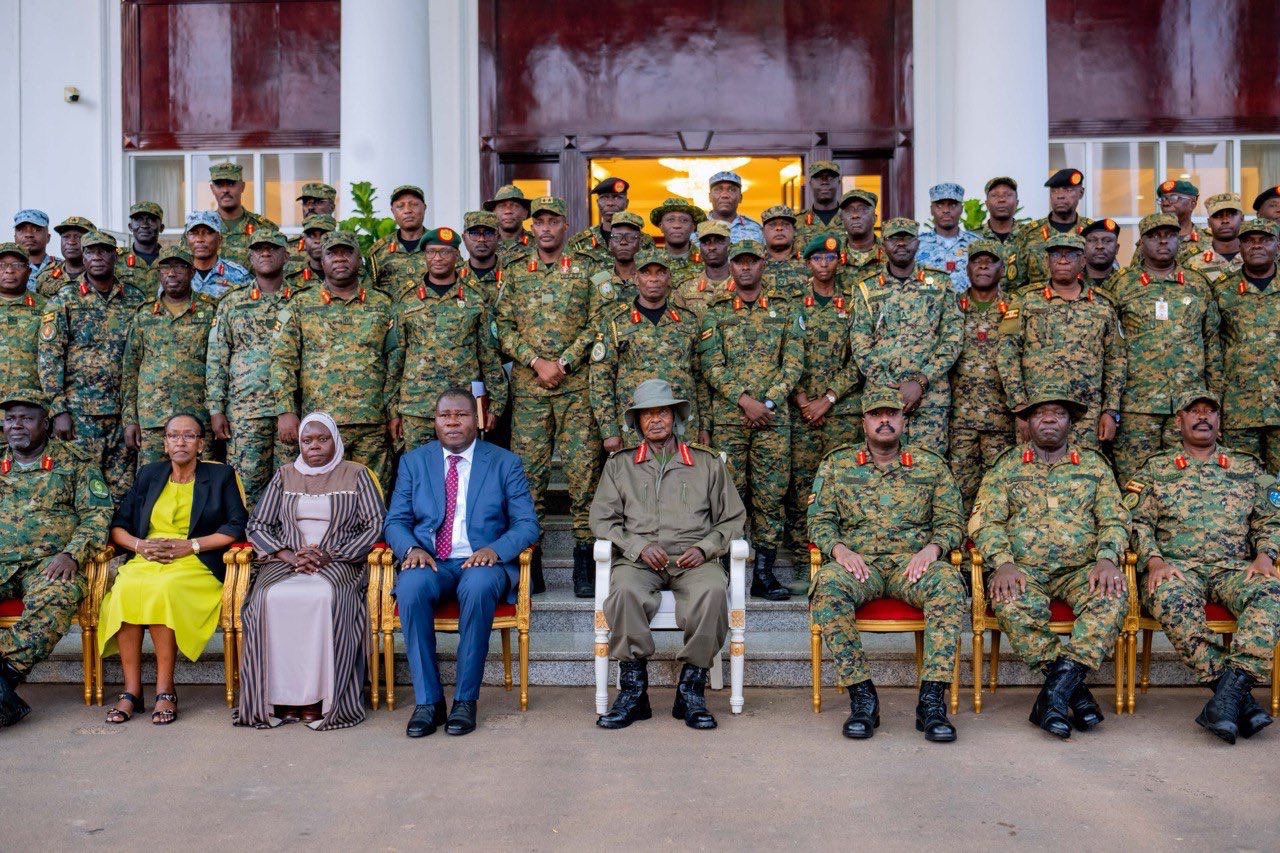

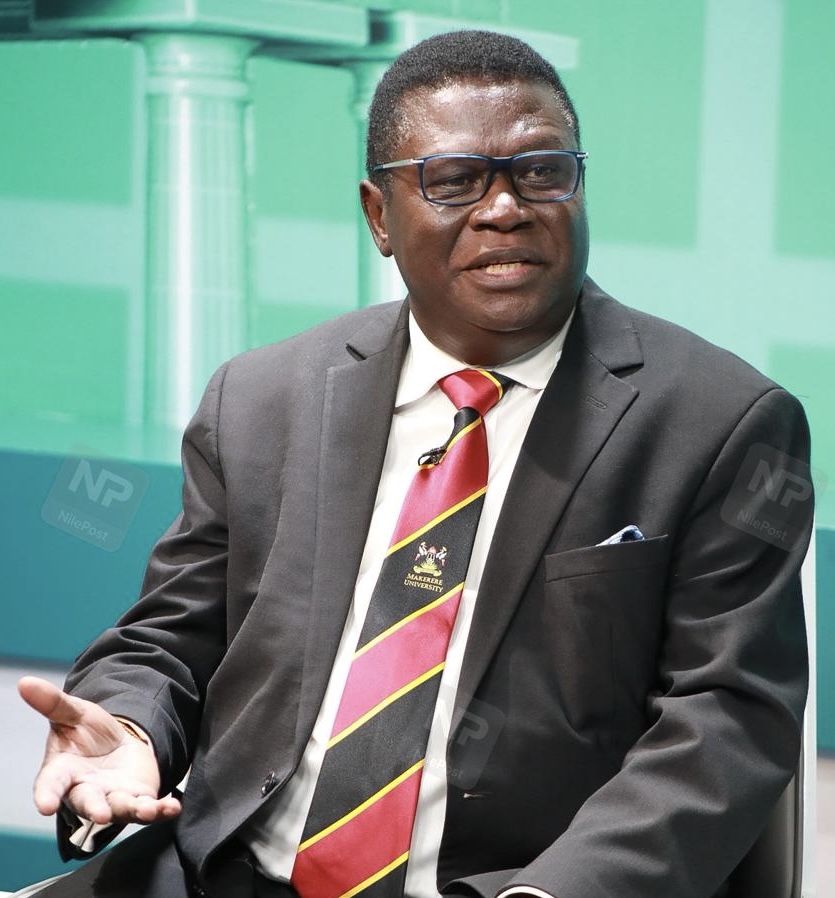
In Uganda’s evolving contest for the Speakership of the 12th Parliament, few voices have been as assertive and as provocative as that of Hon.Norbert Mao. A seasoned opposition figure turned cooperation partner of the ruling establishment, Mao’s latest remarks signal both ambition and a calculated attempt to redefine the politics of parliamentary leadership.
This Frontline Review dissects his statements, contextualizes their meaning, and evaluates their implications for Uganda’s governance landscape.
“When I Am Sworn In…”
“When I am sworn in as Speaker, those people who denounced me will come here and say that they wish they were wiser.”
This is not merely confidence it is strategic messaging. Mao frames his bid as inevitable, projecting victory even before the internal processes conclude. Politically, this does three things:
- Signals viability – He wants both DP and NRM power centers to treat him as a serious contender.
- Challenges critics – Especially those within his own party who question his alignment with government.
- Positions himself as vindicated reformist – Suggesting that opposition to him is shortsighted.
It echoes a familiar theme in Ugandan politics: leaders who initially face skepticism but later claim moral or strategic vindication.
“Wearing DP Uniform in the NRM Army”
“In AMISOM, all the parties wear uniforms of their respective countries but have a common goal. I am wearing the DP uniform in the NRM army for the goal of uniting Uganda.”
Here Mao uses the African Union Mission in Somalia (AMISOM) analogy to justify his political cooperation with the ruling National Resistance Movement (NRM).
The metaphor is deliberate:
- DP remains distinct, symbolized by its “uniform.”
- NRM represents the larger military structure, where collaboration is tactical.
- The goal is national unity, not partisan absorption.
Critically, this statement attempts to reassure Democratic Party loyalists who fear ideological dilution. At the same time, it reassures NRM insiders that he is not entering as an adversary but as a cooperative partner.
However, the metaphor also exposes a power imbalance: in any army, command structures matter. Who commands whom?
On “Uniform Videos” and Campaign Legality
“We had elections for Speaker without all this hullabaloo… It is illegal to campaign for the Speakership role.”
Mao’s reference to “uniform videos” appears to criticize coordinated endorsements especially those perceived to originate from organized political or military-aligned factions.
His legal argument is notable:
Under parliamentary norms, the Speakership should be decided internally, not through public campaigns resembling presidential elections.
By invoking legality and decorum, Mao positions himself as:
- A procedural purist
- A defender of institutional integrity
- A contrast to what he describes as “life and death” factionalism seen in NRM CEC contests
The indirect implication is that excessive public mobilization undermines parliamentary independence.
The Mbidde Dispute and DP Legitimacy
Mao directly challenges Fred Mukasa Mbidde, who questioned whether his Speakership bid was endorsed by DP.
Mao’s counterargument is tactical:
- DP previously lacked numbers to secure an East African Legislative Assembly (EALA) seat independently.
- Mbidde’s own election, he argues, came through negotiation.
- Therefore, negotiation for Speakership is legitimate political practice.
This reframes the debate from endorsement purity to political pragmatism.
In essence, Mao is saying: Politics is negotiation and precedent supports my approach.
The Obote–Museveni Analogy
“Don’t be like Obote who said that because Museveni lost an MP seat he wasn’t fit to be President.”
Mao references Milton Obote and Yoweri Kaguta Museveni to caution against narrow political judgment.
The historical lesson he invokes:
- Electoral setbacks do not define leadership capacity.
- Political resilience matters more than temporary defeat.
By invoking this episode, Mao subtly compares himself to President Museveni in terms of perseverance, a strategic appeal to NRM loyalists who revere the President’s long political journey.
“What Is Influencing Decisions?”
“The valid question is, what is it that is influencing decisions?”
This is perhaps Mao’s most loaded statement.
Without naming actors, he hints at:
- Invisible power centers
- External influence
- Institutional capture
It is both a challenge and an invitation challenging decision-makers to act transparently, while inviting reform-minded MPs to question entrenched interests.
Cooperation Agreement: DP and NRM
Mao underscores the formal cooperation agreement between DP and NRM. His argument is procedural:
- DP is a legitimate partner.
- The agreement allows DP to introduce issues.
- The Speakership bid is one such issue.
- Therefore, his name deserves consideration within NRM’s shortlist.
This is less about entitlement and more about political arithmetic.
He acknowledges:
“I don’t have a right to impose anything on NRM.”
But he insists on inclusion not imposition.
“Speakership Has Nothing to Do With Party”
“Speakership of Parliament has nothing to do with a Political Party. That’s the way it should be.”
This is Mao’s constitutionalist argument.
The Speaker:
- Presides over all MPs.
- Must be impartial.
- Must protect minority voices.
- Must defend parliamentary rules above party loyalty.
By detaching the office from party identity, Mao reframes himself from “DP candidate” to “national candidate.”
Yet Uganda’s political reality complicates this ideal: parliamentary leadership has historically been influenced by ruling party structures.
Strengths of Mao’s Position
- Experience in Opposition and Government. Few politicians straddle both spaces.
- Legal and constitutional grounding. His rhetoric emphasizes rules.
- Negotiation track record. He openly embraces coalition politics.
- Narrative of resilience. He presents himself as battle-tested.
Challenges He Faces
- Perception of ideological shift. Some DP loyalists remain skeptical.
- NRM internal power dynamics. Ultimate decisions may lie beyond procedural debate.
- Numerical arithmetic. Speakership is decided by MPs, not rhetoric.
- Influence networks. His own question about “what influences decisions” may apply to his bid.
The Larger Question
Mao’s central thesis is clear:
- The Speakership should not be militarized.
- It should not be reduced to party endorsement theatrics.
- It should be anchored in constitutional integrity.
But Ugandan politics rarely unfolds in pure constitutional logic. It blends law, power, negotiation, symbolism, and strategic loyalty.
Conclusion: A Calculated Bid for Institutional Reform
Norbert Mao’s Speakership campaign is not merely about winning a seat. It is about reframing the narrative.
He is presenting himself as:
- A unifier between DP and NRM.
- A defender of parliamentary rules.
- A negotiator in a polarized environment.
- A truth-speaker, even when inconvenient.
Whether this translates into votes will depend less on public rhetoric and more on internal alignments within the 12th Parliament.
But one thing is clear: Mao has placed himself squarely at the center of the debate and forced both allies and critics to respond.
In Uganda’s parliamentary chessboard, he is not playing defensively. He is playing to checkmate.