
At the National Resistance Movement (NRM) leadership retreat in Kyankwanzi, what began as routine party reflection has evolved into a revealing contest over authority, hierarchy, and the unwritten rules of political succession. Recent remarks from President Yoweri Kaguta Museveni, Rt.Hon.Anita Annet Among, and Hon.Norbert Mao have not only exposed fault lines within the ruling party political establishment but, also ignited deeper questions about governance, coalition-building, and institutional independence.
The President’s Calculated Ambiguity
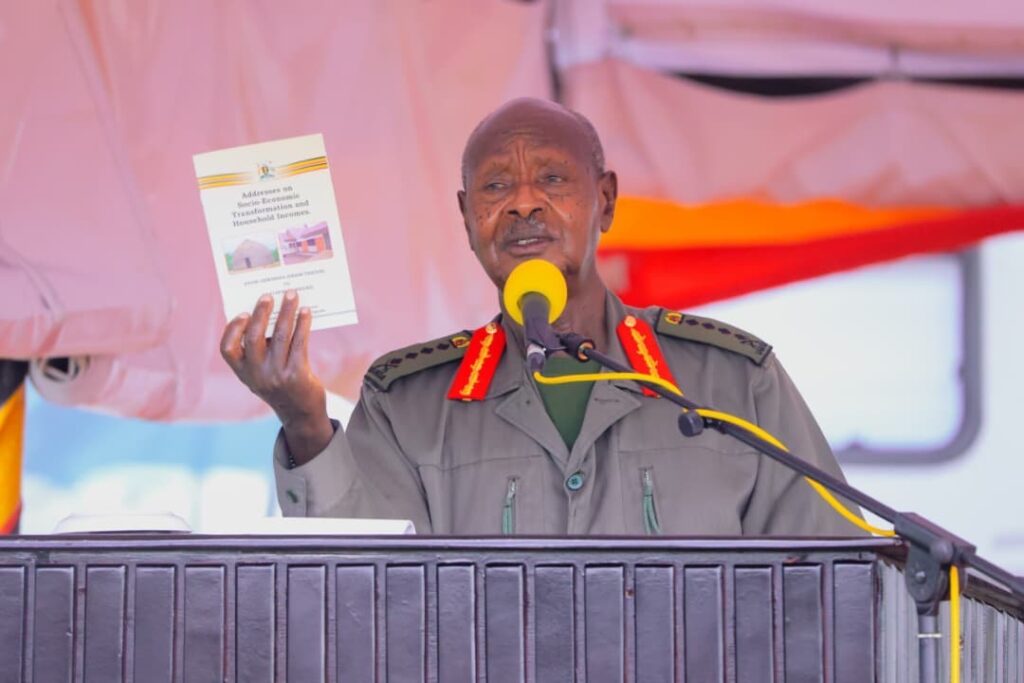
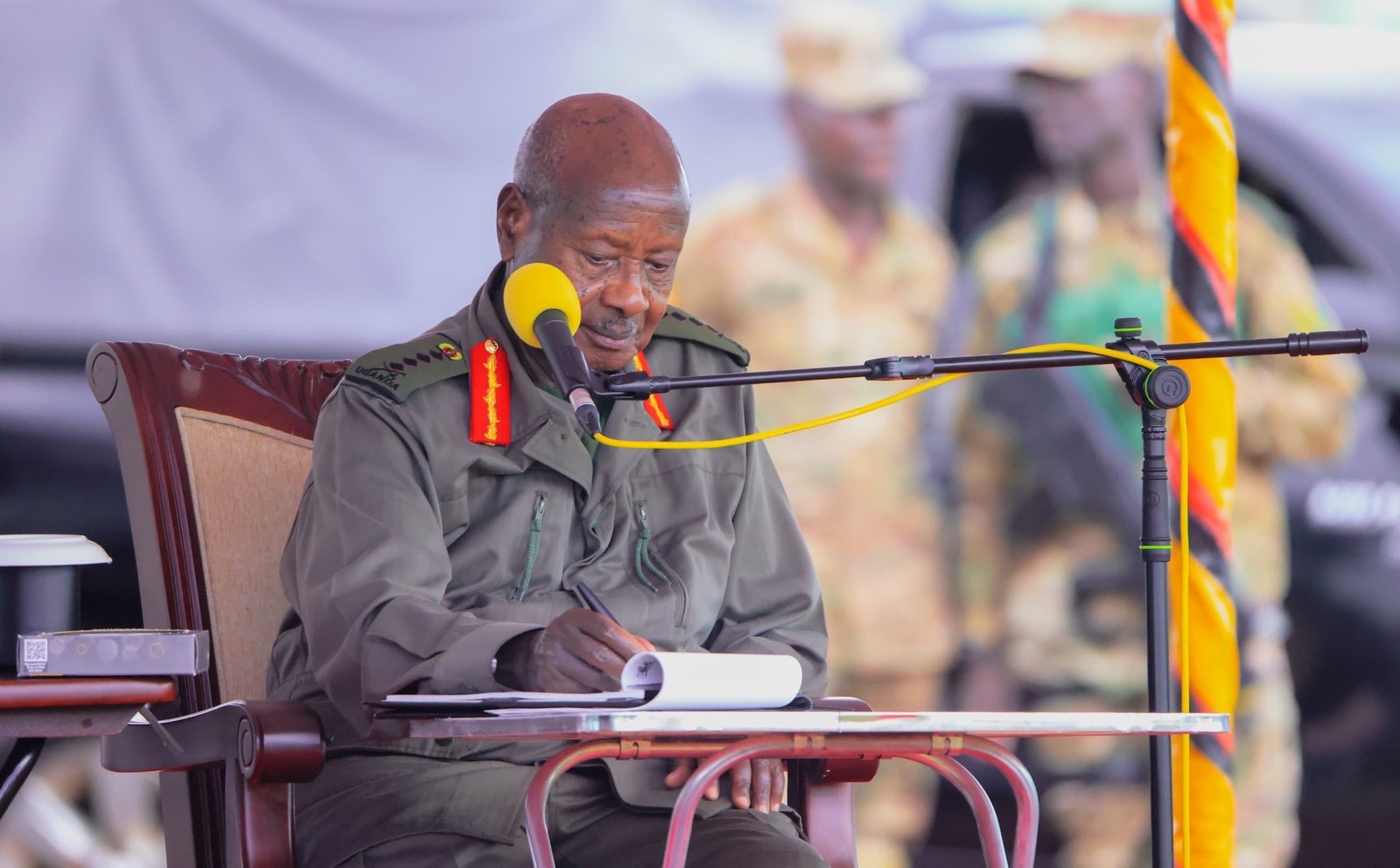
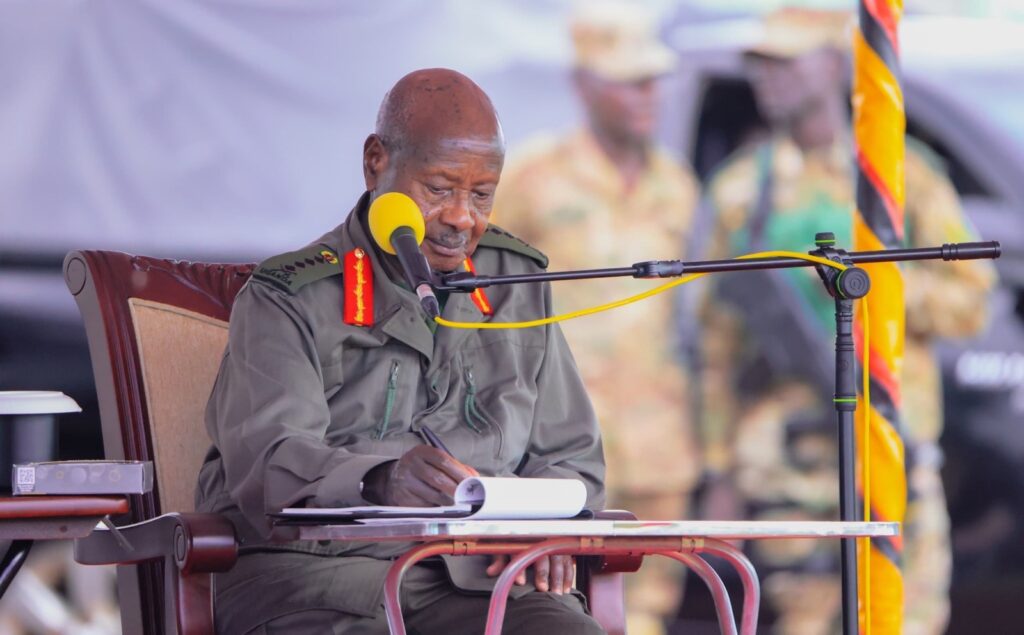
President Museveni’s measured, cautious, and deliberately non-committal signals a strategy that has defined his leadership: “control through timing”. By emphasizing that the Speakership question “shall be discussed at the appropriate time,” while referencing the Central Executive Committee (CEC)’s preference for maintaining the “current arrangement,” President Museveni effectively keeps all factions in suspense.
This idea is not accidental. It preserves his role as the ultimate arbiter, ensuring that no single camp consolidates power prematurely. In Uganda’s political architecture, where formal processes often intersect with informal influence, President Museveni’s restraint is itself a form of control. It suggests that the Speakership is less a parliamentary matter and more a strategic lever within the broader NRM ecosystem.
Rt.Hon.Anita Among and the Politics of Territorial Power
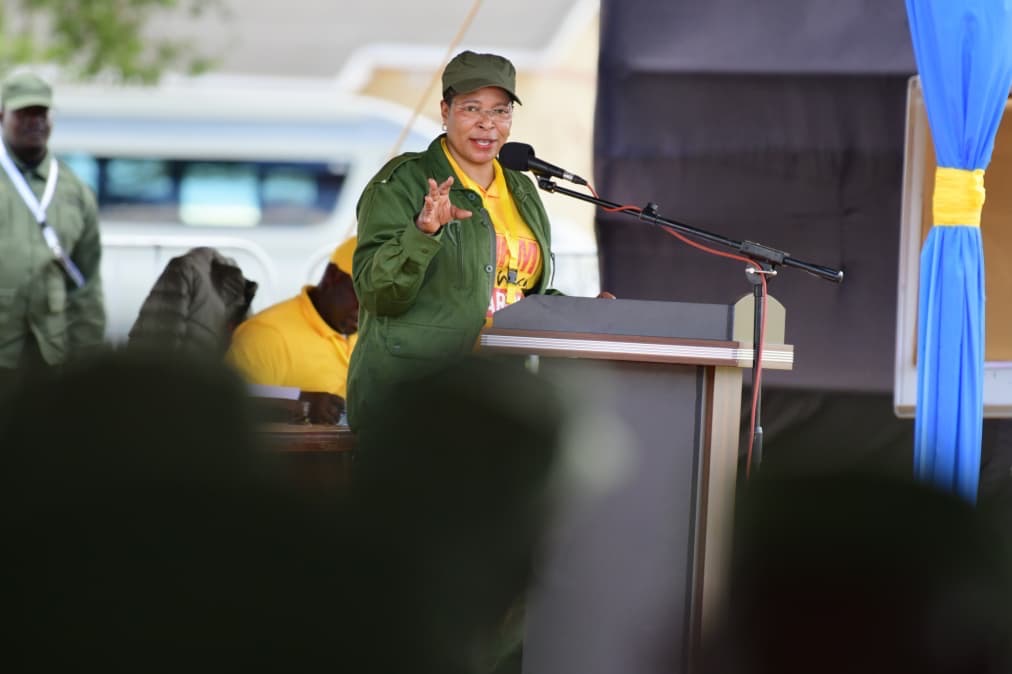
Speaker Anita Among’s metaphor drawing a line between “the compound” and “the bedroom” has become the defining soundbite of the retreat. While controversial, it is deeply instructive.
Her message is clear: cooperation has limits. In a political environment where alliances between parties particularly between the NRM and elements of the opposition have become more fluid, Among is asserting a boundary around the Speakership as a non-negotiable stronghold of the ruling party.
But the language matters. By framing the Speakership as an intimate, protected space, she elevates it beyond a procedural role into a symbol of political sovereignty. This rhetoric risks undermining the spirit of multiparty democracy, suggesting exclusion rather than engagement. Supporters, however, see it as a necessary defense of party dominance in a system where numerical strength must translate into institutional control.
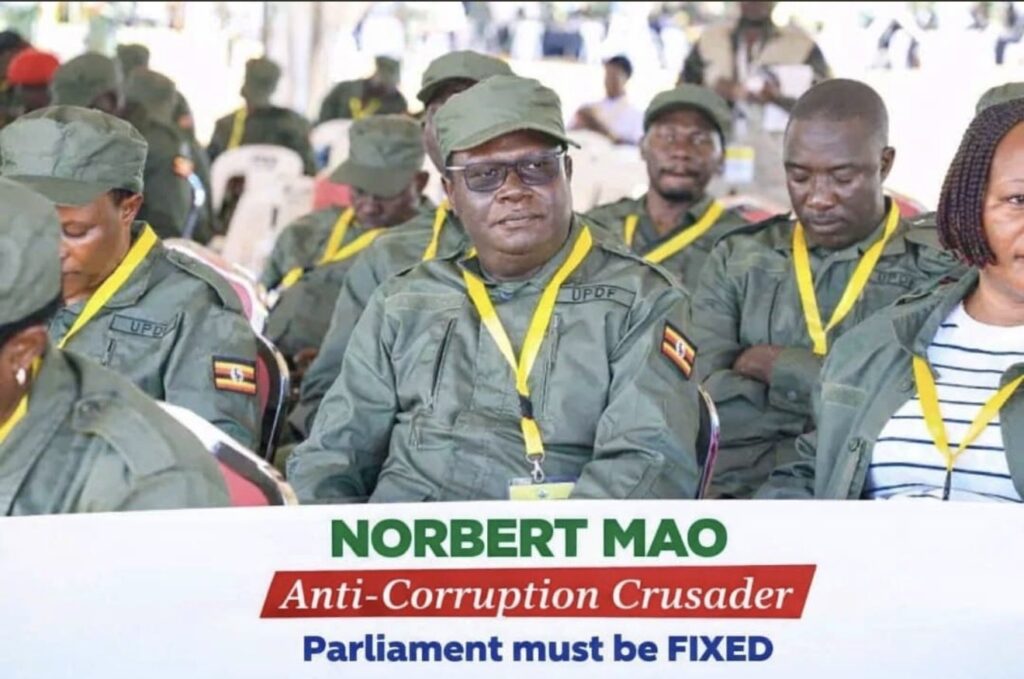
Hon.Norbert Mao’s Rebuke: Coalition Politics Under Strain
Hon.Norbert Mao’s response introduces a different dimension one of political etiquette and coalition sensitivity. His analogy of “the head of the family” and “a recently adopted child” is both a critique and a warning.
As a leader from outside the NRM who has entered into a cooperation agreement with the government, Mao’s remarks reflect the delicate balance of Uganda’s evolving political alliances. His argument is not merely about respect; it is about the sustainability of political partnerships.
By accusing Among of insulting “your father’s visitors,” Mao implies that dismissive rhetoric toward cooperating partners risks weakening the very alliances that the NRM has cultivated to broaden its legitimacy. In essence, he is challenging the ruling party to reconcile dominance with diplomacy.
Beneath the Surface: What Is Really at Stake
At its core, the Speakership race is not just about who presides over Parliament. It is about:
- Control of legislative agenda: The Speaker plays a pivotal role in determining which debates are prioritized and how parliamentary procedures are interpreted.
- Symbolic authority: In many respects, the Speakership represents the face of parliamentary independence or its limits.
- Succession politics: Within the NRM, positions like Speaker often signal broader political trajectories, including future leadership alignments.
The current discourse suggests a tension between three competing forces:
- Centralized authority (embodied by President Museveni’s final say),
- Institutional control (defended by Rt.Hon.Among), and
- Coalition legitimacy (advocated by Hon.Mao).
A Catalyst for Global Reflection
While deeply rooted in Uganda’s political context, the unfolding debate resonates far beyond its borders. Across many democracies particularly in Africa similar questions persist:
- How should ruling parties balance dominance with inclusivity?
- What are the limits of political cooperation in multiparty systems?
- Can legislative institutions maintain independence in the shadow of executive power?
Uganda’s Speakership contest offers a case study in these universal dilemmas. It challenges the assumption that democratic processes are purely procedural, revealing instead the intricate interplay of personality, power, and perception.
Conclusion: The Quiet Battle Ahead
As the Kyankwanzi retreat continues, no definitive answer has emerged on the Speakership. But perhaps that is the point.
The real contest is unfolding not in formal declarations but in coded language, strategic silences, and competing narratives. President Museveni holds the clock, Rt.Hon.Among defends the territory, and Hon.Mao questions the rules of engagement.
What happens next will not only shape Uganda’s Parliament but also provide critical insights into how modern political systems negotiate power in an age where alliances are fluid and authority is constantly contested.
The world is watching not for the outcome alone, but for what it reveals about the evolving nature of democracy itself.