
There is an uncomfortable truth many know, but few are willing to confront.
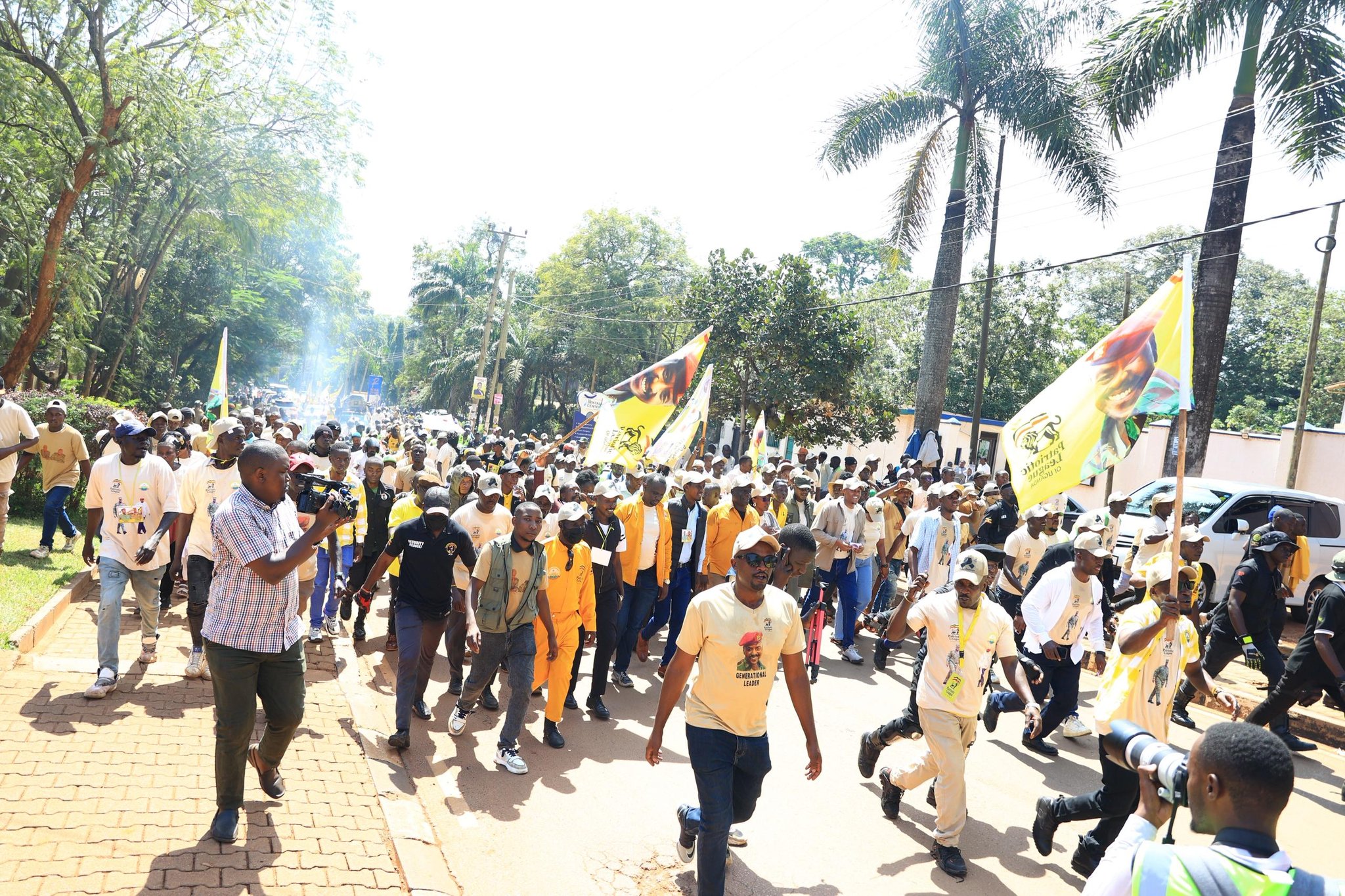
The story of the Patriotic League of Uganda (PLU) did not begin in boardrooms or formal structures it was born in sacrifice, energy, and grassroots mobilization. Long before the name became widely recognized, there were individuals and teams who took bold, decisive steps within informal groups that would later evolve into what we now know as PLU.
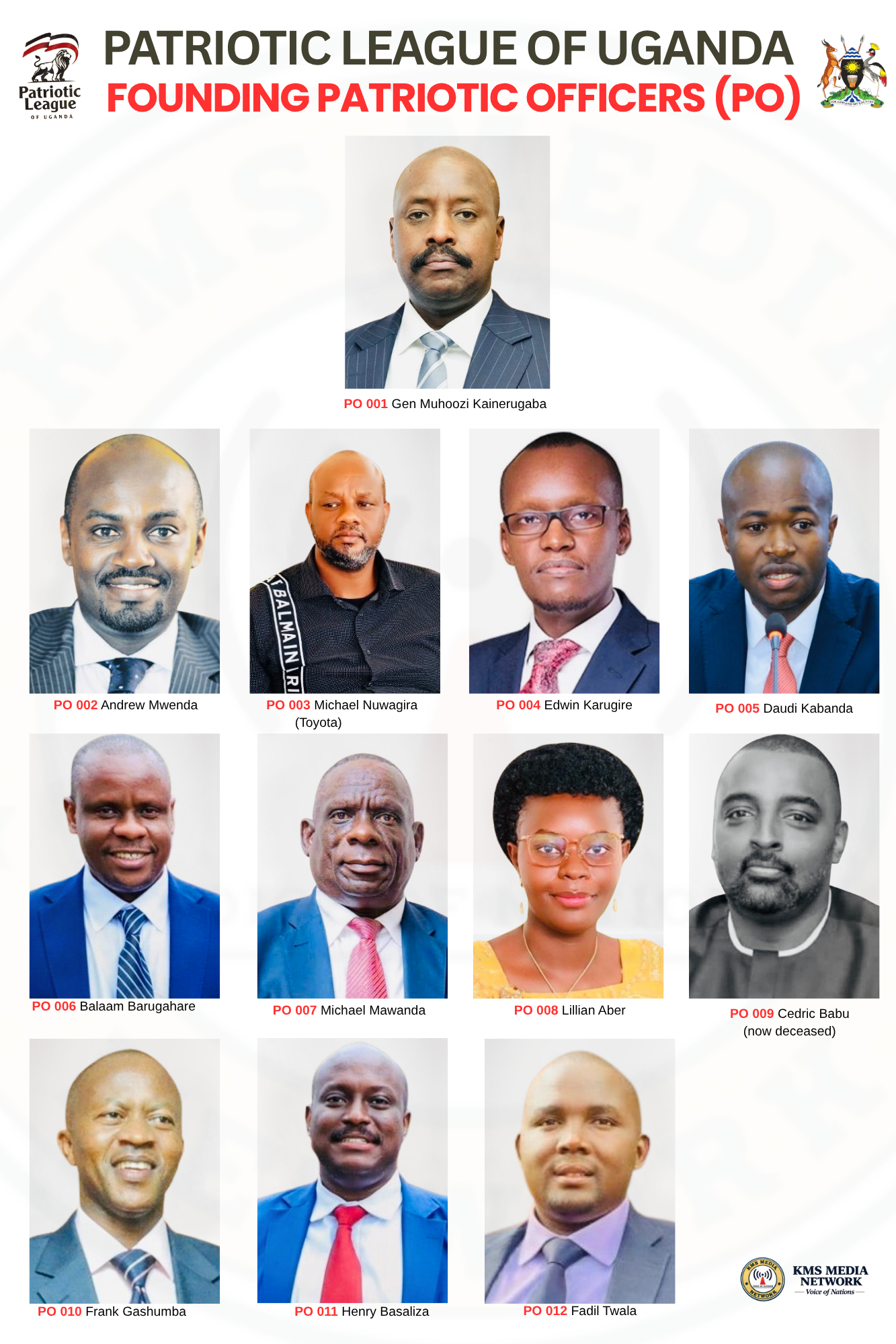
Those early days were defined by action. Chairman Toyota’s landmark birthday event at Lugogo Cricket Oval in 2022 stands out as one of the first major turning points. Not long after, Hon. Balaam Barugahara amplified that momentum with another massive celebration in Bushenyi. These were not mere social gatherings; they were defining moments that ignited a movement.
Around these events, powerful teams emerged each bringing its own identity, energy, and mobilization strength. The MK Army under Hon. Balaam, the Team Chairman led by Chairman Toyota, the MK Avengers under Ambassador Katungi, and the Revolutionary Guards by Chairman Nzaire all played critical roles. Media personality Andrew Mwenda also stood prominently as a patron of the original MK Army. Together, they embodied the spirit of ‘nyekundire’ volunteerism driven by belief, not benefit.
Admittedly, there were disagreements among leaders. But these were not destructive; rather, they fostered a healthy sense of competition that kept the movement vibrant, active, and resilient. It was this internal dynamism that strengthened morale and expanded influence across the country.
Equally important and often misunderstood is how these activities were financed. Contrary to widespread assumptions, these events were not state-funded. They were powered by the personal resources of committed leaders. From Lugogo to Jinja and Arua, Chairman Toyota is said to have invested heavily in mobilization efforts. Hon. Balaam and Ambassador Katungi similarly committed significant personal resources to sustain and grow their respective teams. This was leadership defined not by entitlement, but by sacrifice.
It is against this backdrop that recent developments raise concern.
There is growing unease as some individuals many of them recent entrants into the movement appear to undermine the very leaders who built the foundation they now stand on. The question that arises is simple: if these founding figures were driven by selfishness, why did they recruit, mentor, and even recommend others for leadership positions?
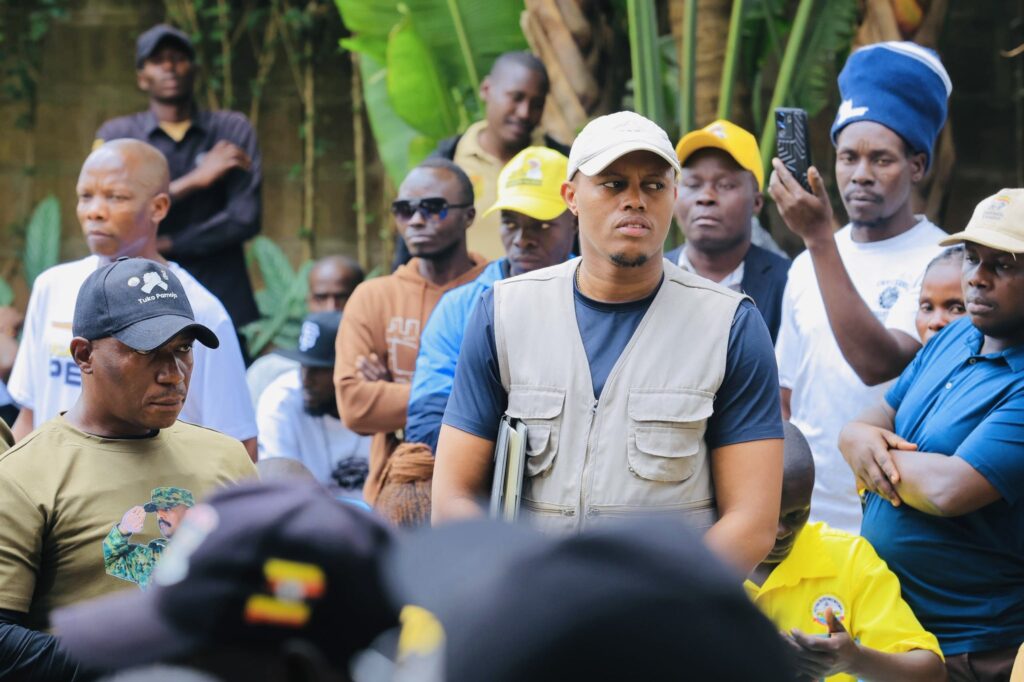
More troubling are the emerging divisions among foot soldiers. Allegations of coordinated attacks, claims that some supporters are being paid to discredit others, and the rise of superiority complexes among certain actors threaten to erode the unity that once defined PLU.
Respect, once a cornerstone of the movement, now appears unevenly applied.
Should loyalty to the cause be dictated by personal alliances? If leaders at the top disagree, must supporters inherit those differences as personal battles? These are questions that demand reflection. A movement built on inclusion cannot afford to devolve into factions driven by suspicion and control.
At its core, PLU has thrived because of its foot soldiers individuals who dedicate time, energy, and resources without expectation of reward, united by a shared commitment to Gen. Muhoozi Kainerugaba. To frustrate or sideline such individuals risks weakening the very engine of the movement.
Equally, there is a message for newer members stepping into prominence: humility remains essential. History has shown that positions of influence are temporary, but reputation endures. Today’s rising figure can easily become tomorrow’s ordinary citizen.
The path forward is clear, though not easy.
PLU must return to its founding values, unity, mutual respect, and collective purpose. Differences should not be weaponized, and leadership should not be reduced to contests for attention, especially on social media. The movement’s strength lies not in individual dominance, but in shared vision.
As the weekend unfolds, the call is simple: reflect, recalibrate, and rebuild the spirit that once made PLU a powerful force of cohesion and mobilization.
Because in the end, movements are not destroyed from outside they fracture from within.
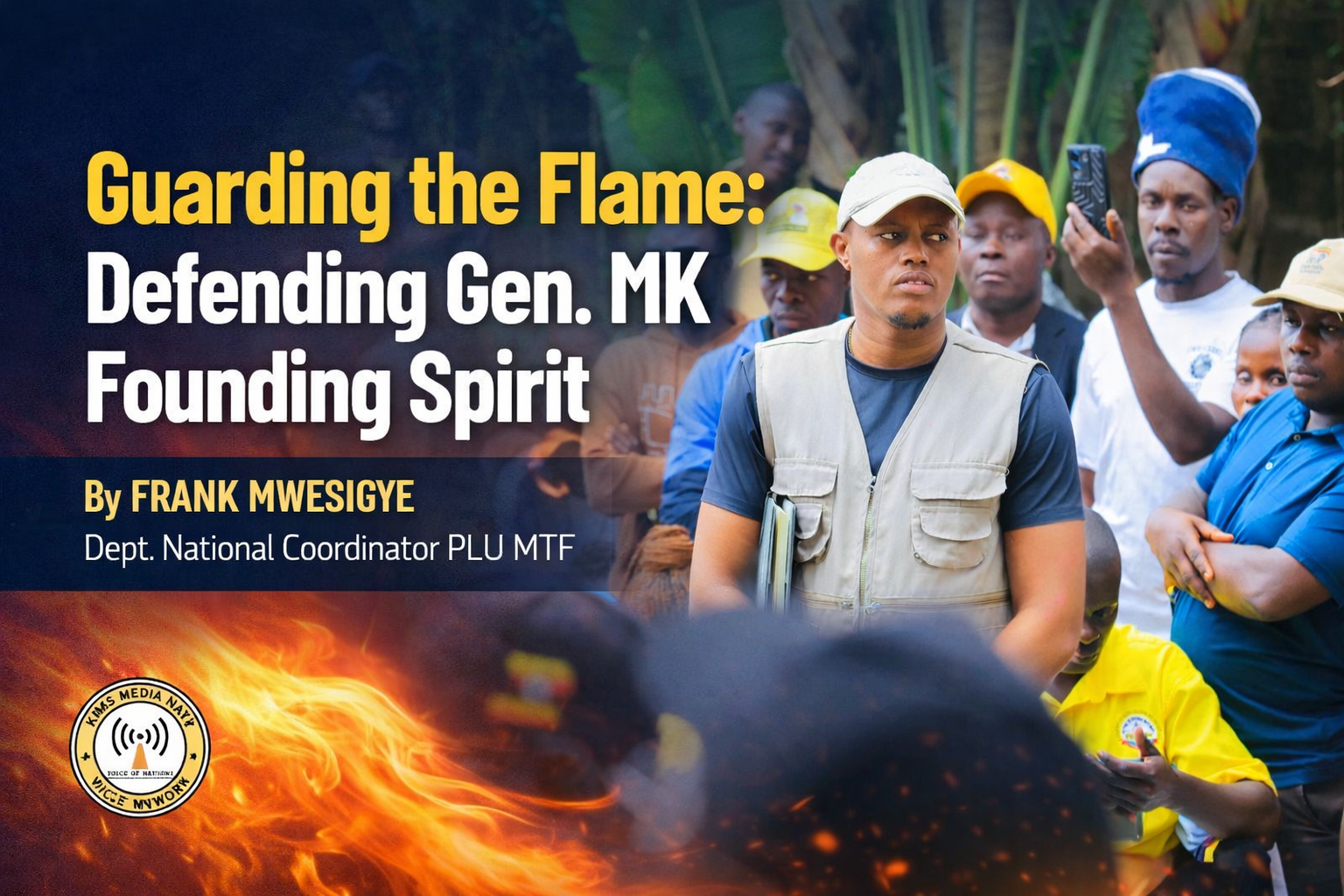
By Frank Mwesigye | Dept. National Coordinator PLU MTF