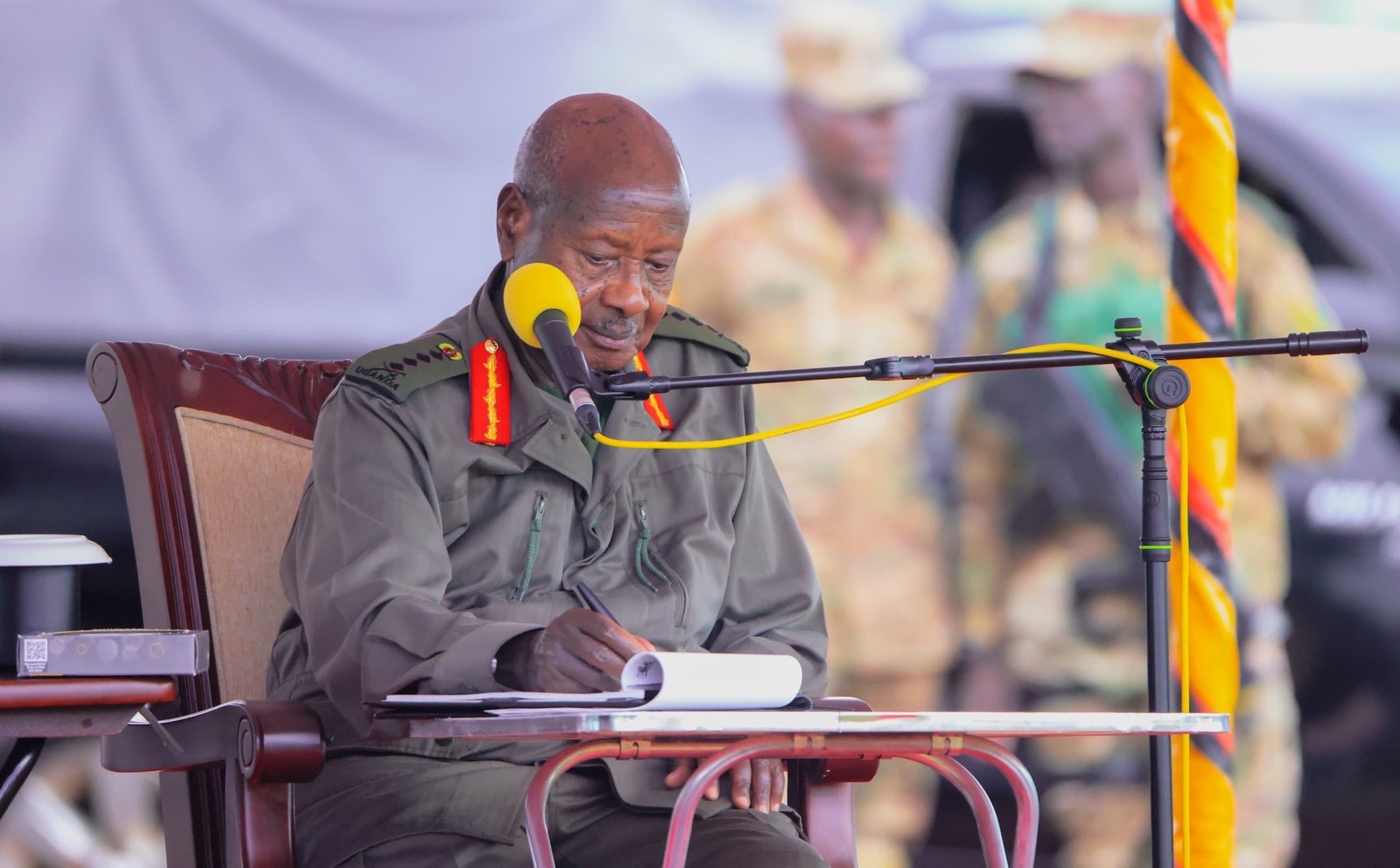

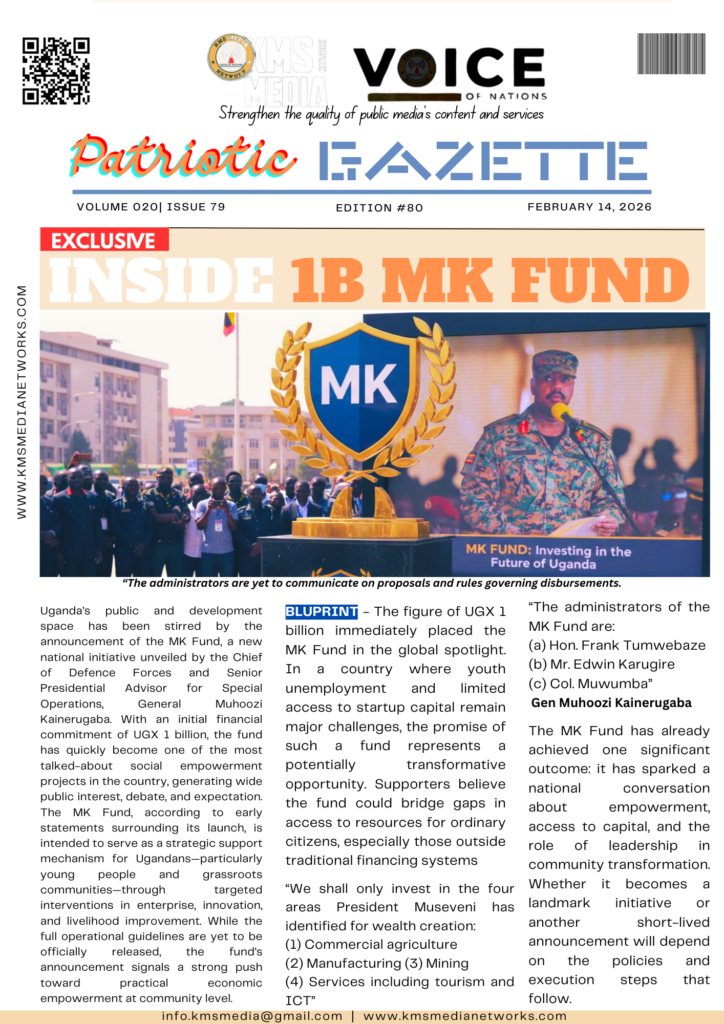
Uganda’s public and development space has been stirred by the announcement of the MK Fund, a new national initiative unveiled by the Chief of Defence Forces and Senior Presidential Advisor for Special Operations, General Muhoozi Kainerugaba.
With an initial financial commitment of UGX 1 billion, the fund has quickly become one of the most talked-about social empowerment projects in the country, generating wide public interest, debate, and expectation. The MK Fund, according to early statements surrounding its launch, is intended to serve as a strategic support mechanism for Ugandans particularly young people and grassroots communities through targeted interventions in enterprise, innovation, and livelihood improvement.
While the full operational guidelines are yet to be officially released, the fund’s announcement signals a strong push toward practical economic empowerment at community level.
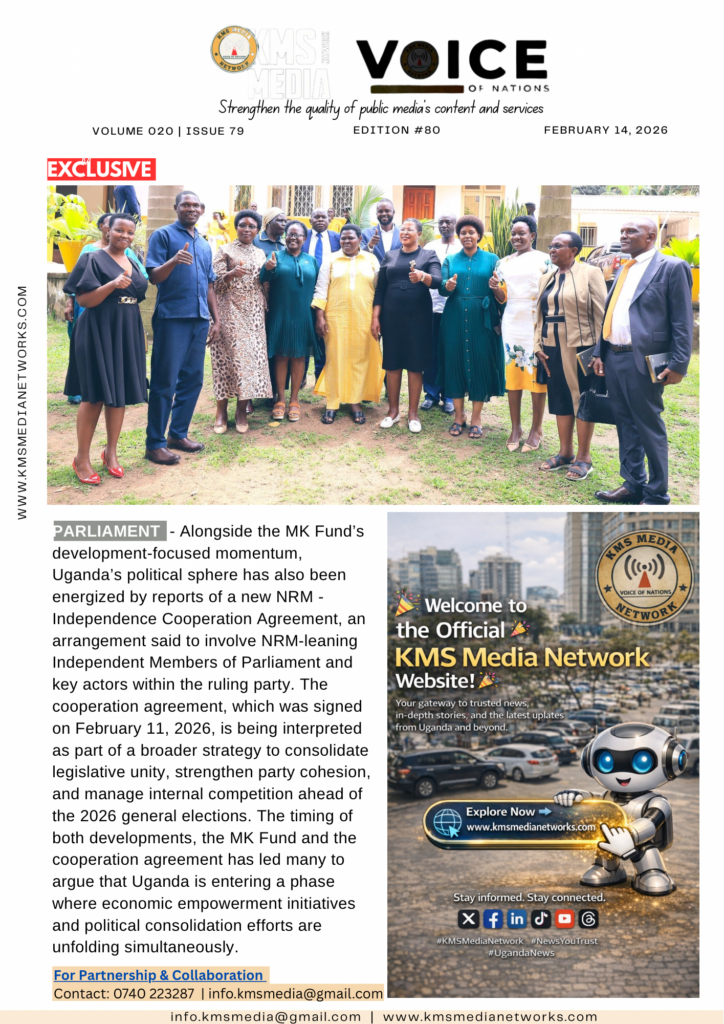
Alongside the MK Fund’s development-focused momentum, Uganda’s political sphere has also been energized by reports of a new NRM – Independence Cooperation Agreement, an arrangement said to involve NRM-leaning Independent Members of Parliament and key actors within the ruling party.
The cooperation agreement, which was signed on February 11, 2026, is being interpreted as part of a broader strategy to consolidate legislative unity, strengthen party cohesion, and manage internal competition ahead of the 2026 general elections.
The timing of both developments, the MK Fund and the cooperation agreement has led many to argue that Uganda is entering a phase where economic empowerment initiatives and political consolidation efforts are unfolding simultaneously.