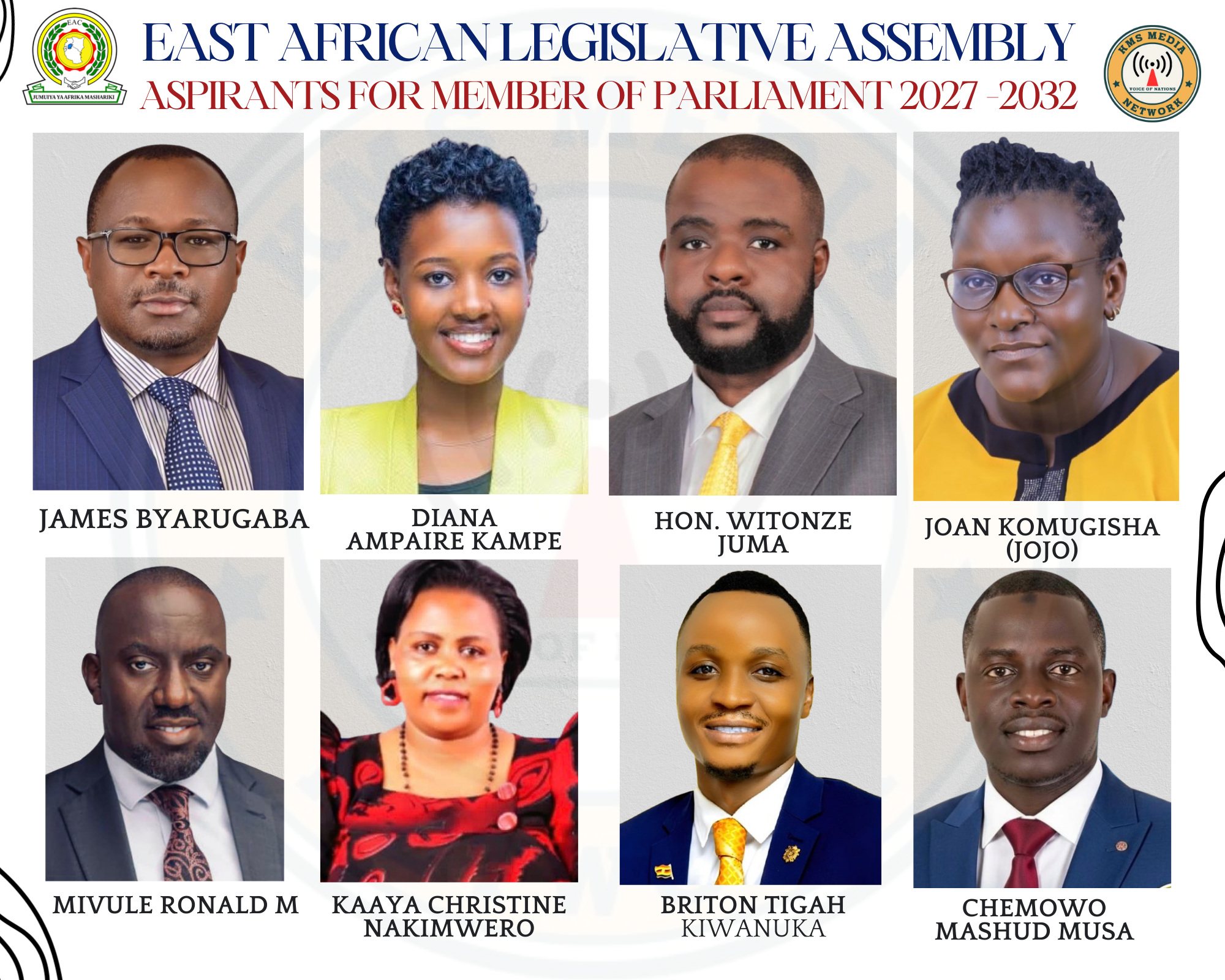

As Uganda prepares for the next election of representatives to the East African Legislative Assembly (EALA) for the 2027–2032 term, political lobbying and strategic positioning have already begun within the corridors of Parliament. The race has attracted several aspirants from different professional and political backgrounds, each hoping to secure the confidence of Members of Parliament who will ultimately elect Uganda’s delegation.
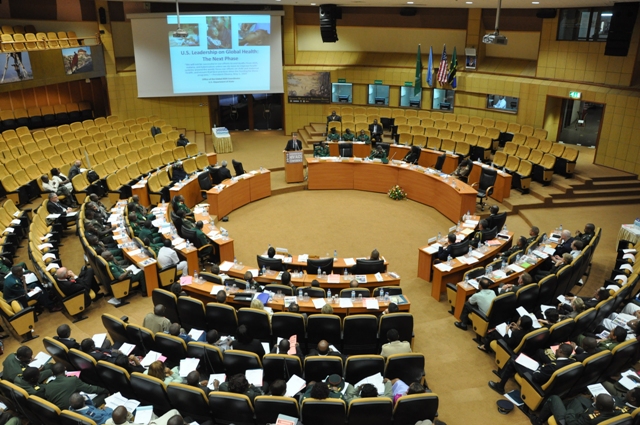
EALA is the legislative organ of the East African Community (EAC), tasked with debating and passing laws that guide regional integration among partner states including Uganda, Kenya, Tanzania, Rwanda, Burundi, South Sudan, the Democratic Republic of Congo, and Somalia. The Assembly plays a crucial role in shaping policies on trade, infrastructure, security cooperation, environmental protection, and economic development within the region.
Because of this mandate, the selection of Uganda’s representatives must go beyond political reward systems or popularity contests. The country requires individuals with legislative competence, diplomatic skill, regional integration knowledge, and the ability to articulate Uganda’s national interests on a regional stage.
KMS Media examines the backgrounds, strengths, and potential limitations of some of the individuals reportedly positioning themselves for the race.
James Byarugaba
James Byarugaba is known for his involvement in youth mobilization and community development initiatives. His leadership within civil society spaces and youth empowerment programs has earned him recognition among grassroots communities.
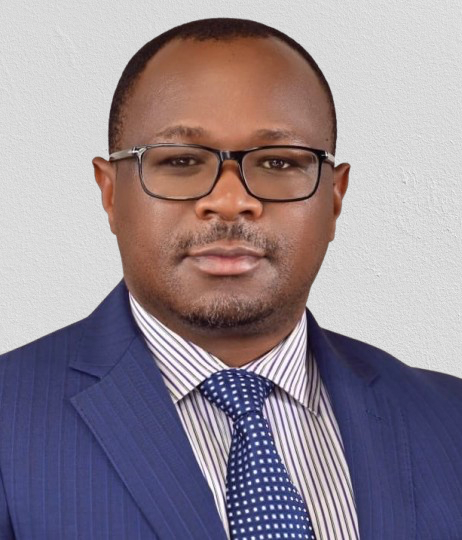
Byarugaba’s strength lies in his ability to connect with young people and mobilize grassroots support. His experience working with community-based initiatives demonstrates a commitment to social transformation and civic engagement.
However, EALA demands more than grassroots mobilization. The Assembly deals with complex regional legislation and cross-border diplomacy. Byarugaba’s public record shows limited engagement in international policy processes or regional legislative frameworks.
If elected, he would need to quickly develop expertise in regional economic policy, trade negotiations, and intergovernmental diplomacy.
Diana Ampaire Kampe
Diana Ampaire Kampe has emerged as a rising figure in Uganda’s youth leadership and political activism. Known for her strong advocacy for youth inclusion in governance, Kampe has built a reputation as a mobilizer capable of attracting large public support.

Her supporters say that she represents a new generation of leadership capable of bringing fresh perspectives to regional politics. Uganda’s youthful population could benefit from representation that understands the aspirations of young people in areas such as employment, innovation, and digital transformation.
Nevertheless, questions remain regarding her experience in legislative diplomacy and regional policy engagement. While political popularity is an advantage, EALA demands individuals who can effectively debate complex policy frameworks affecting multiple nations.
Kampe’s candidacy would likely resonate strongly with reform-oriented legislators seeking generational change in leadership.
Hon. Witonze Juma
Honorable Witonze Juma is among the aspirants seeking support within parliamentary networks. With experience in public leadership and political engagement, he presents himself as a candidate capable of representing Uganda’s interests at the regional level.

However, public documentation about his involvement in regional integration initiatives or East African Community affairs remains limited. This lack of a clear policy footprint may pose a challenge in convincing legislators that he possesses the necessary expertise for regional legislative work.
For Juma, the campaign will likely depend heavily on political alliances within Parliament.
Joan Komugisha (Jojo)
Joan Komugisha, popularly known as Jojo, is another aspirant who has gained recognition for her communication skills and grassroots political engagement.

Komugisha is widely regarded as a dynamic mobilizer capable of engaging communities and influencing political discourse. Her ability to connect with different audiences could serve as an asset in representing Uganda’s voice within the East African legislative environment.
However, similar to several other aspirants in the race, analysis shows that her policy engagement at the regional level has not yet been clearly established. For EALA representation, legislators may look for demonstrable experience in regional policy, governance, or diplomacy.
Mivule Ronald M
Mivule Ronald has previously expressed interest in the East African Legislative Assembly and has participated in political processes related to regional representation.
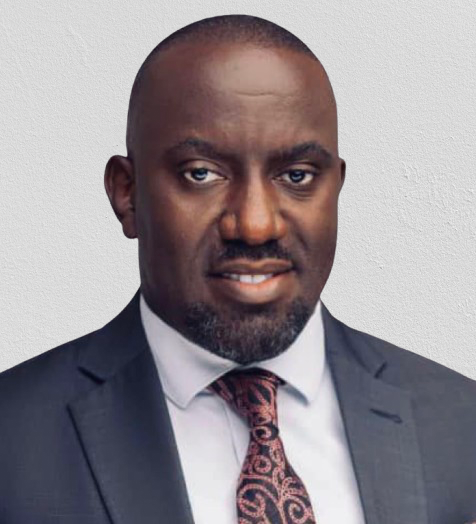
His persistence demonstrates a long-term commitment to serving in regional governance structures. Aspirants who have followed EALA processes over time often possess a deeper understanding of how the institution operates.
However, Ronald’s national political visibility remains relatively low. Without a strong national policy platform or clear regional achievements, he may face an uphill task convincing MPs that he is the strongest candidate available.
Kaaya Christine Nakimwero
Christine Nakimwero Kaaya enters the race as one of the female aspirants whose candidacy could contribute to gender balance in Uganda’s EALA delegation.
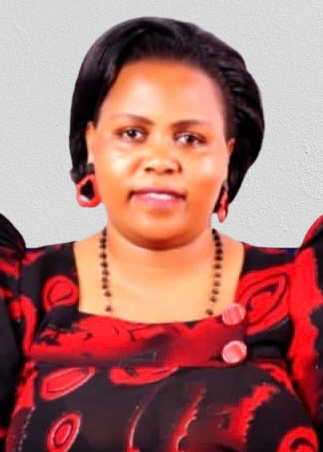
Gender representation has increasingly become a significant factor in regional governance structures. Female leaders have played important roles in advancing policies related to social protection, education, and inclusive economic growth across the East African Community.
However, like several candidates in the field, the extent of Kaaya’s involvement in regional policy advocacy or legislative experience remains unclear to the public.
Briton Tigah Kiwanuka
Briton Tigah Kiwanuka is viewed as a policy-oriented aspirant with potential strengths in governance and public affairs.

If backed by a strong intellectual and policy background, Kiwanuka could bring analytical depth to debates within the Assembly. EALA often requires members who can scrutinize regional treaties, financial protocols, and trade agreements.
His challenge will be building sufficient political support within Parliament, where elections are often influenced by party structures and alliances.
Chemowo Mashud Musa
Chemowo Mashud Musa represents another emerging name in the race. His candidacy could potentially strengthen regional diversity in Uganda’s representation.

While his supporters may highlight leadership qualities and community engagement, the broader public record regarding his regional policy engagement remains limited.
As with many other aspirants, his success may depend on how effectively he convinces Members of Parliament that he can represent Uganda’s interests in a complex regional legislative environment.
What Parliament Should Consider
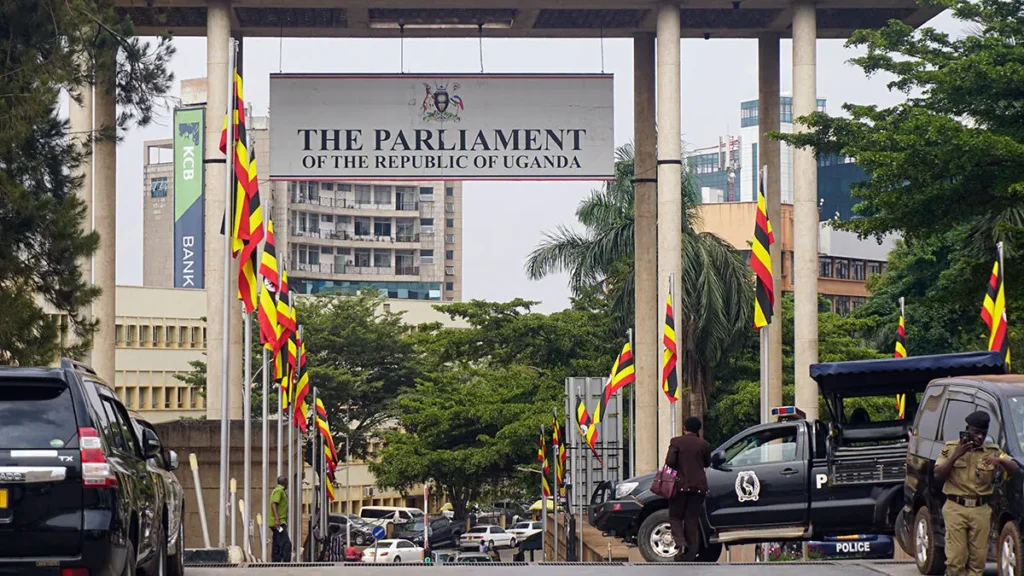
Uganda’s Parliament carries a heavy responsibility in electing EALA representatives. These individuals will shape laws affecting trade, infrastructure development, environmental protection, and economic integration across East Africa.
The ideal candidate should possess:
• Strong understanding of East African Community policies
• Experience in legislative debate and policymaking
• Diplomatic skills for regional negotiations
• Integrity and national credibility
• Commitment to advancing Uganda’s strategic interests
EALA should not be treated as a retirement destination for politicians or a reward for political loyalty. It is a strategic institution that requires capable legislators with regional vision.
Conclusion
The race for Uganda’s EALA seats for the 2027–2032 term is still evolving, and alliances within Parliament will ultimately determine the outcome. While several aspirants bring valuable strengths such as grassroots mobilization, youth leadership, or policy engagement, few have clearly demonstrated extensive experience in regional legislative affairs.
As the election approaches, Members of Parliament must prioritize competence, integrity, and regional expertise above political calculations. Uganda’s voice within the East African Community depends on the quality of individuals chosen to represent the nation.
The future of regional integration and Uganda’s role within it may well depend on the choices Parliament makes in this important election.