
As Uganda’s magnificent ruling party convenes its newly elected legislators at the National Leadership Institute (NALI) in Kyankwanzi, an event that has over the years become a defining feature of the post-election political calendar.
The Official Narrative: Orientation and Cohesion
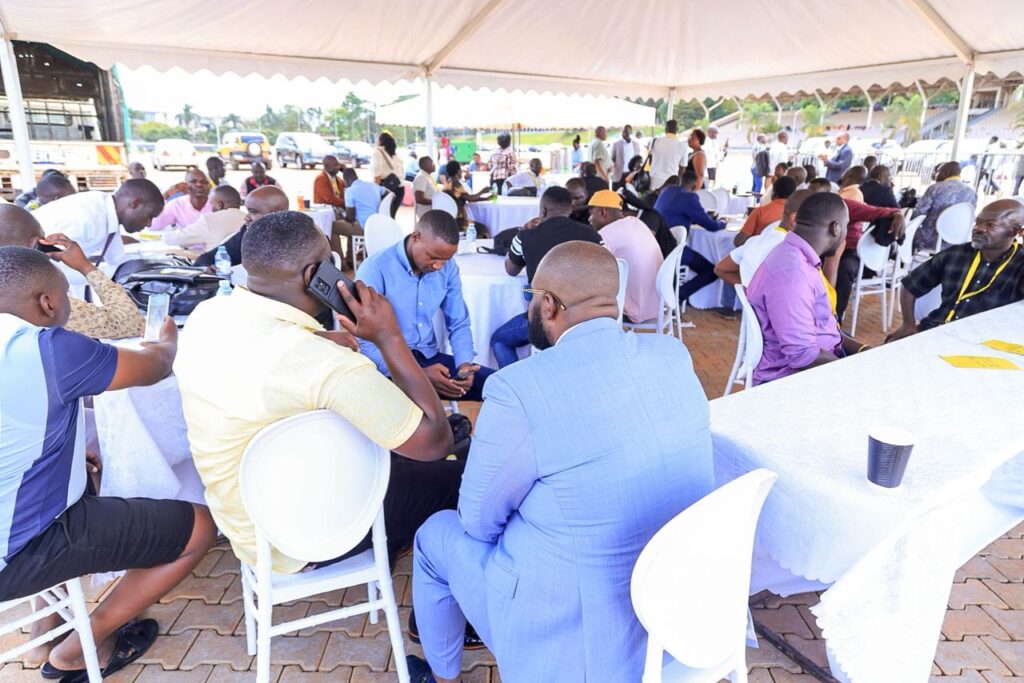
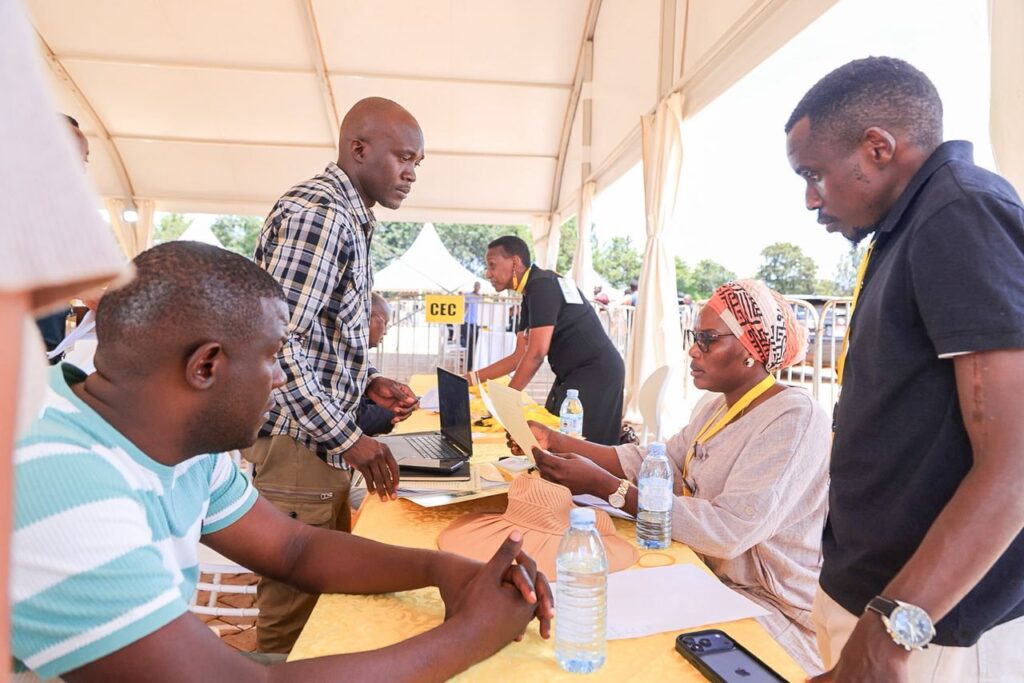
According to communications from the National Resistance Movement (NRM), the retreat follows a structured and administrative process that began with verification and accreditation at Kololo Ceremonial Grounds.
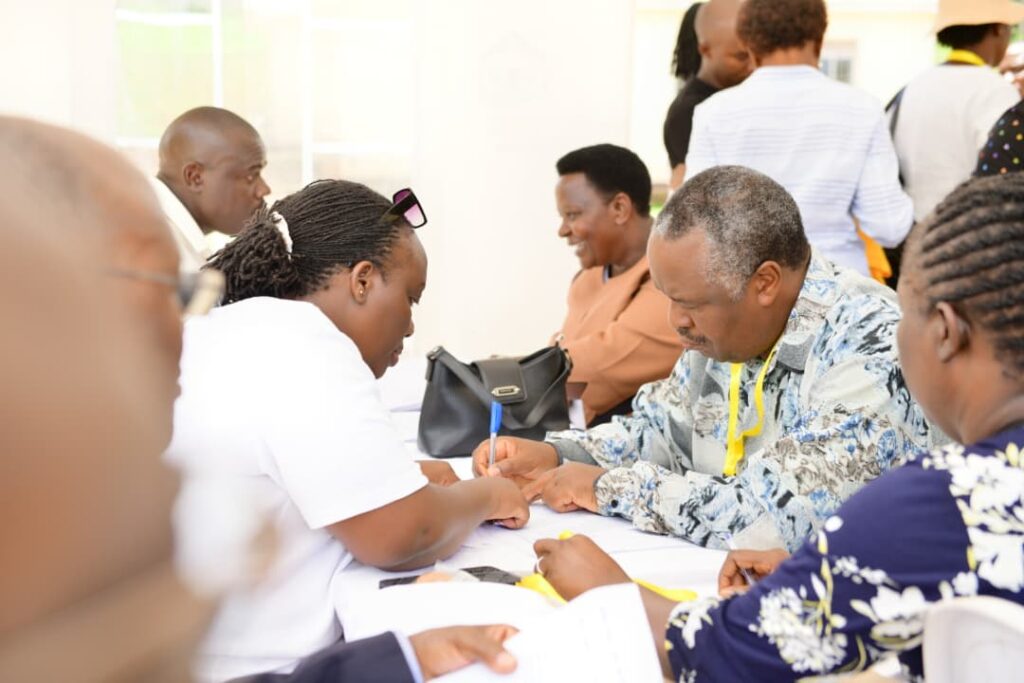
Newly elected Members of Parliament (MPs), including independents aligned with the ruling party, were required to present national identification and register with the party secretariat before proceeding to Kyankwanzi.
The stated purpose of the retreat includes:
- Orienting legislators on the party’s legislative agenda
- Aligning MPs with governance priorities
- Instilling party ideology
- Strengthening cohesion within the parliamentary caucus
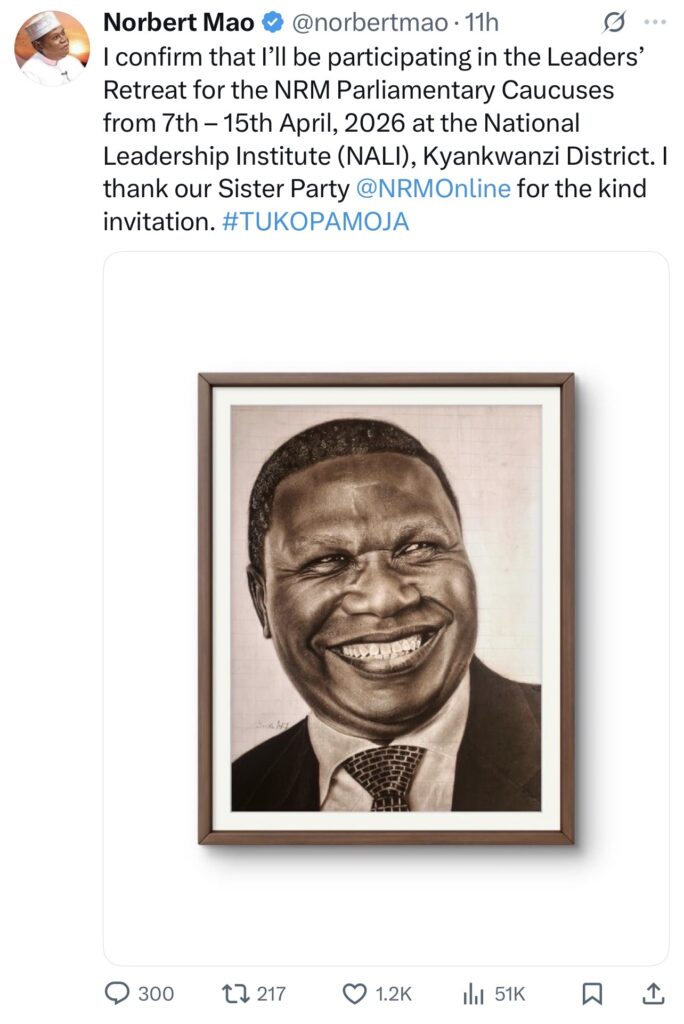
The participation of figures such as Hon.Norbert Mao, a traditional opposition leader signals an expanding political umbrella and a strategy of co-opting diverse actors into the NRM orbit.
Kyankwanzi: More Than a Venue
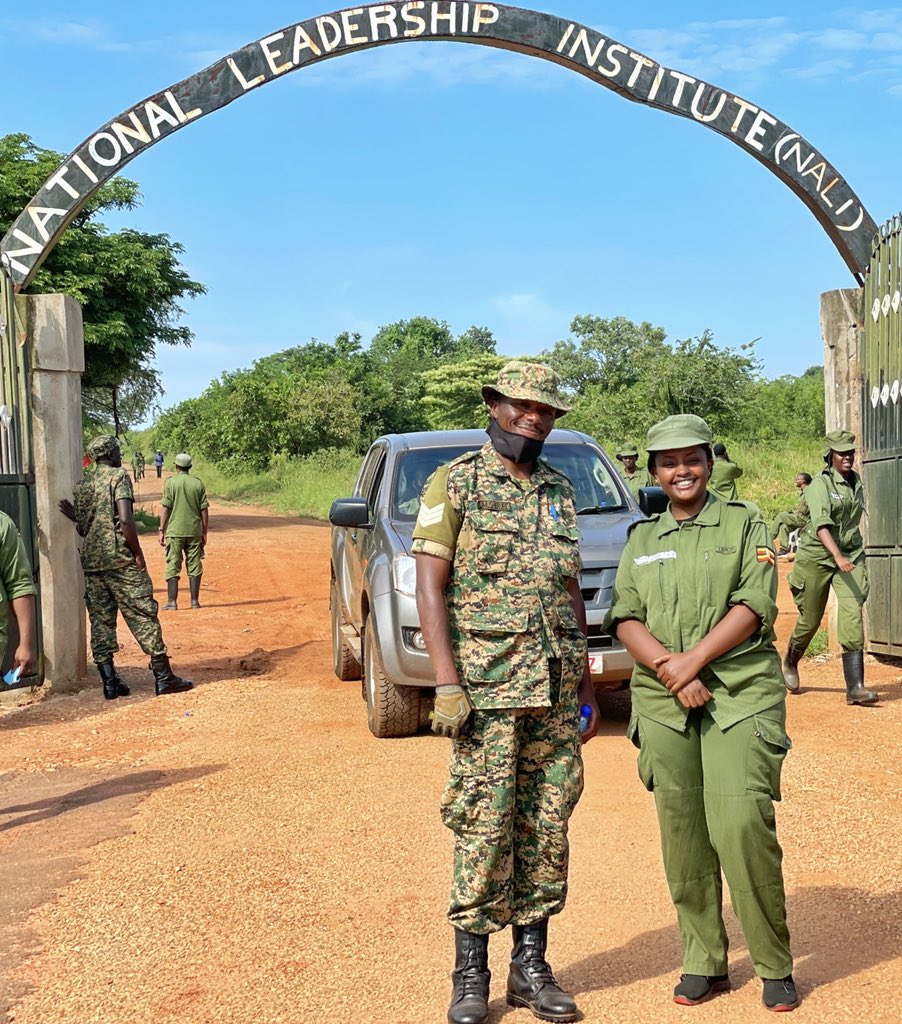
The choice of National Leadership Institute Kyankwanzi is far from incidental.
Kyankwanzi has long served as the ideological training ground of the NRM. It is where party cadres, youth leaders, and senior officials undergo political education rooted in the history and philosophy of the movement often tied to the legacy of Uganda’s liberation struggle.
This setting transforms the retreat from a simple workshop into something more symbolic: a controlled environment where political messaging is immersive, uninterrupted, and centralized.
Indoctrination vs Legitimate Party Discipline
Observers argue that the retreat borders on indoctrination. The emphasis on ideology, cohesion, and alignment suggests a system designed to minimize dissent within the ruling party’s parliamentary ranks.
From this perspective, Kyankwanzi serves three strategic functions:
- Message Control – MPs are briefed on the “correct” positions regarding national issues before parliamentary sessions begin.
- Loyalty Reinforcement – The retreat strengthens personal and political allegiance to the party and by extension, to the president.
- Legislative Coordination – It ensures that controversial bills or reforms face minimal resistance from within the ruling caucus.
However, defenders of the process argue that such retreats are standard in political systems worldwide. Party cohesion, they say, is essential for effective governance, especially in dominant-party systems.
Why the Intensive Process
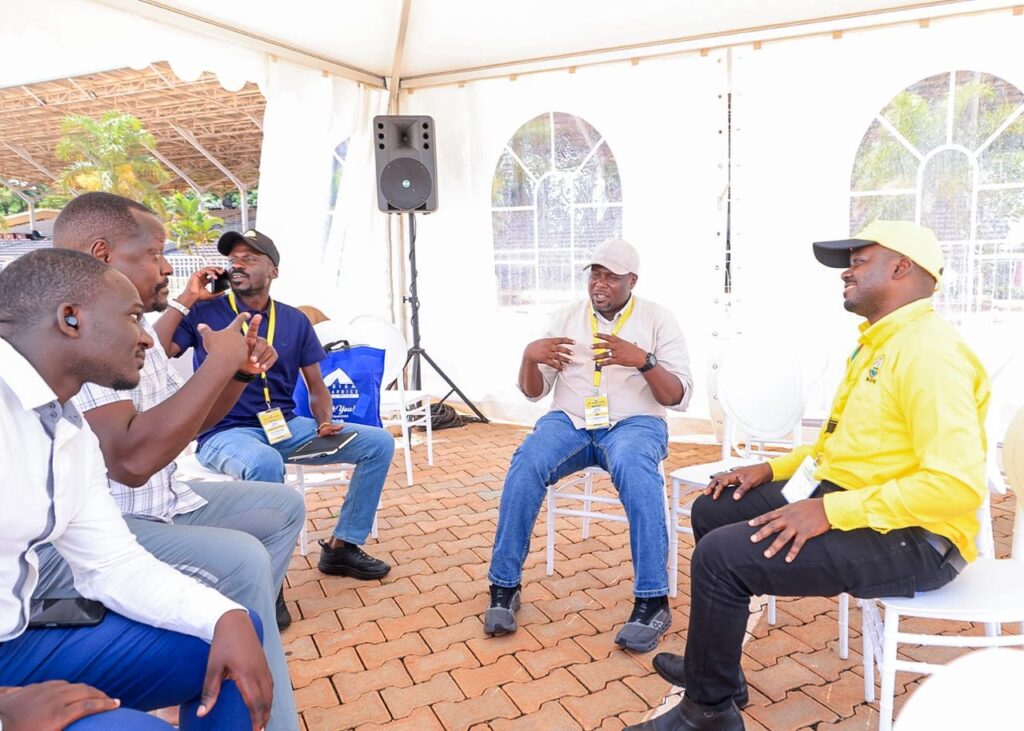
The rigor verification, centralized travel, residential retreat points to a deliberate effort to structure the behavior of MPs early in their term.
Unlike a decentralized induction, Kyankwanzi:
- Removes legislators from competing political influences
- Creates a shared identity among MPs
- Establishes hierarchy and authority within the caucus
In essence, it is less about information sharing and more about shaping political conduct.
The President’s Vision: Strategy and Statecraft
To understand Kyankwanzi, one must consider the political philosophy of President Yoweri Kaguta Museveni.
President Museveni has historically emphasized:
- Ideological clarity over political pluralism
- Centralized leadership within party structures
- Long-term stability through disciplined cadres
The retreat aligns closely with this approach. It reflects a belief that political fragmentation is a threat to national stability and that unity must be actively cultivated, even enforced.
There is also a pragmatic dimension. With a new parliamentary term comes the risk of internal divisions, especially as new MPs bring independent ambitions. Kyankwanzi acts as a preemptive mechanism to harmonize these interests.
A Broader Political Signal
The inclusion of NRM-leaning independents and even opposition-linked figures suggests a broader strategy: political absorption rather than confrontation.
By drawing a wide spectrum of leaders into its ideological and operational framework, the NRM reduces the space for organized opposition while maintaining the appearance of inclusivity.
The Kyankwanzi retreat is neither purely administrative nor purely ideological, “it is a hybrid instrument of governance”
It functions as:
- A training ground
- A loyalty test
- A coordination hub
- And a subtle mechanism of political control
Whether one calls it indoctrination or disciplined governance depends largely on perspective. But what is clear is that Kyankwanzi remains central to how the NRM reproduces its power by shaping not just policies, but the minds and alignments of those tasked with implementing them.

In the end, the “real logic” of Kyankwanzi may lie in its simplicity: “control the narrative early, unify the actors, and the system governs itself”