
Many Ugandans who yearn for political change often imagine a “New Uganda” as a complete rupture from the past, a clean break in which the old order disappears overnight and an entirely fresh leadership takes over.
It is an emotionally appealing vision. In societies that have endured decades of one dominant political force, the desire for total renewal is understandable.
However, history suggests that transitions are rarely that simple.
In modern politics, particularly in states with deeply entrenched institutions, security structures, and long-standing networks of power, abrupt revolutions are not only difficult — they are often destabilizing. Sustainable political change tends to occur gradually, and more often than not, it emerges from within the system itself.
This is not unique to Uganda.
Zimbabwe’s transition away from Robert Mugabe did not come through an outsider electoral wave. It came through insiders who understood the state machinery and could manage continuity. Egypt’s revolution, while dramatic, quickly revealed how systems can reassert themselves when transition lacks internal anchors. Sudan’s painful experience reminds us that unstable transitions can lead to prolonged national tragedy.
Uganda must therefore confront a sobering truth: the country’s next political chapter is unlikely to be written through sudden rupture, but through cumulative evolution.
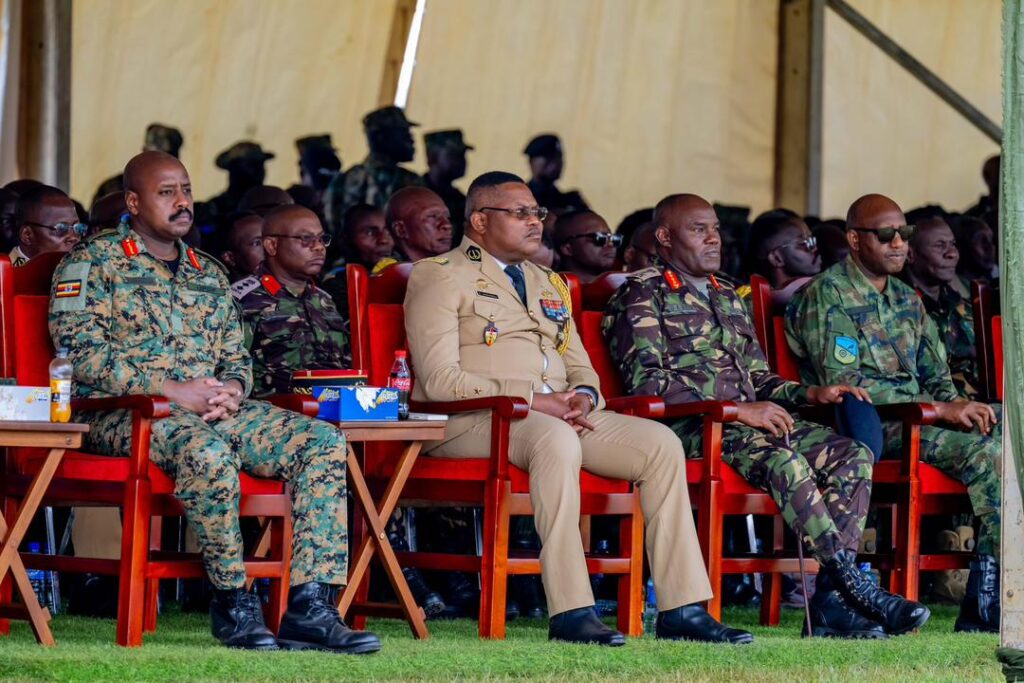
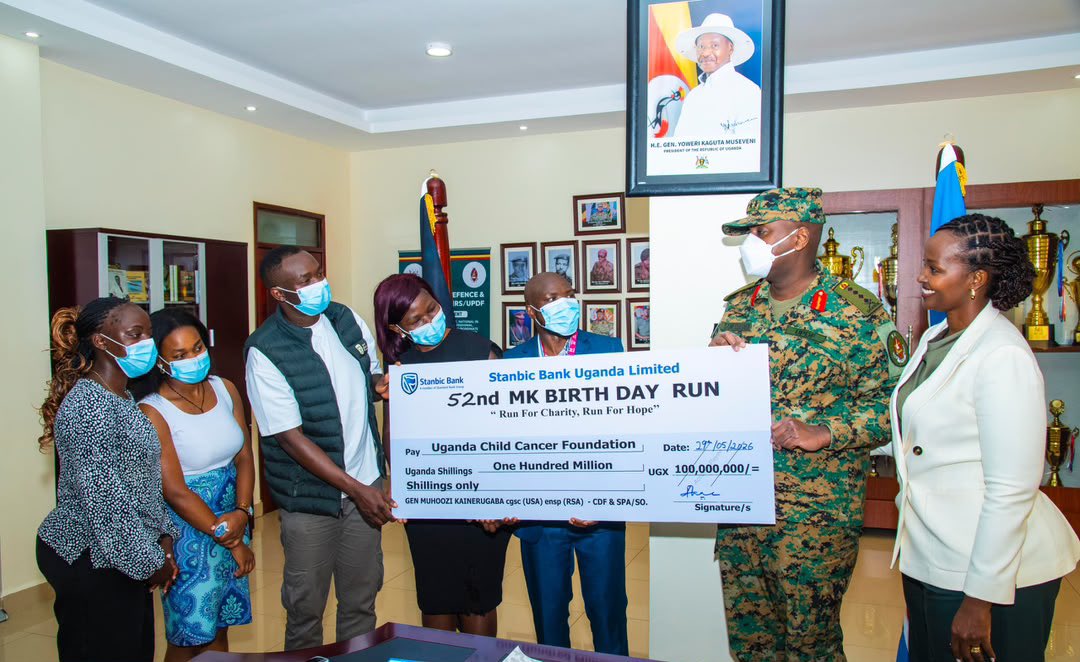
It is within this context that Gen. Muhoozi Kainerugaba and the Patriotic League of Uganda (PLU) have become an important subject of national discussion.
To some, Gen.Muhoozi’s rise is interpreted purely through the lens of succession politics. But to others, it represents something broader: a generational shift within the existing order, a possible bridge between the liberation-era establishment and a younger, modernizing Uganda.
PLU’s messaging, centered on wealth creation, youth mobilization, and national modernization, speaks to a growing constituency of young Ugandans who are less interested in endless political confrontation and more concerned with opportunity, economic inclusion, and the future.
One may debate PLU’s long-term trajectory, but it is difficult to dismiss the political reality it represents: Uganda’s transition, if it is to remain peaceful and stable, will likely require actors who can manage continuity while opening space for gradual reform.
None of this diminishes the role of opposition forces. Opposition politics has played an important part in checking excesses, shaping debate, and preventing deeper authoritarian drift. Yet opposition alone may not deliver the kind of complete overhaul that some supporters imagine.
The modern political order both domestically and internationally is structured in ways that reward stability over rupture, gradualism over revolution.
Uganda therefore faces a choice: to cling to romantic expectations of instant transformation, or to prepare for the more realistic path of managed transition.
If the future is to be secured without chaos, then the forces of generational change within the system including Gen Muhoozi and PLU may prove central to the country’s next phase.
History rarely delivers perfect change. It delivers possible change.
And Uganda’s transition, painfully, will likely come from within.