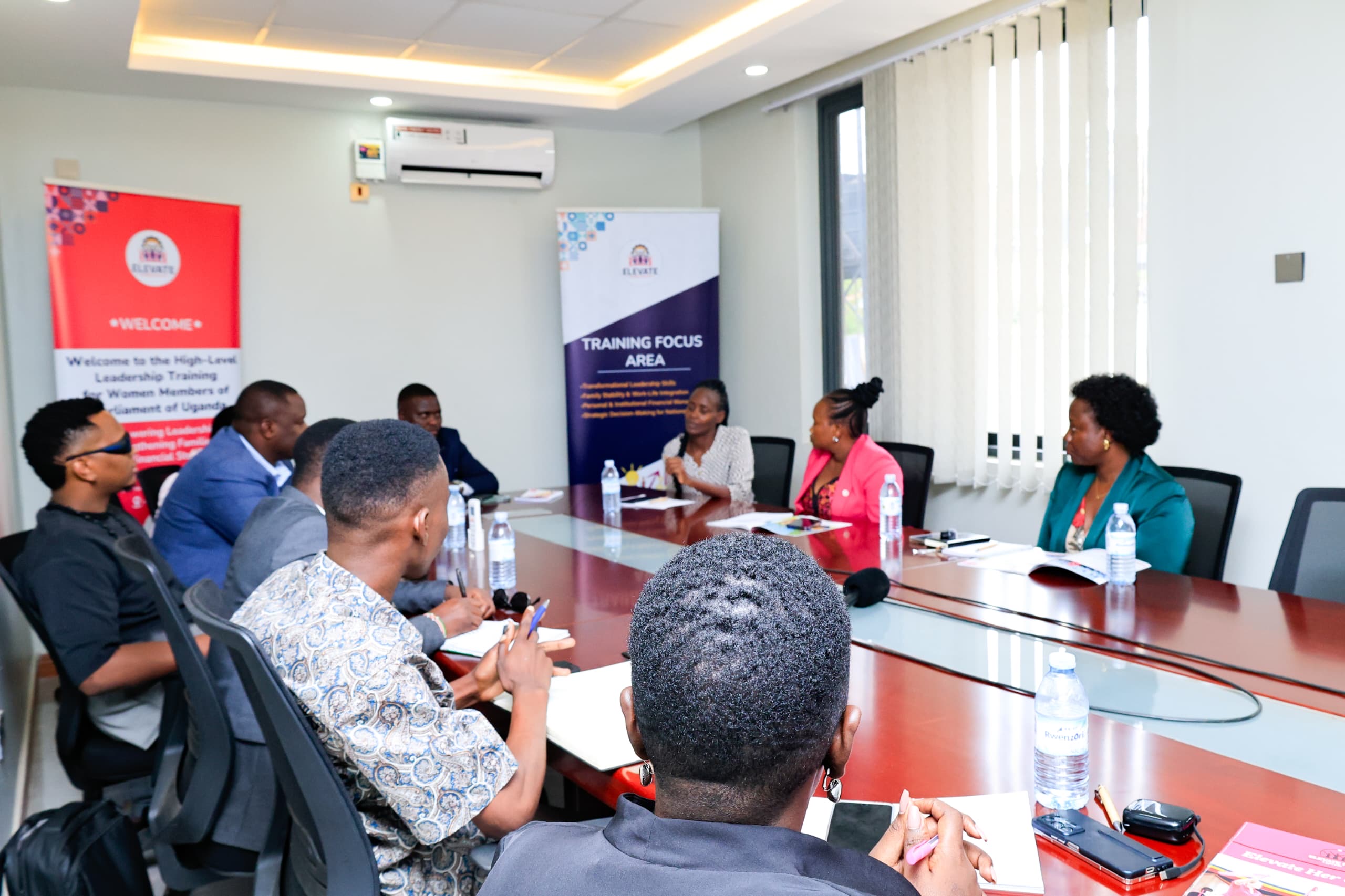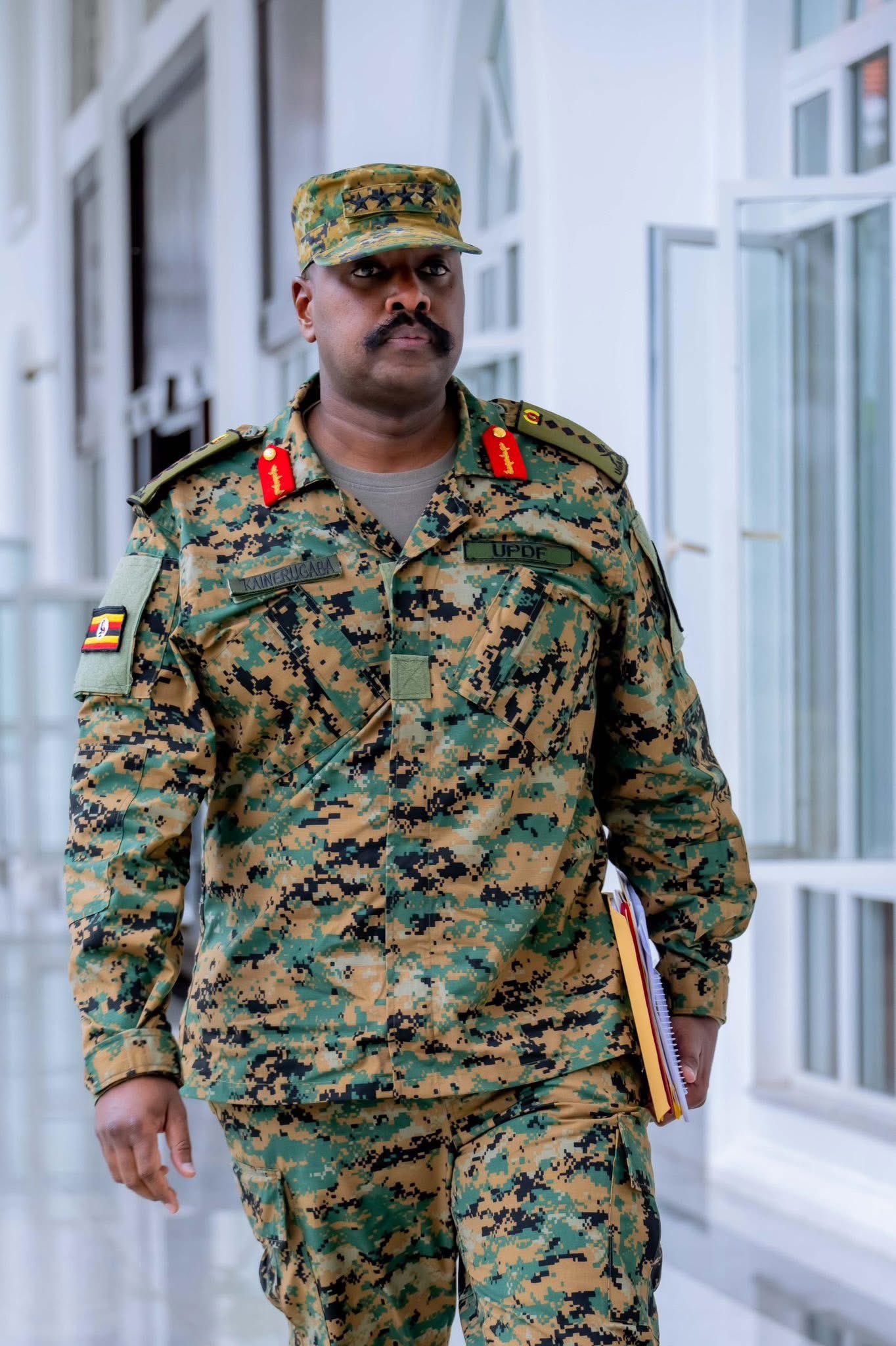

A subtle but politically weighty realignment is quietly taking shape in Uganda’s Parliament, following the decision by nine newly elected independent-leaning Members of Parliament to seek cooperation with the ruling National Resistance Movement.
While the meeting was framed as an act of unity and collaboration, KMS Media Network understands that the development reflects a deeper political strategy: the early consolidation of parliamentary control ahead of the Speaker’s 2026 electoral cycle.
•Parliament has 67 independent MPs
•54 of them participated in NRM primaries.
This reality confirms that independents are not necessarily opposition, they are often politically adjacent actors who represent internal fractures within the ruling movement. As Counsel Enoch Barata, clarified that these MPs are not defecting but entering cooperation agreements through Memoranda of Understanding (MOUs). This is a critical distinction.
Rather than demanding formal party allegiance, NRM is deploying a softer mechanism: structured cooperation without official absorption.
In practice, such MOUs may translate into:
•Support for NRM caucus resolutions
•Voting alignment on key legislation
•Participation in government policy priorities
•Reinforced parliamentary predictability
This is coalition-building within a dominant-party framework designed to expand control without triggering the political costs of open defections.
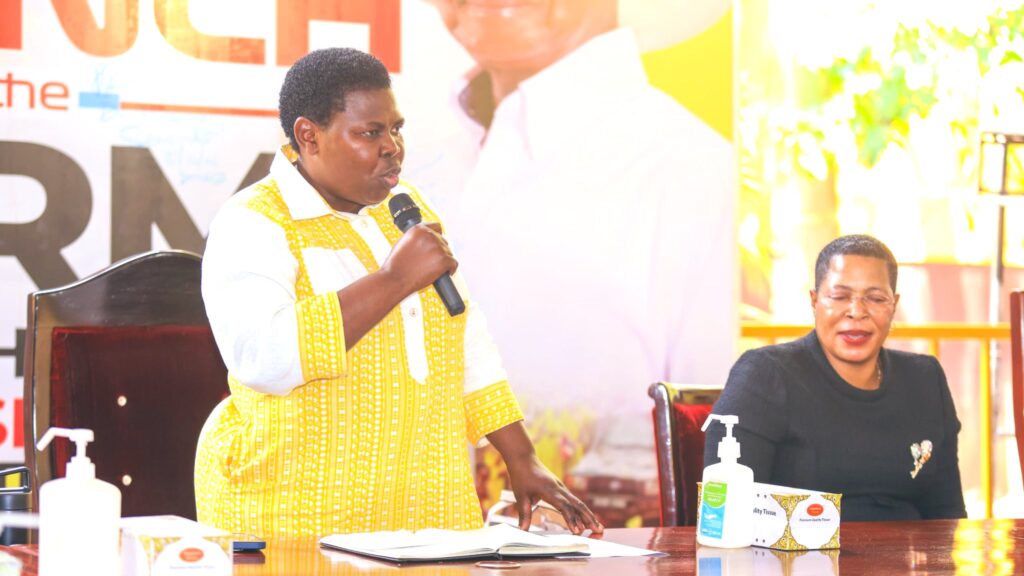
The attendance of the Speaker herself, Rt. Hon. Anita Annet Among signals that this is not an ordinary party outreach effort but part of a broader parliamentary engineering process intended to stabilize numbers and discipline early. Although these MPs are newly elected, the conversation already points toward the next political horizon.
For independent MPs, cooperation is also practical. Operating outside the ruling party structure comes with institutional disadvantages:
•Limited caucus protection
•Reduced leverage in committee assignments
•Difficulty accessing state-driven development programs
•Isolation in a Parliament dominated by NRM numbers
Cooperation becomes less about ideology and more about political survival and constituency delivery. In Uganda’s governance culture, MPs are often judged not by speeches but by tangible outcomes: roads, schools, health facilities, and government programs. Alignment with the ruling majority becomes a pathway to influence. The ruling party’s approach reflects strategic maturity.
NRM does not necessarily need these MPs to formally cross over.
By institutionalizing cooperation, the party gains:
•Votes without defections
•Stability without internal primaries backlash
•Control without costly political battles
•Broader legitimacy in Parliament
This is dominance through integration, not confrontation.Uganda’s Parliament is not merely a legislative chamber, it is a battleground of alliances, numbers, and strategic positioning.
The MOU also allow independents to remain influential in a Parliament dominated by the ruling party, while strengthening NRM’s working majority ahead of the new term.